
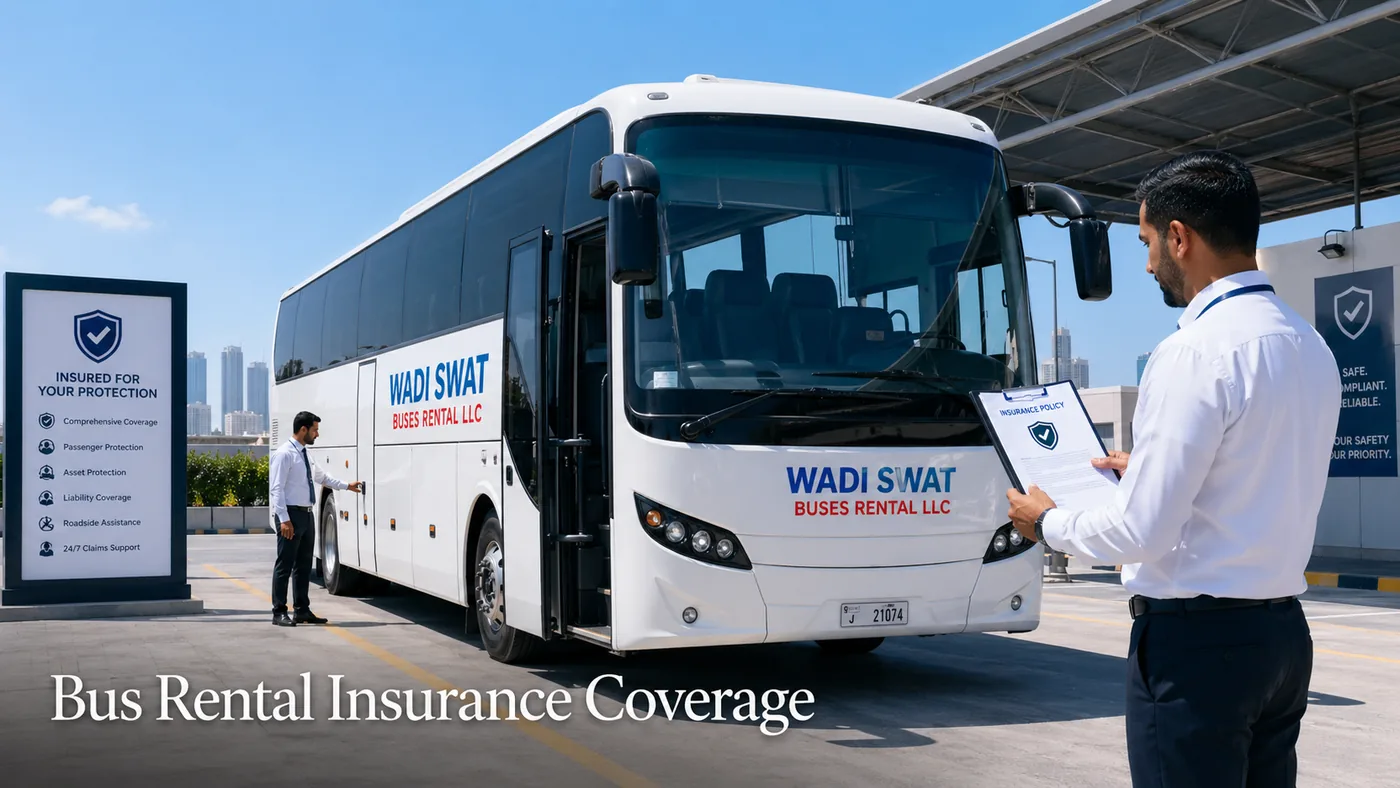
What the Standard Covers — Insurance Coverage
Responsibility is practical rather than symbolic: the operator provides available evidence for the confirmed service; the customer reviews contractual needs and avoids assuming coverage beyond the actual policy wording. This allocation helps the service start with accurate locations, timings and passenger needs, while keeping vehicle, driver and dispatch decisions within the operator's controlled process. For Insurance Coverage, this point is applied to policy evidence, vehicle association, validity dates, declared use, incident notification and the boundaries stated in the applicable documents and recorded within review stage 1.3 for the confirmed assignment.
Applicable operations — Insurance Coverage
A useful definition separates the standard, the evidence and the operating action. The standard explains what should be controlled; the evidence shows what was recorded; and the action is what the team actually does before, during or after service. Confusing those three layers can lead to treating a marketing statement as policy wording, relying on expired evidence or assuming every loss, passenger or activity is covered. For Insurance Coverage, this point is applied to policy evidence, vehicle association, validity dates, declared use, incident notification and the boundaries stated in the applicable documents and recorded within review stage 1.4 for the confirmed assignment.