Bus and Van Fleet UAE
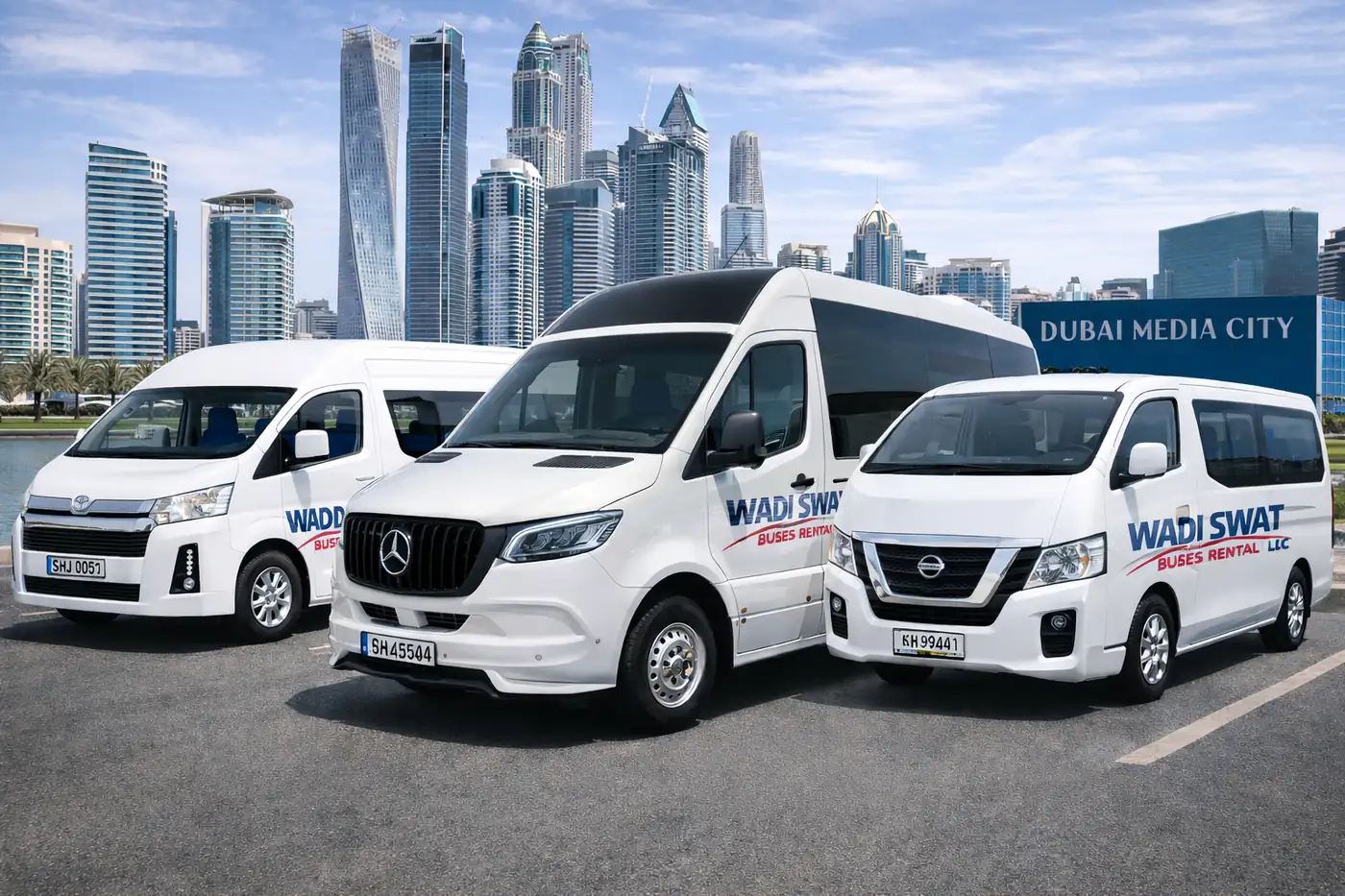
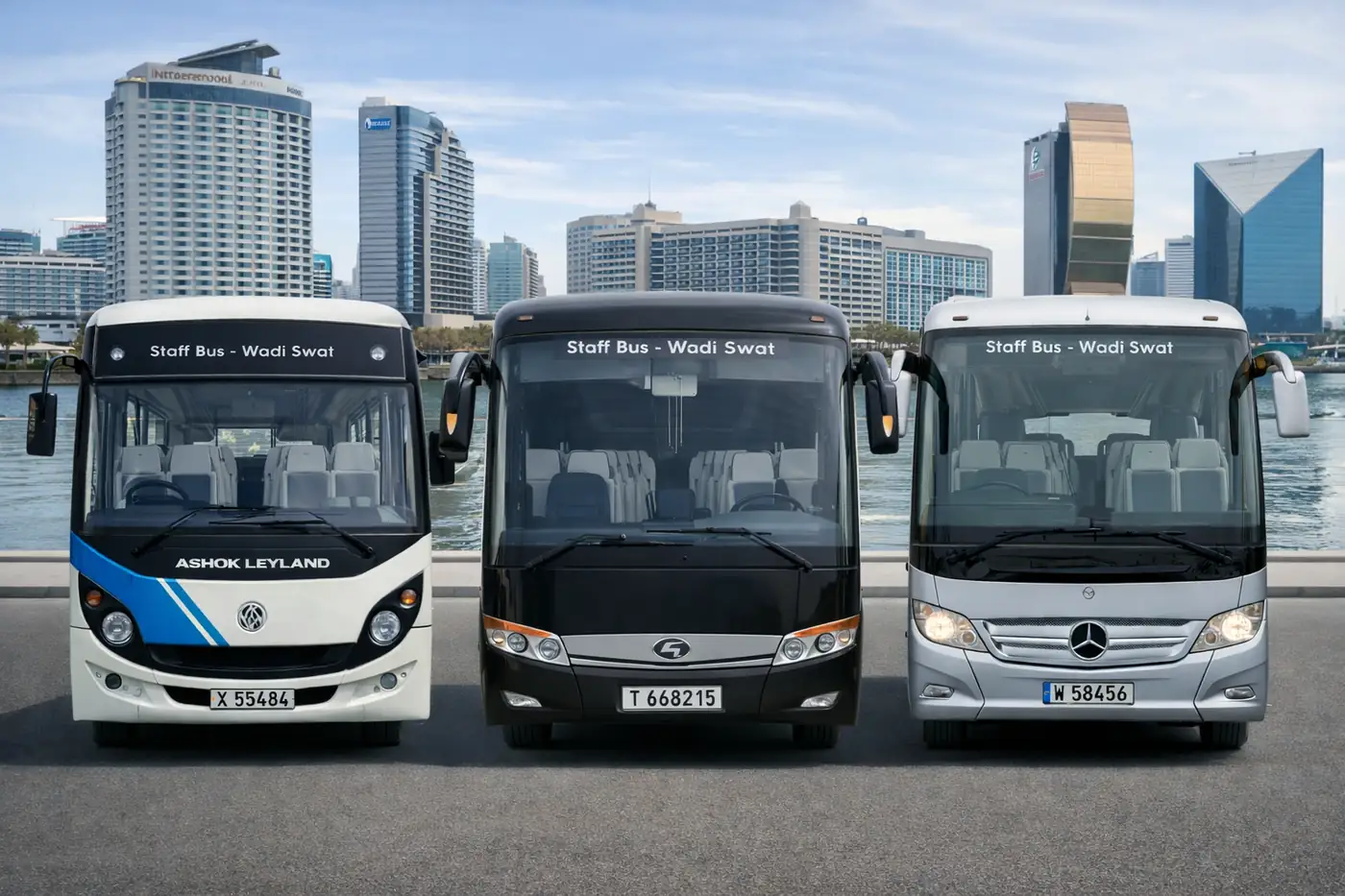
The SWAT Transport fleet page organises vans, minibuses, staff buses and luxury coaches by practical passenger capacity and operating use.
Vehicle selection should consider usable seats, luggage, accessibility, journey length, comfort expectations, road access and the service schedule—not only the model name or nominal capacity.
Specific make, model, year and availability must be confirmed in the written quotation or booking record for the actual duty.
Vans
Smaller groups, executive movement and flexible access.
Minibuses
Medium groups, staff routes and organised transfers.
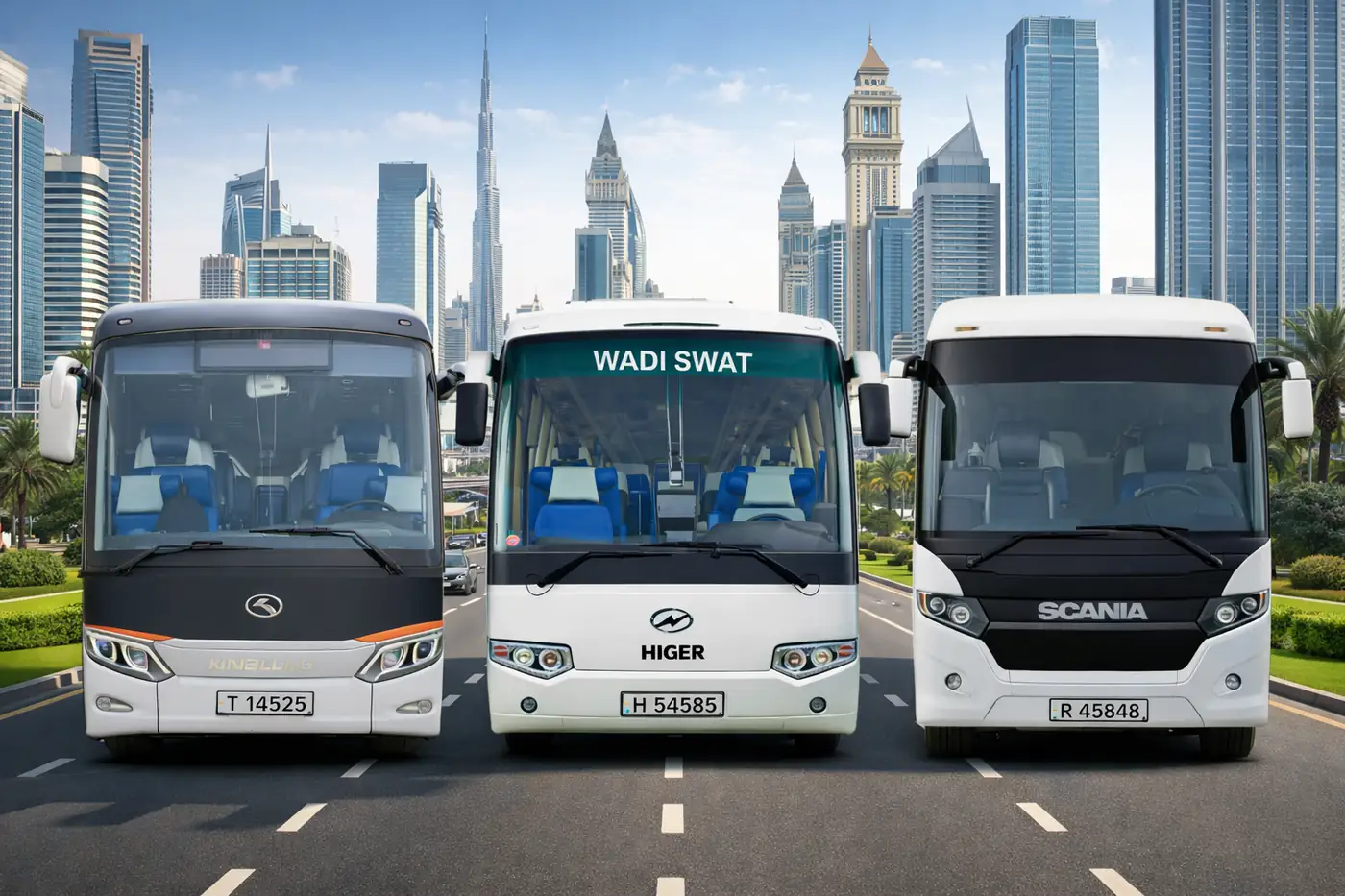
Staff Buses
Higher-capacity workforce and shift transportation.
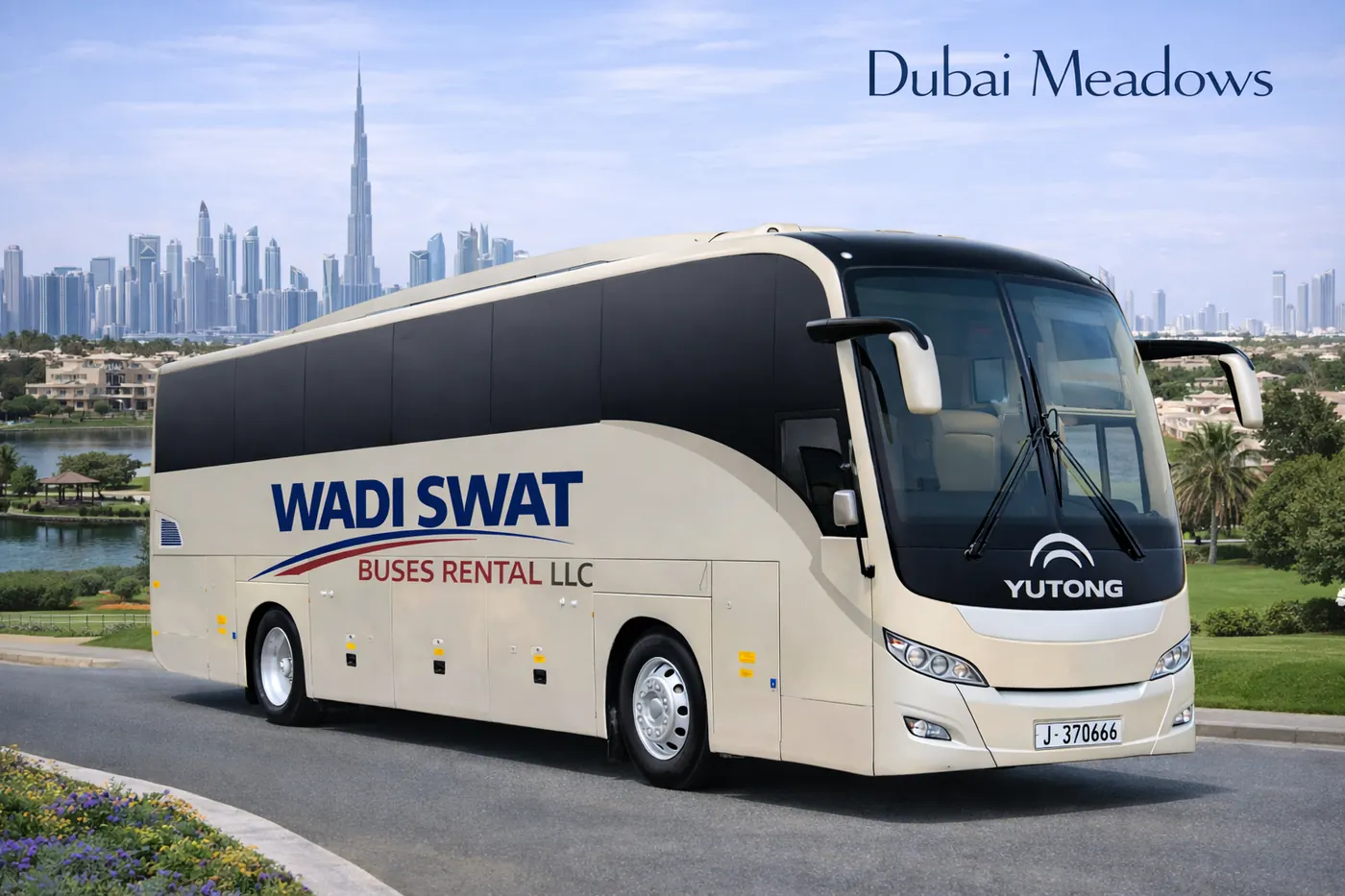
Luxury Coaches
Longer journeys, events, tours and premium group movement.
Fleet Categories by Passenger Capacity
Fleet categories are arranged by usable capacity and duty type so customers can begin with the correct vehicle class. The section defines the page purpose and separates confirmed information from details that require route-specific verification.
Vans and Minibuses — Fleet
Small and medium groups
Vans and Minibuses — Fleet is assessed through small and medium groups. The relevant facts should be specific, current and supported by the approved service scope or company record.
Staff Buses and Luxury Coaches
Large groups and longer duties — Fleet
Staff Buses and Luxury Coaches addresses large groups and longer duties — fleet. Any item that depends on availability, route conditions, permits, price or third-party approval must be confirmed before commitment.
Review Wadi Swat Buses Rental LLC where the requirement extends into this closely related service.
Review Client Reviews and Feedback where the requirement extends into this closely related service.
Review Transport Services Dubai where the requirement extends into this closely related service.
Compare Seating, Luggage and Access
Passenger and luggage totals, pickup access, comfort level and trip duration determine whether a van, minibus, staff bus or coach is suitable. The decision should reflect the passenger group, operating environment and the practical result the customer needs.
Registered Capacity and Usable Space
Passenger and baggage planning
Registered Capacity and Usable Space is assessed through passenger and baggage planning. The relevant facts should be specific, current and supported by the approved service scope or company record.
Boarding, Height and Route Access
Practical vehicle fit
Boarding, Height and Route Access addresses practical vehicle fit. Any item that depends on availability, route conditions, permits, price or third-party approval must be confirmed before commitment.
Compare Tourism Bus Fleet for Group Travel when passenger capacity, luggage, comfort or route access affects the vehicle choice.
Vehicles for Different Transport Services
Maintenance, inspection, cleanliness, driver allocation and replacement planning support service continuity across recurring and one-time duties. Clear responsibilities, current evidence and written change control reduce avoidable operating risk.
Staff, Labour and Contract Routes — Fleet
Recurring operations — Fleet
Staff, Labour and Contract Routes — Fleet is assessed through recurring operations — fleet. The relevant facts should be specific, current and supported by the approved service scope or company record.
Airport, Hotel, Event and Tour Duties
One-time and scheduled movement
Airport, Hotel, Event and Tour Duties addresses one-time and scheduled movement. Any item that depends on availability, route conditions, permits, price or third-party approval must be confirmed before commitment.
Vehicle Standards and Availability
Vehicle features vary by unit and category, so air-conditioning, luggage space, seat configuration and accessibility should be confirmed for the proposed vehicle. The service should be compared on suitability, documentation and continuity as well as commercial cost.
Air Conditioning, Comfort and Safety
Feature checks
Air Conditioning, Comfort and Safety is assessed through feature checks. The relevant facts should be specific, current and supported by the approved service scope or company record.
Model Availability and Equivalent Substitution — Fleet
Written confirmation
Model Availability and Equivalent Substitution — Fleet addresses written confirmation. Any item that depends on availability, route conditions, permits, price or third-party approval must be confirmed before commitment.
Select a Vehicle and Request a Quote
A final fleet recommendation is issued only after the complete route and operating schedule have been reviewed. The final action is to provide complete information and obtain a written record that matches the actual requirement.
Details Needed for Vehicle Matching
Passengers, route and duration
Details Needed for Vehicle Matching is assessed through passengers, route and duration. The relevant facts should be specific, current and supported by the approved service scope or company record.
Commercial Inclusions and Mileage
Quotation basis
Commercial Inclusions and Mileage addresses quotation basis. Any item that depends on availability, route conditions, permits, price or third-party approval must be confirmed before commitment.
Use Passenger Transport Companies in Sharjah for the related requirements, planning checks or customer guidance.
Answers are based on the planned page scope; route-specific and commercial details still require written confirmation.
What information is available on the Fleet page?
Fleet categories are arranged by usable capacity and duty type so customers can begin with the correct vehicle class. Answer the exact utility purpose of the page. Tailor the answer specifically to Fleet. Confirm route-dependent facts, availability, price and responsibilities in the current written quotation or approved company record.
How does this page help with transport planning for Fleet?
Passenger and luggage totals, pickup access, comfort level and trip duration determine whether a van, minibus, staff bus or coach is suitable. Connect the page to a real reader decision. Tailor the answer specifically to Fleet. Confirm route-dependent facts, availability, price and responsibilities in the current written quotation or approved company record.
Where can a reader request further information for Fleet?
Maintenance, inspection, cleanliness, driver allocation and replacement planning support service continuity across recurring and one-time duties. Point to the approved contact or quotation process. Tailor the answer specifically to Fleet. Confirm route-dependent facts, availability, price and responsibilities in the current written quotation or approved company record.
Use these planned links to continue to the correct service, fleet, area, guide or trust page.