1. Home
  2. Compliance
  3. Passenger Transport Safety Standards
🛡️ Trust & Compliance Standard

Safety Standards

A practical guide to a practical safety-control system from planning through passenger drop-off, with clear responsibility, evidence, response and review controls without unsupported claims.

📋 pre-trip readiness, driver duty, route review, boarding, seating, luggage, communication and incident response🔎 inspection records, driver assignment, route brief, passenger instructions and any incident or corrective-action record🚦 stabilise the situation, move passengers away from immediate danger where appropriate, communicate facts and follow the approved escalation route
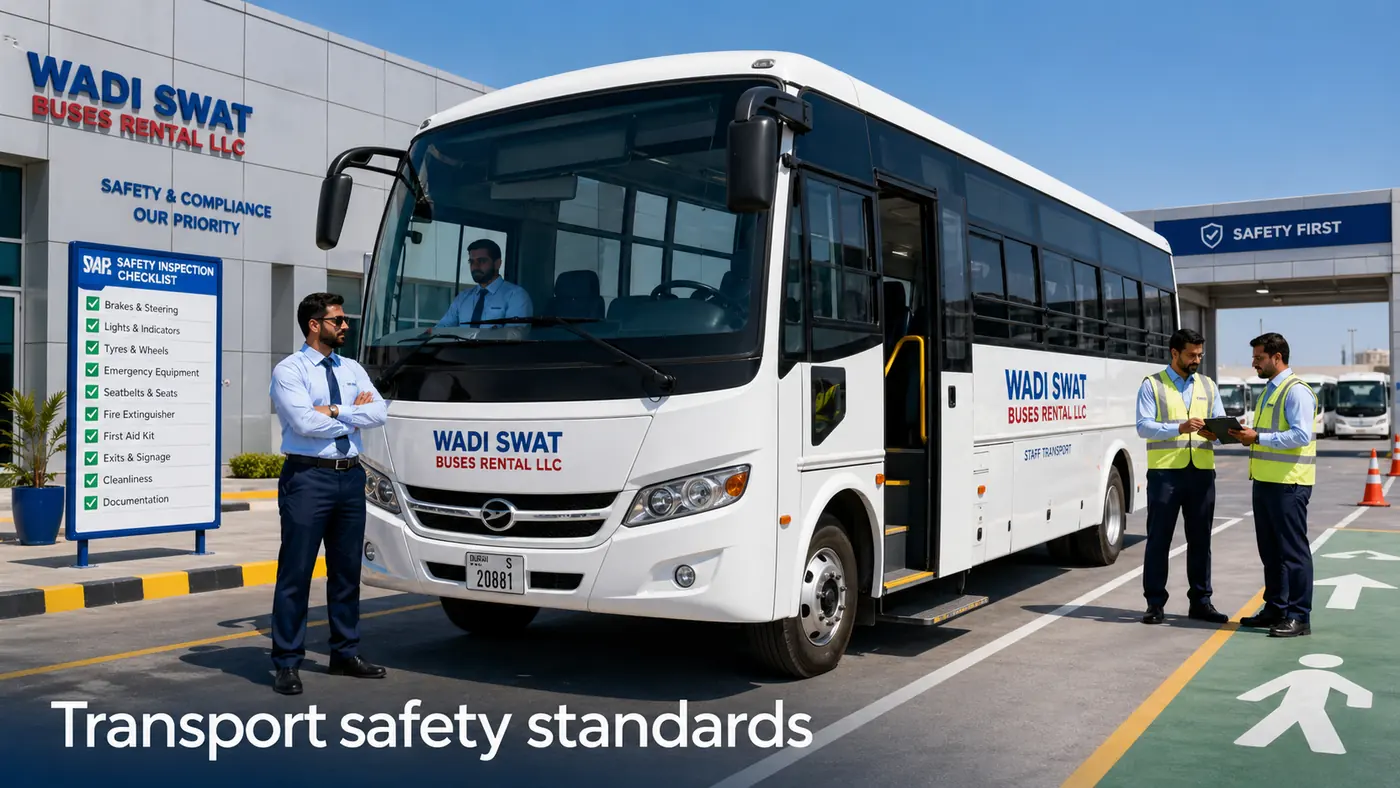
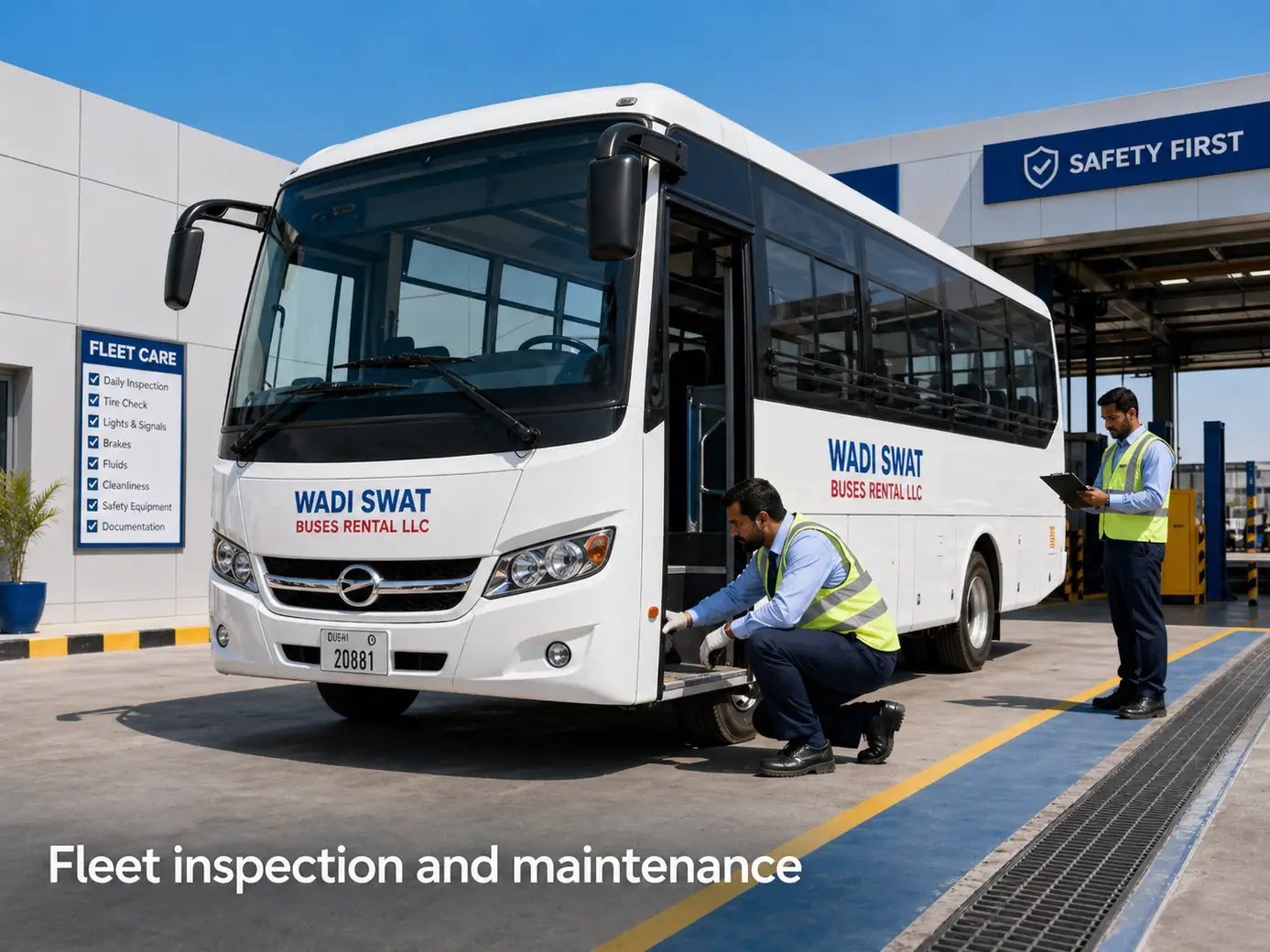
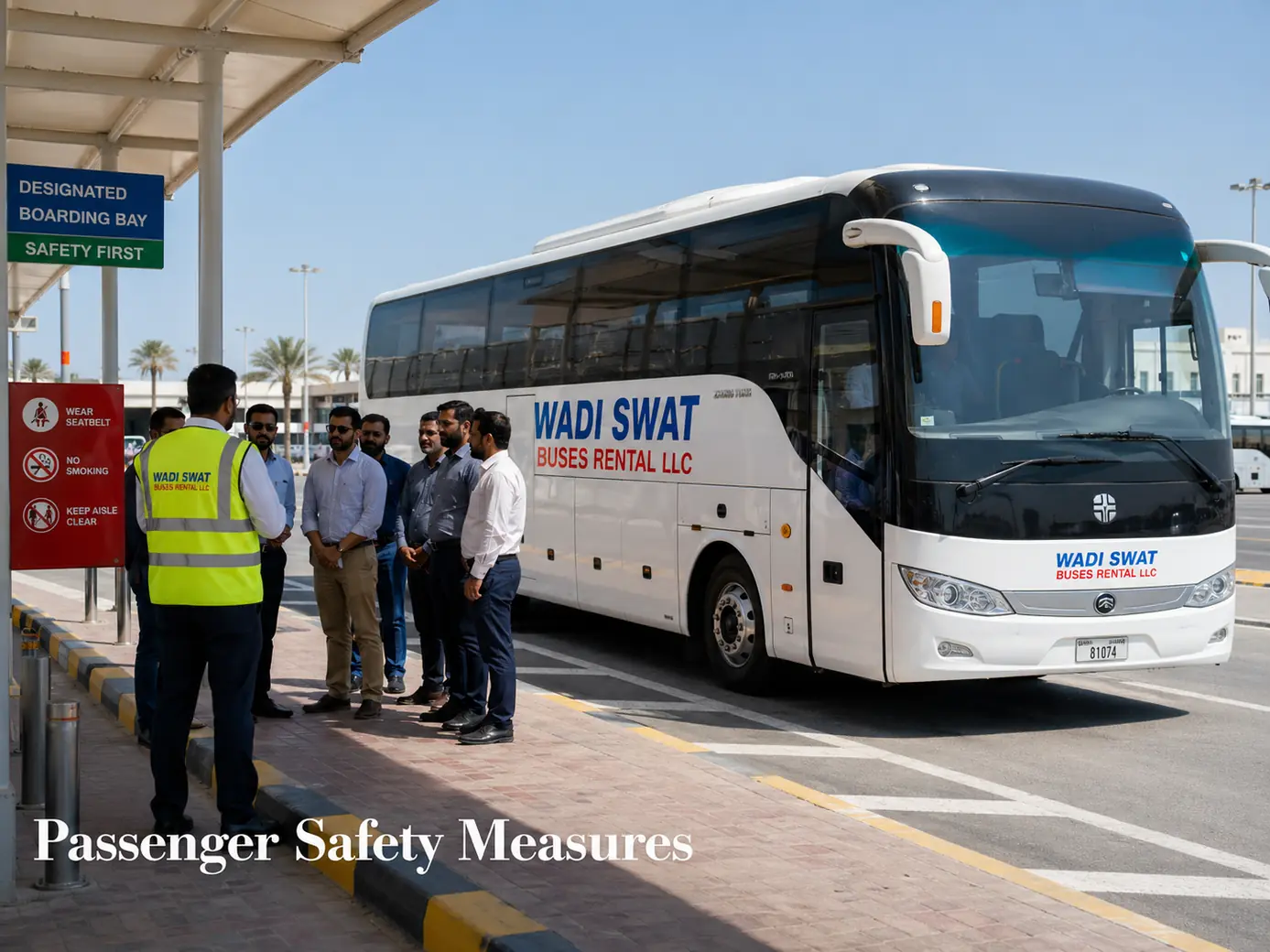
Safety Standards control and passenger-transport operations visual
🛡️ a practical safety-control system from planning through passenger drop-off
Control statusDocumented and reviewable
Operating scopepre-trip readiness, driver duty, route review, boarding, seating, luggage, communication and incident response
Responsibilityoperations confirms the vehicle and duty plan, the driver follows the confirmed instructions, and the customer manages passenger information and site rules
Evidence focusinspection records, driver assignment, route brief, passenger instructions and any incident or corrective-action record
Review triggerreview after any material incident, route change, vehicle change or recurring observation
🛡️ Scope registerTrust

Passenger Transport Safety Standards: Standard and Scope

Safety Standards is presented as a practical safety-control system from planning through passenger drop-off. Its purpose is to make the service boundary understandable before a booking, tender response or operating instruction is accepted. The standard is relevant to service buyers, route coordinators, drivers and passengers who need safe behaviour and operational checks to work together, because safe and reliable transport depends on shared information rather than one party working from assumptions. For Safety Standards, this point is applied to pre-trip readiness, driver duty, route review, boarding, seating, luggage, communication and incident response and recorded within review stage 1.1 for the confirmed assignment.

The applicable scope includes pre-trip readiness, driver duty, route review, boarding, seating, luggage, communication and incident response. Not every control is identical for every route, vehicle or passenger group, so the confirmed service brief, contract and current supporting records remain important. The page avoids claiming that one general statement can prove compliance for every operating situation. For Safety Standards, this point is applied to pre-trip readiness, driver duty, route review, boarding, seating, luggage, communication and incident response and recorded within review stage 1.2 for the confirmed assignment.

RequirementEvidenceDecisionFollow-up
1.1

What the Standard Covers — Safety Standards

Responsibility is practical rather than symbolic: operations confirms the vehicle and duty plan, the driver follows the confirmed instructions, and the customer manages passenger information and site rules. This allocation helps the service start with accurate locations, timings and passenger needs, while keeping vehicle, driver and dispatch decisions within the operator's controlled process. For Safety Standards, this point is applied to pre-trip readiness, driver duty, route review, boarding, seating, luggage, communication and incident response and recorded within review stage 1.3 for the confirmed assignment.

Applicable operations — Safety Standards

A useful definition separates the standard, the evidence and the operating action. The standard explains what should be controlled; the evidence shows what was recorded; and the action is what the team actually does before, during or after service. Confusing those three layers can lead to rushed dispatch, unsafe boarding, unmanaged luggage, unapproved route changes and delayed escalation. For Safety Standards, this point is applied to pre-trip readiness, driver duty, route review, boarding, seating, luggage, communication and incident response and recorded within review stage 1.4 for the confirmed assignment.

1.2

Who Is Responsible — Safety Standards

The standard applies to the confirmed passenger-transport operation, not to unrelated activities or unsupported promises. Where a customer, venue, insurer or authority has a separate requirement, that requirement must be identified and reviewed against the actual assignment rather than silently added to a generic checklist. For Safety Standards, this point is applied to pre-trip readiness, driver duty, route review, boarding, seating, luggage, communication and incident response and recorded within review stage 1.5 for the confirmed assignment.

Operator and customer roles — Safety Standards

For procurement and operations, the first control is a complete brief. It should state service dates, vehicle category, route, passenger profile, access conditions and the evidence needed for approval. That brief gives Safety Standards a measurable context and prevents late questions from being treated as last-minute emergencies. For Safety Standards, this point is applied to pre-trip readiness, driver duty, route review, boarding, seating, luggage, communication and incident response and recorded within review stage 1.6 for the confirmed assignment.

📋 Evidence controlsBooking Policy

Required Documents and Controls — Safety Standards

The evidence register for Safety Standards should contain only records relevant to the assignment. Typical evidence is inspection records, driver assignment, route brief, passenger instructions and any incident or corrective-action record. Records need a clear owner, date and relationship to the vehicle, driver, route or contract; an undated screenshot or unrelated document does not establish the required position. For Safety Standards, this point is applied to pre-trip readiness, driver duty, route review, boarding, seating, luggage, communication and incident response and recorded within review stage 2.1 for the confirmed assignment.

Document control includes validity, version and access. A record may be genuine but no longer current, or current but not applicable to the proposed use. Reviewers should check the exact period and scope before relying on it, and should avoid copying sensitive documents into channels that are not approved for that purpose. For Safety Standards, this point is applied to pre-trip readiness, driver duty, route review, boarding, seating, luggage, communication and incident response and recorded within review stage 2.2 for the confirmed assignment.

RequirementEvidenceDecisionFollow-up
2.1

Vehicle, Driver and Insurance Records — Safety Standards

Core evidence is strongest when it can be traced from the requirement to the record and then to the operating decision. For Safety Standards, that means linking the requested control to inspection records, driver assignment, route brief, passenger instructions and any incident or corrective-action record and recording whether the result was accepted, rejected or returned for clarification. For Safety Standards, this point is applied to pre-trip readiness, driver duty, route review, boarding, seating, luggage, communication and incident response and recorded within review stage 2.3 for the confirmed assignment.

Core evidence — Safety Standards

Additional controls may include site-entry instructions, passenger lists, permit responsibilities, route notes or service completion records. They should be collected only when relevant. More paperwork is not automatically better; the aim is a complete and usable record, not an uncontrolled archive. For Safety Standards, this point is applied to pre-trip readiness, driver duty, route review, boarding, seating, luggage, communication and incident response and recorded within review stage 2.4 for the confirmed assignment.

2.2

Permits, Site Access and Service Records — Safety Standards

Accuracy is a shared obligation. The operator should not alter customer-supplied details without confirmation, and the customer should not assume the operator has access to private site rules or internal procurement conditions. When information changes, the revised version must be communicated to the people who will act on it. For Safety Standards, this point is applied to pre-trip readiness, driver duty, route review, boarding, seating, luggage, communication and incident response and recorded within review stage 2.5 for the confirmed assignment.

Additional controls — Safety Standards

Where an official or contractual claim is material, the actual authorised source must be consulted. This page therefore describes process and evidence discipline, while the governing document, authority publication, insurance wording or signed agreement determines the final legal or commercial position. For Safety Standards, this point is applied to pre-trip readiness, driver duty, route review, boarding, seating, luggage, communication and incident response and recorded within review stage 2.6 for the confirmed assignment.

🚦 Operational safeguardsPassenger Conduct Policy

Operational Safety and Monitoring — Safety Standards

Operational control turns the written standard into safe daily practice. Before dispatch, the team reviews the assignment against pre-trip readiness, driver duty, route review, boarding, seating, luggage, communication and incident response. The depth of review should match the service risk: a familiar recurring route still needs current passenger, timing and access information, while a new or unusual duty needs a fuller brief. For Safety Standards, this point is applied to pre-trip readiness, driver duty, route review, boarding, seating, luggage, communication and incident response and recorded within review stage 3.1 for the confirmed assignment.

Preventive controls are designed to remove avoidable problems before passengers board. They include confirming the assigned vehicle and driver, checking route access, clarifying luggage or assistance needs and ensuring the authorised contacts know how to report a change. These steps directly reduce rushed dispatch, unsafe boarding, unmanaged luggage, unapproved route changes and delayed escalation. For Safety Standards, this point is applied to pre-trip readiness, driver duty, route review, boarding, seating, luggage, communication and incident response and recorded within review stage 3.2 for the confirmed assignment.

RequirementEvidenceDecisionFollow-up
3.1

Pre-Trip, Route and Duty Checks — Safety Standards

Monitoring during service should be proportionate and useful. It may involve dispatch communication, scheduled check-ins, route or timing updates and issue recording. Monitoring is not a substitute for driver judgement or emergency services; it supports coordination and keeps authorised stakeholders informed. For Safety Standards, this point is applied to pre-trip readiness, driver duty, route review, boarding, seating, luggage, communication and incident response and recorded within review stage 3.3 for the confirmed assignment.

Preventive controls — Safety Standards

If an incident, delay or material change occurs, the immediate process is to stabilise the situation, move passengers away from immediate danger where appropriate, communicate facts and follow the approved escalation route. The team should not hide uncertainty, speculate about fault or promise a remedy before feasibility is checked. Clear facts allow the customer and operator to make a safer continuity decision. For Safety Standards, this point is applied to pre-trip readiness, driver duty, route review, boarding, seating, luggage, communication and incident response and recorded within review stage 3.4 for the confirmed assignment.

3.2

Incidents, Delays and Escalation — Safety Standards

Escalation should have defined levels. A minor timing update does not require the same response as a breakdown, passenger injury, unsafe location or document concern. The operating record should explain the level selected, who was contacted and why the next action was considered appropriate. For Safety Standards, this point is applied to pre-trip readiness, driver duty, route review, boarding, seating, luggage, communication and incident response and recorded within review stage 3.5 for the confirmed assignment.

Response process — Safety Standards

After the event, corrective action should address the cause that can be controlled. That may be a better brief, a revised pickup point, maintenance action, additional training or clearer customer instructions. Repeating the same warning without changing the system is not an effective response. For Safety Standards, this point is applied to pre-trip readiness, driver duty, route review, boarding, seating, luggage, communication and incident response and recorded within review stage 3.6 for the confirmed assignment.

🔎 Verification trailTrust

Verification and Evidence — Safety Standards

Verification for Safety Standards means checking that the visible claim, required record and operating reality agree. The reviewer should be able to follow a simple trail from the stated control to inspection records, driver assignment, route brief, passenger instructions and any incident or corrective-action record and then to the decision made for the service. For Safety Standards, this point is applied to pre-trip readiness, driver duty, route review, boarding, seating, luggage, communication and incident response and recorded within review stage 4.1 for the confirmed assignment.

An audit trail does not need to be complicated, but it should be reliable. It normally records what was requested, who supplied it, the date reviewed, any exception, the person who accepted the result and the action taken. This structure supports accountability without presenting the record as a public certification. For Safety Standards, this point is applied to pre-trip readiness, driver duty, route review, boarding, seating, luggage, communication and incident response and recorded within review stage 4.2 for the confirmed assignment.

RequirementEvidenceDecisionFollow-up
4.1

How Compliance Is Confirmed — Safety Standards

Claims that depend on an authority, insurer or contract require the relevant official source. Marketing language, old files and general industry assumptions cannot replace that source. The page deliberately avoids unsupported licences, guarantees, ratings or promises and focuses on verifiable controls. For Safety Standards, this point is applied to pre-trip readiness, driver duty, route review, boarding, seating, luggage, communication and incident response and recorded within review stage 4.3 for the confirmed assignment.

Audit trail — Safety Standards

Evidence rules also protect privacy and confidentiality. Driver, passenger, customer and policy records should be shared only with authorised people for a legitimate service purpose. Redaction, controlled access and retention limits may be appropriate depending on the record and the customer's process. For Safety Standards, this point is applied to pre-trip readiness, driver duty, route review, boarding, seating, luggage, communication and incident response and recorded within review stage 4.4 for the confirmed assignment.

4.2

Claims That Require Official Sources — Safety Standards

Exceptions must be visible. If a document is pending, an access rule is unknown or a requested control is outside the agreed service, the issue should be recorded and resolved before it becomes an operational surprise. Silence is not evidence of acceptance. For Safety Standards, this point is applied to pre-trip readiness, driver duty, route review, boarding, seating, luggage, communication and incident response and recorded within review stage 4.5 for the confirmed assignment.

Evidence rules — Safety Standards

A verification result should use clear language such as confirmed, pending, not applicable or requires clarification. Those outcomes are more useful than vague labels because they tell the coordinator what must happen next and preserve the difference between evidence reviewed and service actually delivered. For Safety Standards, this point is applied to pre-trip readiness, driver duty, route review, boarding, seating, luggage, communication and incident response and recorded within review stage 4.6 for the confirmed assignment.

📣 Review and escalationBooking Policy

Updates and Further Information — Safety Standards

The review cycle for Safety Standards is triggered by review after any material incident, route change, vehicle change or recurring observation. A scheduled review can also be useful for recurring contracts, but it should not create the false impression that nothing changes between review dates. Material changes need attention when they occur. For Safety Standards, this point is applied to pre-trip readiness, driver duty, route review, boarding, seating, luggage, communication and incident response and recorded within review stage 5.1 for the confirmed assignment.

Updates should be distributed to the people affected by them. A revised route rule matters to dispatch and the driver; a changed insurance document matters to contract review; a passenger instruction matters to the group coordinator. Version control prevents an older instruction from remaining in circulation. For Safety Standards, this point is applied to pre-trip readiness, driver duty, route review, boarding, seating, luggage, communication and incident response and recorded within review stage 5.2 for the confirmed assignment.

RequirementEvidenceDecisionFollow-up
5.1

Authority or Policy Changes — Safety Standards

Questions and complaints are easier to resolve when they include facts, dates and the requested outcome. For this subject, a complete enquiry should provide the service type, passenger group, route conditions and the safety issue requiring clarification. The receiving team can then identify the correct record, owner and escalation path without searching across unrelated services. For Safety Standards, this point is applied to pre-trip readiness, driver duty, route review, boarding, seating, luggage, communication and incident response and recorded within review stage 5.3 for the confirmed assignment.

Review cycle — Safety Standards

Contact channels should be used according to urgency. Immediate safety or live-service issues require the operational escalation route, while document review, policy questions and non-urgent complaints can follow the formal written channel. Sending everything to the driver can delay the correct response. For Safety Standards, this point is applied to pre-trip readiness, driver duty, route review, boarding, seating, luggage, communication and incident response and recorded within review stage 5.4 for the confirmed assignment.

5.2

Contact and Escalation — Safety Standards

The related-resource register below links to approved pages that help explain adjacent service, safety, insurance or policy decisions. These links are part of the planned information journey and do not replace the specific evidence needed for the current assignment. For Safety Standards, this point is applied to pre-trip readiness, driver duty, route review, boarding, seating, luggage, communication and incident response and recorded within review stage 5.5 for the confirmed assignment.

Questions — Safety Standards

The final control is confirmation. Before acting, both sides should agree the service scope, outstanding items, contact owners and next step. That short confirmation makes Safety Standards operationally useful instead of leaving it as a general statement with no connection to the actual passenger movement. For Safety Standards, this point is applied to pre-trip readiness, driver duty, route review, boarding, seating, luggage, communication and incident response and recorded within review stage 5.6 for the confirmed assignment.

❓ FAQ

Compliance and Control FAQs

Practical answers on scope, responsibility, changes and communication.

01Who does Passenger Transport Safety Standards apply to?

Who does Passenger Transport Safety Standards apply to? The practical scope is a practical safety-control system from planning through passenger drop-off. It applies to service buyers, route coordinators, drivers and passengers who need safe behaviour and operational checks to work together and focuses on pre-trip readiness, driver duty, route review, boarding, seating, luggage, communication and incident response. The exact booking, contract, certificate or service record remains the controlling evidence for a specific assignment. This guidance explains the operating approach without replacing an official authority requirement, insurance wording or signed commercial term.

02What responsibilities are set out in Passenger Transport Safety Standards?

Responsibilities are divided so that operations confirms the vehicle and duty plan, the driver follows the confirmed instructions, and the customer manages passenger information and site rules. That division matters because rushed dispatch, unsafe boarding, unmanaged luggage, unapproved route changes and delayed escalation can weaken control even when the vehicle itself is suitable. Each party should confirm the information it owns, keep one authorised contact and record any material change before the service is altered.

03How are requests, complaints or changes handled for Safety Standards?

Requests, complaints and changes are handled through a documented sequence: stabilise the situation, move passengers away from immediate danger where appropriate, communicate facts and follow the approved escalation route. The record should distinguish verified facts from assumptions, identify who approved the next step and note any effect on passengers, timings, vehicle allocation or contractual scope. Urgent safety action takes priority over commercial discussion.

04Where can questions about Passenger Transport Safety Standards be sent?

Questions should be sent through the approved contact route with enough detail to identify the relevant service. A useful enquiry should provide the service type, passenger group, route conditions and the safety issue requiring clarification. The response can then address the actual document or operating control rather than offering a generic statement that may not fit the route, vehicle or contract.

✅ Next verification step

Turn Safety Standards into a clear operating requirement

Please provide the service type, passenger group, route conditions and the safety issue requiring clarification so the relevant document or control can be reviewed for the actual assignment.

Trust
🛡️ a practical safety-control system from planning through passenger drop-off📋 pre-trip readiness, driver duty, route review, boarding, seating, luggage, communication and incident response🔎 inspection records, driver assignment, route brief, passenger instructions and any incident or corrective-action record📣 provide the service type, passenger group, route conditions and the safety issue requiring clarification