JAFZA • Employee mobility and free-zone transport

Employee Transportation JAFZA for Reliable Route-Based Movement

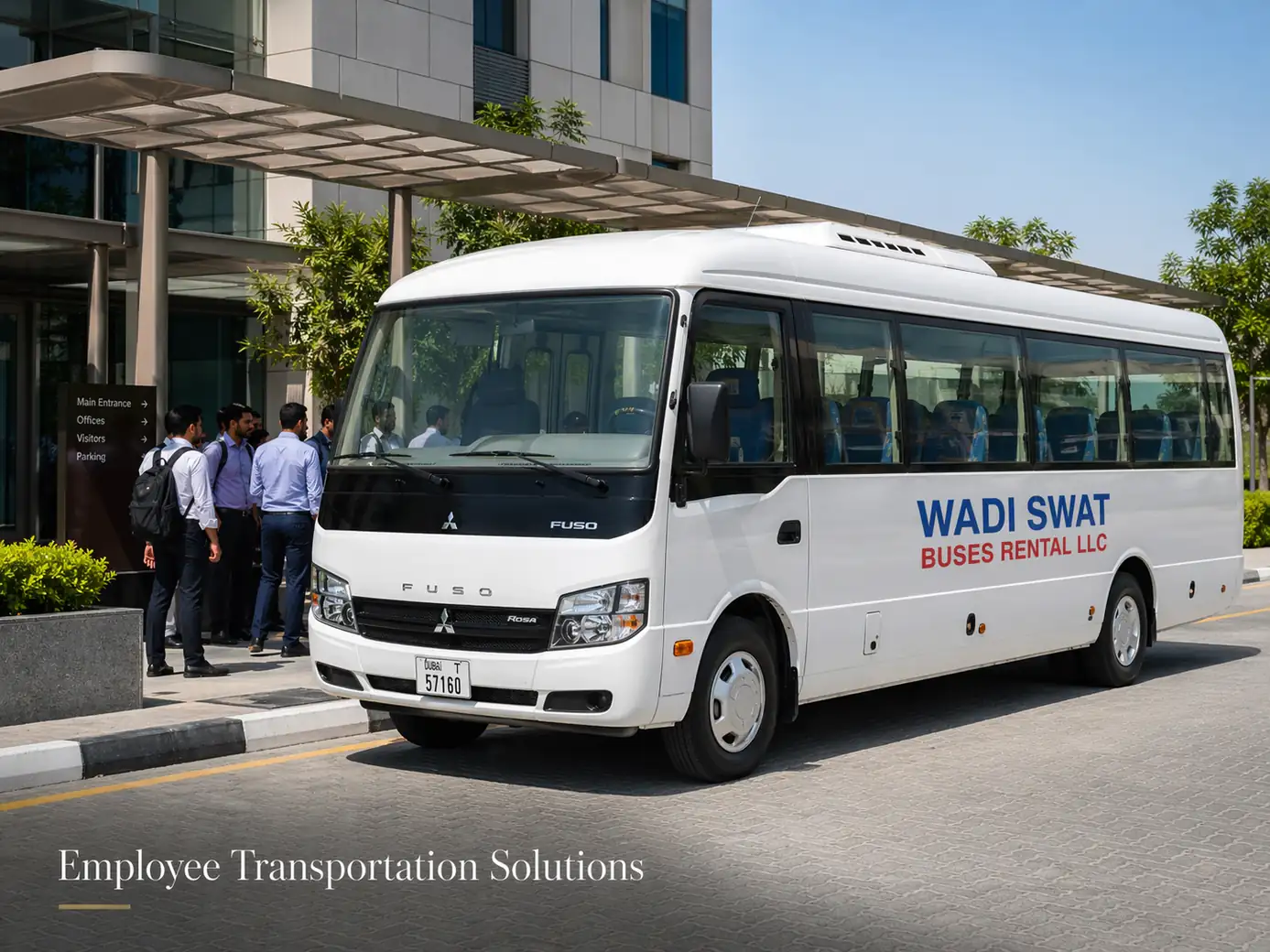
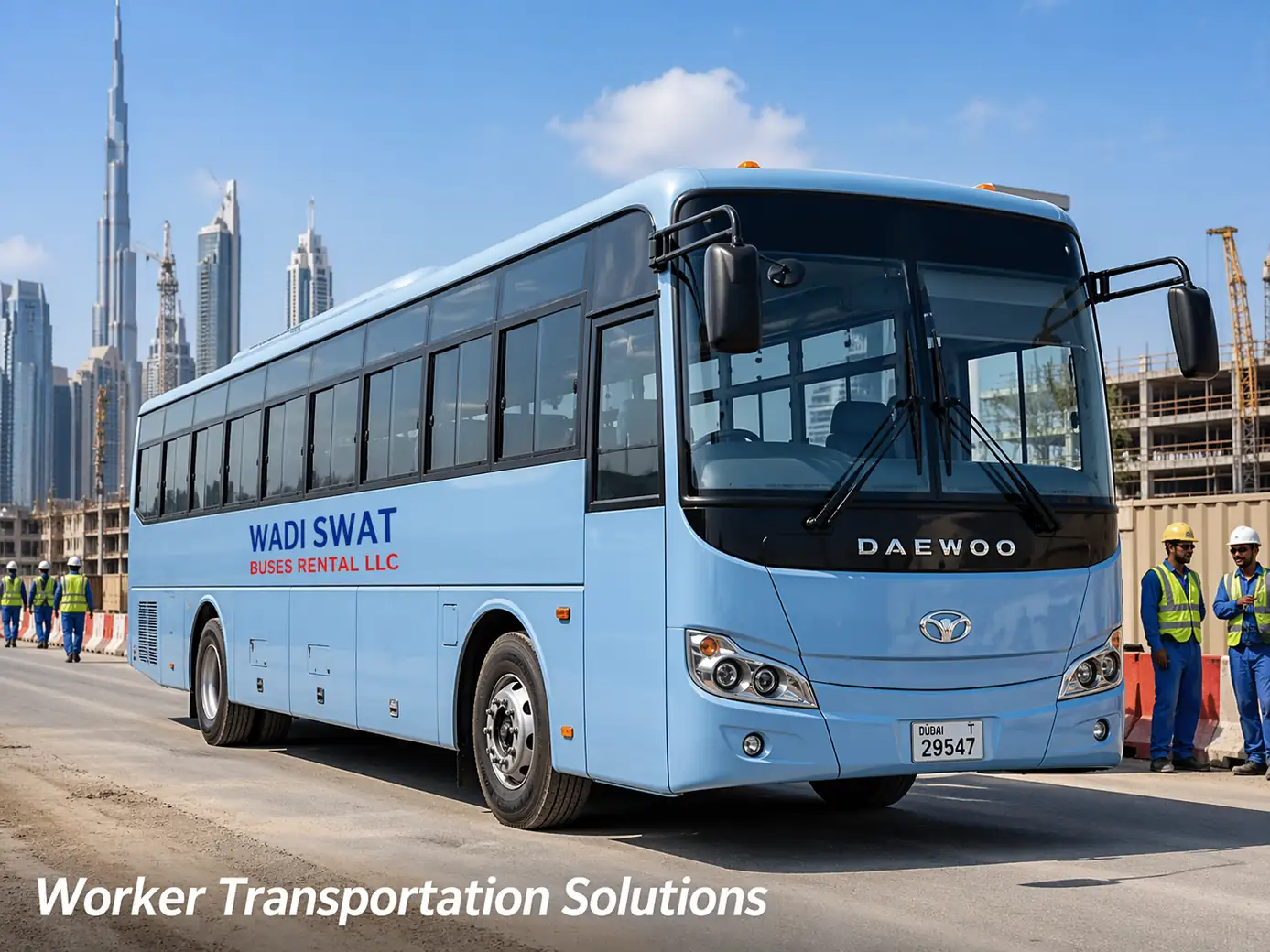
Employee transportation JAFZA is designed for structured workforce movement, free-zone access and recurring daily routes that need stronger control over timing and entry conditions.

Operational Fit

JAFZA employee movement aligned with free-zone access

Focus on employee commute into JAFZA, route reliability and workforce planning.

Buyer Relevance

Fleet planning built around controlled workforce movement

free-zone employers, HR departments, operations teams, administration managers and businesses coordinating staff arrival across multiple shifts or sites

Local Logic

Dependable commuting for JAFZA-linked operations

The JAFZA market rewards route clustering, stronger timetable control and vehicle matching that suits both access conditions and employee comfort.

Group Size

10-350+ employees across free-zone, office or business-park routes

Recurring transport fit based on real seat planning and daily route structure.

Route Type

Free-zone route, office commute, multi-stop feeder and cross-area employee movement

Planned around pickup flow, multi-stop movement and access realities.

Timing Type

Shift-based, office-start, free-zone reporting and repeated weekday timing

Suitable for peak starts, staggered arrivals and recurring route timing.

Commercial Intent

Comparison + Vendor Selection

JAFZA needs a dedicated page because the free-zone workforce, access controls and employee movement patterns there justify a separate transportation solution rather than a generic shuttle page.

Booking Model

Monthly contract, recurring company transport agreement or route-based employee service plan

Structured employee mobility support with recurring route planning, timetable discipline and consistent company-facing service

Best For

Daily employee pickup and drop

JAFZA generates recurring commuter demand from offices, business parks, mixed-use districts and employers moving teams on repeat schedules.

Best For

Shift-based office or site movement

Route planning in JAFZA has to account for peak windows, access controls, curb limitations, parking rules and realistic arrival buffers.

Best For

Intercity staff routes connected to JAFZA

Pickup design usually works best through grouped stops, practical assembly points and timed drops that reduce delay at busy work locations.

Not Ideal For

purely premium guest travel, event-only bookings and very small casual movement

Corporate Shuttle JAFZA, Staff Transport Jebel Ali or Employee Transportation Dubai South may be a better fit when the requirement is more specifically free-zone, commuter-led or campus-oriented.

Overview

Employee Transportation JAFZA for Structured Free-Zone Mobility

JAFZA employee transportation needs its own commercial logic because access control, workforce timing and repeated free-zone commuting create a transport environment that is more structured than an ordinary office shuttle page.

Service Fit

Who Usually Uses This Service

This page fits free-zone employers, HR teams, operations departments, administration managers and businesses coordinating structured staff arrival across several shifts or locations.

Use Cases

Where It Works Best

It performs best for repeated employee transport, route-based workforce movement, free-zone access and scheduled commuting where punctuality matters every working day.

Not Ideal Fit

When Another Page Is the Better Fit

If the requirement is premium guest movement, a one-time transfer or a small casual ride, another service category usually makes more sense.

Route Logic

How JAFZA Employee Routes Are Usually Built

Planning generally starts with workforce origin, free-zone access reality, shift structure, destination timing and how to create route efficiency without making the commute harder than it needs to be.

Scheduling

Handling Shifts and Repeated Workforce Timing

The schedule has to support regular office timing, shift overlap, staggered starts and return movement without creating unstable route patterns.

Vehicle Planning

Fleet Strategy for JAFZA Workforce Demand

Vehicle selection depends on employee count, access controls, distance, stop complexity and whether the service needs flexibility across several route layers.

Toyota Hiace 12 Seater Passenger VanToyota Coaster 30 Seater Mini BusAshok Leyland 50 Seater Staff Transport BusLuxury coaches, premium guest vehicles and very small casual cars that do not suit structured workforce commuting
Commercial Logic

How Employee Transportation Pricing Usually Works in JAFZA

The commercial structure is usually shaped by route detail, access complexity, timing requirements, seat count and how often the service repeats.

Route distance and daily runtimePassenger count and vehicle sizeStop complexity and access rulesService frequency and contract term
Why Wadi Swat

Why Buyers Choose Wadi Swat for JAFZA Transport

What buyers typically value most is not just bus supply, but a workforce route model that remains controlled and easy to operate over time.

Service Confidence

Free-Zone Transport Standards and Operating Confidence

Trust is built through operating clarity, route discipline and dependable execution. The service becomes easier to manage when route planning, communication, driver standards and day-to-day continuity are handled in a commercially clear way.

Compliance

RTA-Aware Planning

RTA-conscious planning and access-aware operation aligned with practical route realities

Driver Standards

Service Discipline

Professional driver allocation, punctual reporting, route familiarity and service discipline suited to recurring transport

Safety

Operational Safety

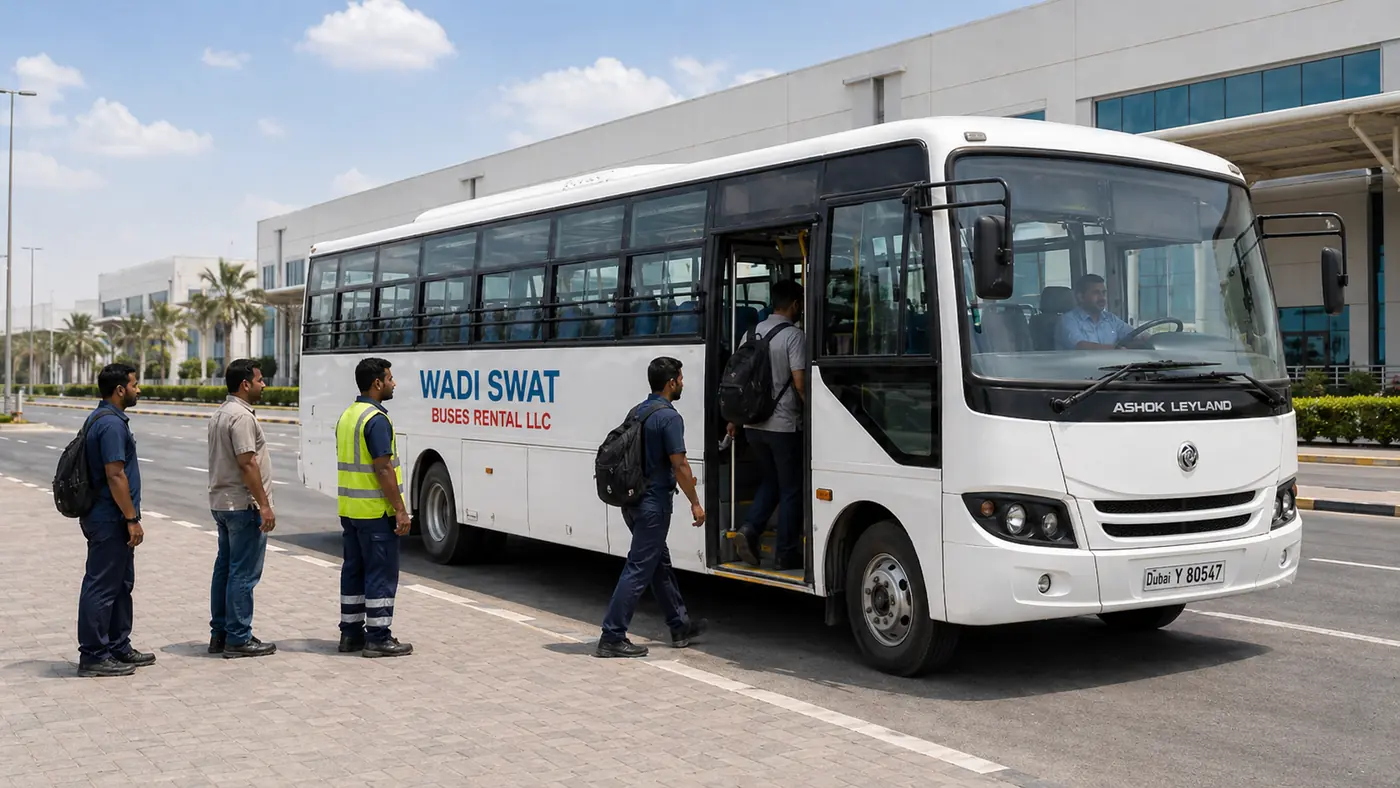
Safe boarding, disciplined routing, sensible stop design and practical loading-point control throughout the daily operation

Reliability

Daily Continuity

Consistent scheduling, route stability, responsive coordination and continuity planning for repeated transport demand

Contracts

Recurring Booking Logic

Flexible recurring booking structure with room for route review, capacity changes and timetable adjustment as demand evolves

Location Logic

What Buyers Need to Consider in JAFZA

JAFZA buyers often need more localized guidance on gate-access rules, workforce arrival timing, repeated commuter flows and how free-zone movement should be structured if the shuttle is expected to stay stable over time. The page should help them judge whether the operating model truly suits JAFZA conditions.

Demand Pattern

Local Demand

JAFZA generates recurring commuter demand from offices, business parks, mixed-use districts and employers moving teams on repeat schedules.

Traffic Reality

Access and Timing

Route planning in JAFZA has to account for peak windows, access controls, curb limitations, parking rules and realistic arrival buffers.

Pickup Reality

Staging Logic

Pickup design usually works best through grouped stops, practical assembly points and timed drops that reduce delay at busy work locations.

Route Advantage

Location Strength

The JAFZA market rewards route clustering, stronger timetable control and vehicle matching that suits both access conditions and employee comfort.

Frequently Asked Questions

Employee Transportation JAFZA FAQs

JAFZA employers typically need clearer answers on gate access, workforce timing and how employee transportation should be structured across repeated daily routes.

How is employee transportation usually planned for JAFZA operations?

The service is usually built around workforce origins, gate-access expectations, reporting times and the level of route consistency the employer needs.

Which vehicle categories are most practical for JAFZA workforce movement?

The most practical categories are those that match headcount, access conditions and how dense or dispersed the pickup flow is.

Can JAFZA employee transport include access-sensitive routing and multiple shift times?

Yes. That is often necessary, and it can be handled through controlled stop logic and timetable layering.

What should a company provide before requesting a JAFZA transport quote?

Headcount, shift timing, pickup origins, exact destination, service pattern and any gate-control or waiting rules are the normal inputs.

Is this page mainly designed for repeat employee commuting rather than guest transfers?

Yes. Its core purpose is recurring workforce mobility, not premium guest or visitor movement.

What helps employee transport in JAFZA stay stable and predictable?

Operational discipline, clearly defined stops and route planning that accounts for access realities usually make the biggest difference.

Next Step

Plan Employee Transportation JAFZA With a Route That Actually Works

If you are arranging employee transportation in JAFZA, begin with the shift times, access details and workforce count. That makes it easier to match the proposal to actual free-zone movement.