
📘 BUYER GUIDE • DECISION SUPPORT

How to Plan Event Shuttle Routes

How to Plan Event Shuttle Routes gives buyers a practical way to move from an incomplete transport enquiry to a comparable, written decision. It is designed for event organisers, venues, agencies and corporate teams designing shuttle routes for conferences, exhibitions, weddings and public events. The guide focuses on arrival peaks, gate rules, coach bays, pedestrian flow, dispatch intervals, queue control, last departures and post-event release, then connects those requirements to vehicle fit, commercial scope, evidence and the next approval step.

🎯 Purpose📋 Checklist⚖️ Compare✅ Approve
How to plan event shuttle routes
A premium buyer guide for How to Plan Event Shuttle Routes with a clear decision path.
📘 Guide⚖️ Compare🔍 Verify✅ Approve
🧠 Decision desk
Build a clearer transport brief

Select the decision pressure, service pattern and planning stage. The tool highlights what to verify before approving a vehicle, quotation or provider.

01
BUYER CHECK

Practical Answer and Decision Context — How to Plan Event Shuttle Routes

This section applies the How to Plan Event Shuttle Routes decision to a specific part of the buyer journey. It keeps the recommendation connected to the route, vehicle, evidence and written scope.

How to Plan A Hotel Staff Shuttle System

Who This Guide Is For — How to Plan Event Shuttle Routes

The intended reader of How to Plan Event Shuttle Routes is usually responsible for both coordination and approval. That person may need to balance passenger convenience, operational timing, procurement evidence and budget control. The guide therefore concentrates on arrival peaks, gate rules, coach bays, pedestrian flow, dispatch intervals, queue control, last departures and post-event release. It does not replace a route survey, written quotation or final availability confirmation; instead, it helps the buyer prepare those steps properly.

How to Plan Event Shuttle Routes is most useful for event organisers, venues, agencies and corporate teams designing shuttle routes for conferences, exhibitions, weddings and public events. The decision becomes clearer when the request is treated as an operating problem rather than a search for a vehicle name. A buyer should identify the journey purpose, the people affected and the point at which transport success will be measured. That creates a practical boundary for this guide and prevents unrelated service features from controlling the decision.

Reader and decision context — How to Plan Event Shuttle Routes

  • Decision owner: event organisers, venues, agencies and corporate teams designing shuttle routes for conferences, exhibitions, weddings and public events
  • Operating context: arrival peaks, gate rules, coach bays, pedestrian flow, dispatch intervals, queue control, last departures and post-event release
  • Evidence boundary: venue access confirmation, route map, dispatch schedule, passenger communication plan and vehicle allocation
  • Desired output: a written, comparable decision
The Main Recommendation — How to Plan Event Shuttle Routes

For How to Plan Event Shuttle Routes, the buyer should create one controlled version of the requirement and use it throughout the enquiry. a 2,000-person exhibition may need several park-and-ride hubs with timed loops rather than direct pickups from many hotels. The right answer is the option that meets the complete operating pattern with clear responsibilities, not the option with the most attractive label.

The central recommendation in How to Plan Event Shuttle Routes is to plan from passenger waves and venue access: define hubs, loading windows, loop time, vehicle holding, signage and escalation before assigning buses. This sequence keeps the requirement measurable and makes later comparisons more reliable. It also exposes missing information before a quotation is treated as final.

Answer-first summary — How to Plan Event Shuttle Routes

  • plan from passenger waves and venue access: define hubs, loading windows, loop time, vehicle holding, signage and escalation before assigning buses
  • a 2,000-person exhibition may need several park-and-ride hubs with timed loops rather than direct pickups from many hotels
  • Separate confirmed facts from assumptions
  • Confirm the next action and responsible person
02
BUYER CHECK

Factors to Compare — How to Plan Event Shuttle Routes

This section applies the How to Plan Event Shuttle Routes decision to a specific part of the buyer journey. It keeps the recommendation connected to the route, vehicle, evidence and written scope.

50-67 Seater Labour AC Buses

Capacity, Route and Service Pattern — How to Plan Event Shuttle Routes

Operational comparison for How to Plan Event Shuttle Routes should cover arrival peaks, gate rules, coach bays, pedestrian flow, dispatch intervals, queue control, last departures and post-event release. Each factor changes how the service performs on the day, even when the route distance looks simple. The buyer should separate fixed requirements from preferences and identify which details can still change.

A useful How to Plan Event Shuttle Routes operating review follows the journey from reporting time to final release. It checks where passengers assemble, how long boarding takes, what access restrictions apply and how the coordinator communicates changes. vehicle size should fit both demand and the venue's coach-bay and turning limits. These checks reduce the risk of selecting an available but impractical option.

Operational criteria — How to Plan Event Shuttle Routes

  • Route and timing: arrival peaks, gate rules, coach bays, pedestrian flow, dispatch intervals, queue control, last departures and post-event release
  • Vehicle fit: vehicle size should fit both demand and the venue's coach-bay and turning limits
  • Passenger communication and escalation
  • Backup and change-control requirements

Cost, Risk and Responsibility — How to Plan Event Shuttle Routes

The commercial review for How to Plan Event Shuttle Routes should examine vehicle quantity, standby time, parking, permits, additional loops, overtime and changes caused by programme delays. Two quotations are comparable only when these assumptions are visible and substantially aligned. A lower headline figure may represent a narrower duty rather than better value.

For How to Plan Event Shuttle Routes, exclusions and change conditions should appear in the same document as the price. cost is driven by fleet quantity, duty window, loops, standby and access requirements. Written clarity is especially important when waiting, additional sectors, route revisions or third-party charges may arise.

Commercial criteria — How to Plan Event Shuttle Routes

  • Commercial scope: vehicle quantity, standby time, parking, permits, additional loops, overtime and changes caused by programme delays
  • Pricing logic: cost is driven by fleet quantity, duty window, loops, standby and access requirements
  • Inclusions, exclusions and validity
  • Approval, payment and change conditions
03
BUYER CHECK

Options, Trade-Offs and Examples — How to Plan Event Shuttle Routes

This section applies the How to Plan Event Shuttle Routes decision to a specific part of the buyer journey. It keeps the recommendation connected to the route, vehicle, evidence and written scope.

Route Planning Standards
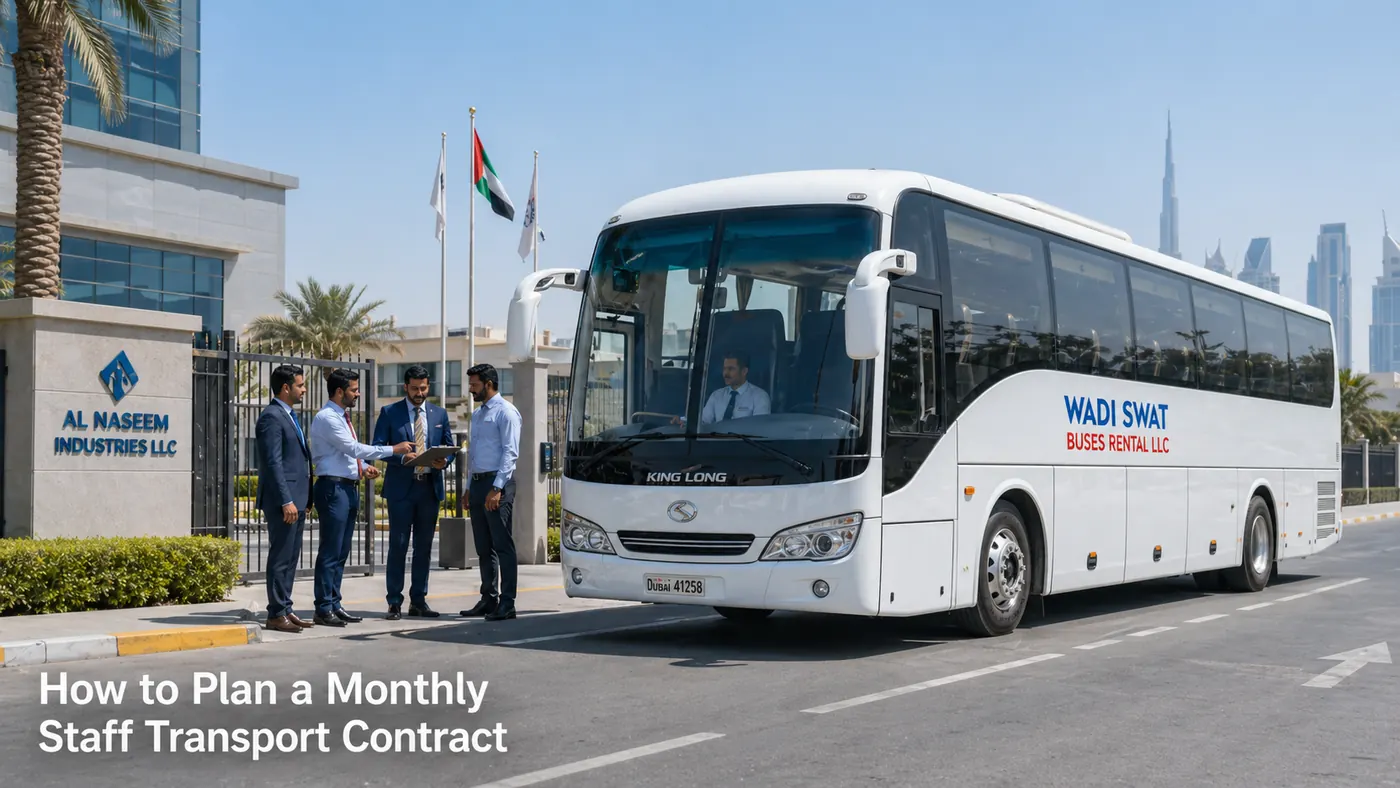
How to plan a monthly staff transport contract
Decision-support visual for How to Plan Event Shuttle Routes.

When Each Option Works Best — How to Plan Event Shuttle Routes

a 2,000-person exhibition may need several park-and-ride hubs with timed loops rather than direct pickups from many hotels. In How to Plan Event Shuttle Routes, this example shows why one standard answer is unsafe: capacity, access, timing and coordination can change the preferred solution even when passenger numbers appear similar.

Options in How to Plan Event Shuttle Routes should be judged by the problem they solve. fixed loops suit repeated movement, timed departures suit registered groups, and dedicated vehicles suit VIP or speaker movements. A good comparison states where each option works, what it cannot do and which assumption would make the recommendation change.

Use-case comparison — How to Plan Event Shuttle Routes

  • fixed loops suit repeated movement, timed departures suit registered groups, and dedicated vehicles suit VIP or speaker movements
  • a 2,000-person exhibition may need several park-and-ride hubs with timed loops rather than direct pickups from many hotels
  • Compare practical advantages and constraints
  • Keep an acceptable alternative class or method

Common Limitations and Warning Signs — How to Plan Event Shuttle Routes

Risk control for How to Plan Event Shuttle Routes means recording decisions before service starts and testing them against venue access confirmation, route map, dispatch schedule, passenger communication plan and vehicle allocation. The buyer should distinguish confirmed facts, provisional information and preferences, while the provider identifies material assumptions instead of silently filling them in.

Common warning signs in How to Plan Event Shuttle Routes include using one route for every audience, ignoring venue holding space, underestimating boarding time or failing to plan the final departure wave. These issues often create cost or service problems after confirmation because the missing assumption becomes visible only during dispatch or travel.

Risks to avoid — How to Plan Event Shuttle Routes

  • using one route for every audience, ignoring venue holding space, underestimating boarding time or failing to plan the final departure wave
  • Do not rely on unsupported assurances
  • Record material assumptions in writing
  • Escalate unresolved access, capacity or timing risks
04
BUYER CHECK

Planning Checklist — How to Plan Event Shuttle Routes

This section applies the How to Plan Event Shuttle Routes decision to a specific part of the buyer journey. It keeps the recommendation connected to the route, vehicle, evidence and written scope.

How to Reduce Delays in Daily Pickup and Drop Routes

Information and Documents to Collect — How to Plan Event Shuttle Routes

Before approving How to Plan Event Shuttle Routes, prepare attendance estimate, origin clusters, venue gates, event timetable, accreditation rules, accessibility needs and coordinator contacts. Organise the information so operations, procurement and the final coordinator can check the same version. Clear data reduces repeated questions and helps the written offer reflect the real duty.

The evidence pack for How to Plan Event Shuttle Routes should include venue access confirmation, route map, dispatch schedule, passenger communication plan and vehicle allocation. It should be proportionate to the decision: a simple journey may require less documentation than a recurring contract or provider selection, but critical operating facts should never be omitted.

Preparation — How to Plan Event Shuttle Routes

  • attendance estimate, origin clusters, venue gates, event timetable, accreditation rules, accessibility needs and coordinator contacts
  • venue access confirmation, route map, dispatch schedule, passenger communication plan and vehicle allocation
  • Use exact locations and current schedules
  • Keep one approved version of the brief

Questions to Ask Before Approval — How to Plan Event Shuttle Routes

The approval discussion for How to Plan Event Shuttle Routes should answer where vehicles hold, who releases each departure, how no-shows are treated, what happens after programme delay and how guests receive updates. Questions should produce a written response, not a general assurance. The final answer should identify the responsible party and every condition still dependent on availability or third-party approval.

A disciplined buyer records each How to Plan Event Shuttle Routes question beside the relevant quotation or contract clause and links it to vehicle quantity, standby time, parking, permits, additional loops, overtime and changes caused by programme delays. This creates traceability when the route, passenger count or schedule changes and prevents verbal expectations from becoming assumed inclusions.

Decision control — How to Plan Event Shuttle Routes

  • where vehicles hold, who releases each departure, how no-shows are treated, what happens after programme delay and how guests receive updates
  • Ask for written, page-specific answers
  • Identify the owner of every responsibility
  • Record conditions that remain subject to availability
01Brief
02Compare
03Verify
04Clarify
05Approve
05
BUYER CHECK

Recommended Next Step — How to Plan Event Shuttle Routes

This section applies the How to Plan Event Shuttle Routes decision to a specific part of the buyer journey. It keeps the recommendation connected to the route, vehicle, evidence and written scope.

Route Planning Standards

How to Apply the Guide — How to Plan Event Shuttle Routes

After the How to Plan Event Shuttle Routes decision is made, version-control the operating brief and share it with dispatch and passenger coordinators. Test every later change against arrival peaks, gate rules, coach bays, pedestrian flow, dispatch intervals, queue control, last departures and post-event release and the agreed price and responsibility before accepting it.

The recommended action after using How to Plan Event Shuttle Routes is to map the demand by time, test one full loop, publish the dispatch plan and brief drivers and coordinators. This turns the guide into a working decision process. The next step should be assigned to a named person with a deadline and a defined output.

Action plan — How to Plan Event Shuttle Routes

  • map the demand by time, test one full loop, publish the dispatch plan and brief drivers and coordinators
  • Assign an owner and deadline
  • Issue the final operating brief
  • Review changes before approval

Related Services and Further Reading — How to Plan Event Shuttle Routes

The linked resources help compare vehicle size should fit both demand and the venue's coach-bay and turning limits and cost is driven by fleet quantity, duty window, loops, standby and access requirements. The final selection for How to Plan Event Shuttle Routes still depends on the written requirement, current availability and the confirmed quotation.

Further reading for How to Plan Event Shuttle Routes should support the next unresolved decision and the evidence set: venue access confirmation, route map, dispatch schedule, passenger communication plan and vehicle allocation. Related service, fleet and trust pages can help verify details, but they should not replace the page-specific checklist.

Next resources — How to Plan Event Shuttle Routes

  • venue access confirmation, route map, dispatch schedule, passenger communication plan and vehicle allocation
  • vehicle size should fit both demand and the venue's coach-bay and turning limits
  • cost is driven by fleet quantity, duty window, loops, standby and access requirements
  • Use related pages only for the next relevant decision
❓ FAQ
Questions buyers ask before approval

The answers below follow the exact page decision and remain subject to the final written service scope.

01What is the main recommendation in How to Plan Event Shuttle Routes?

The main recommendation is to plan from passenger waves and venue access: define hubs, loading windows, loop time, vehicle holding, signage and escalation before assigning buses. This applies when the buyer needs a decision that can be translated into a route, vehicle, quotation or provider-selection brief. The recommendation should be tested against arrival peaks, gate rules, coach bays, pedestrian flow, dispatch intervals, queue control, last departures and post-event release. It remains subject to current route information, vehicle suitability and written confirmation rather than being treated as a universal promise.

02Which factors should be compared for How to Plan Event Shuttle Routes?

Compare arrival peaks, gate rules, coach bays, pedestrian flow, dispatch intervals, queue control, last departures and post-event release together with vehicle quantity, standby time, parking, permits, additional loops, overtime and changes caused by programme delays. The vehicle decision should also account for the fact that vehicle size should fit both demand and the venue's coach-bay and turning limits. Use the same assumptions for every option so the comparison reflects scope and operating risk, not only a headline amount or category name.

03What common mistakes should be avoided for How to Plan Event Shuttle Routes?

Avoid using one route for every audience, ignoring venue holding space, underestimating boarding time or failing to plan the final departure wave. These mistakes create unclear responsibilities and make quotations difficult to compare. Keep confirmed information, provisional details and preferences separate, and ask the provider to identify material assumptions in writing before approval.

04What information should be prepared before booking for How to Plan Event Shuttle Routes?

Prepare attendance estimate, origin clusters, venue gates, event timetable, accreditation rules, accessibility needs and coordinator contacts. Also gather venue access confirmation, route map, dispatch schedule, passenger communication plan and vehicle allocation. The buyer should ask where vehicles hold, who releases each departure, how no-shows are treated, what happens after programme delay and how guests receive updates. A complete brief improves route review, capacity selection, quotation accuracy and the ability to manage later changes.

✅ READY TO APPLY THE GUIDE
Turn the guide into a written transport decision

Use the checklist, confirm the route and responsibilities, then review a quotation for How to Plan Event Shuttle Routes on the same assumptions.