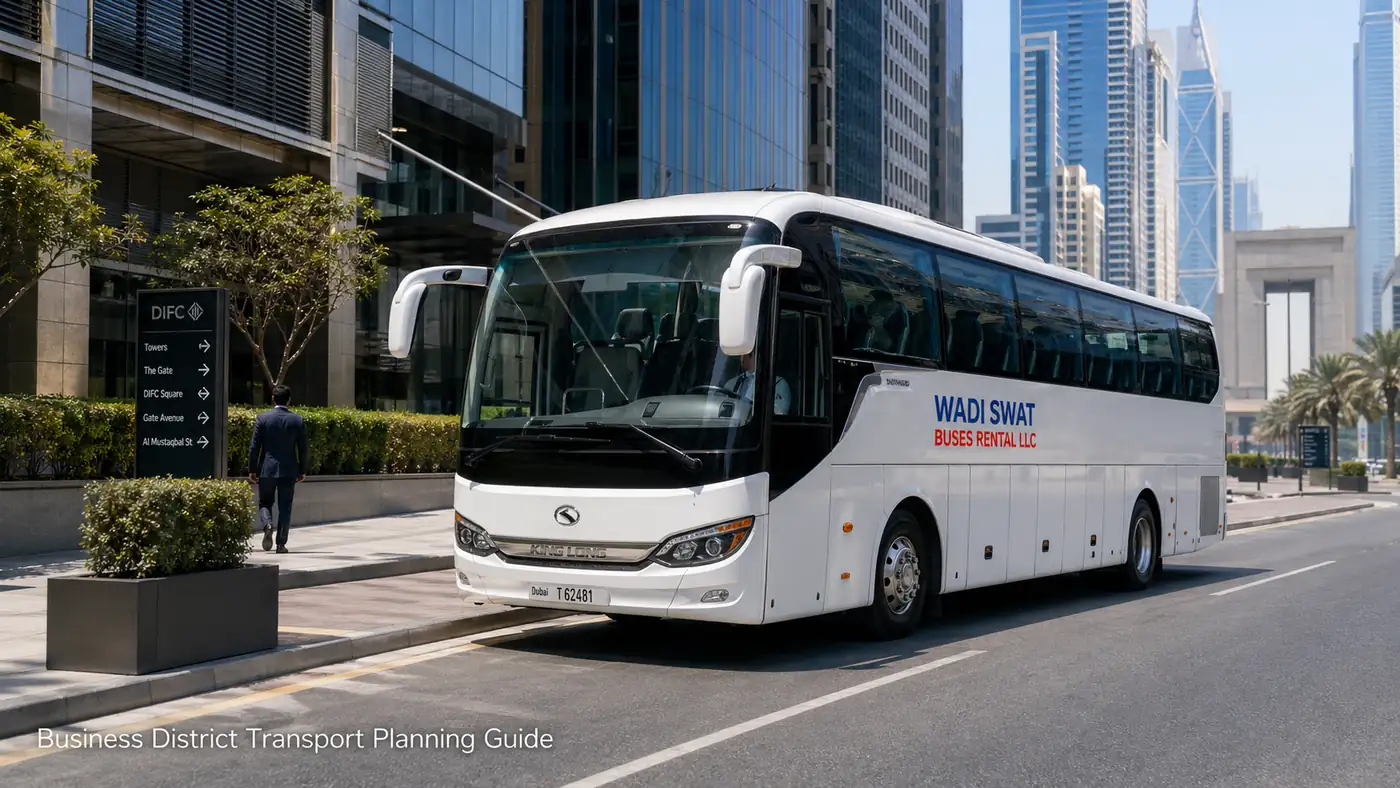
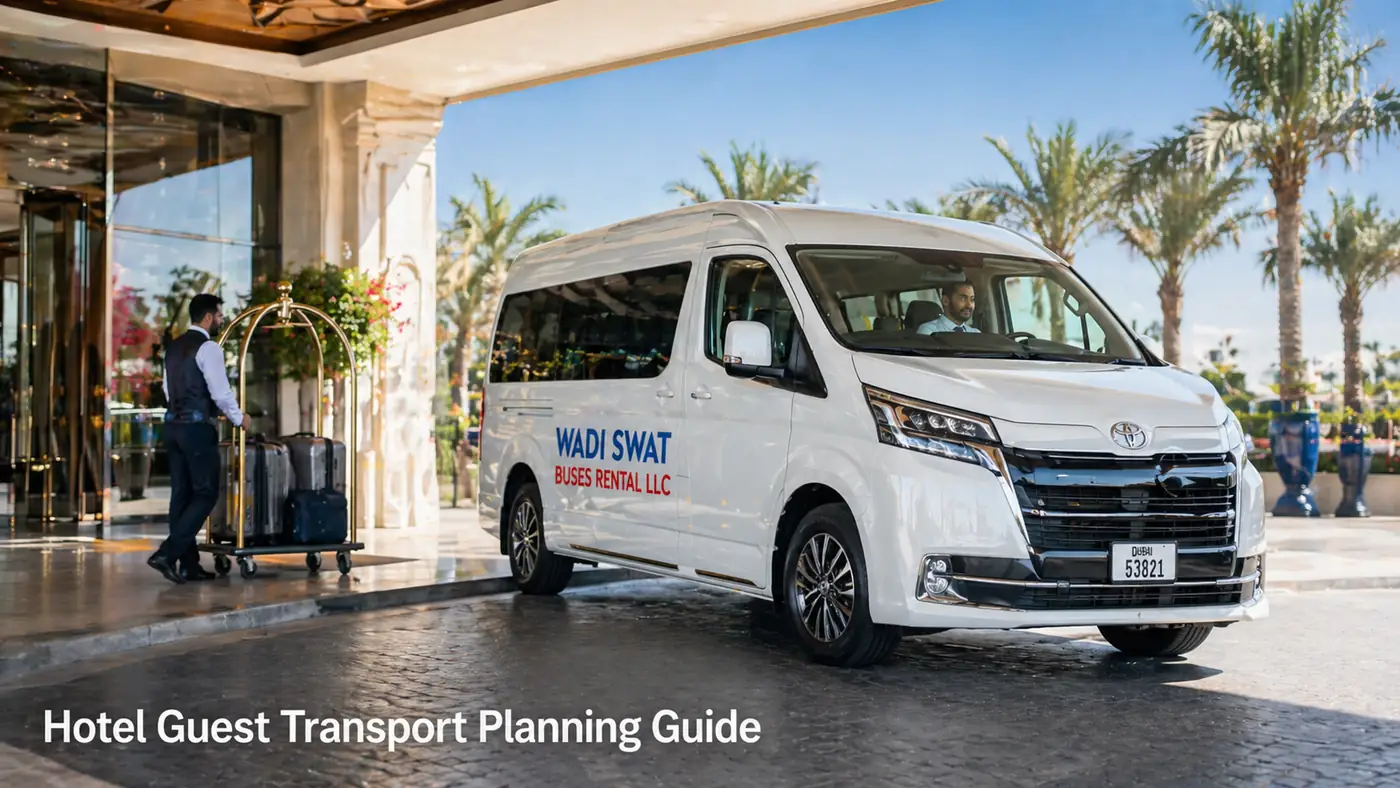
Who This Guide Is For — Hotel Guest Transport Planning Guide
The intended reader of Hotel Guest Transport Planning Guide is usually responsible for both coordination and approval. That person may need to balance passenger convenience, operational timing, procurement evidence and budget control. The guide therefore concentrates on arrival waves, lobby loading, luggage handling responsibility, guest lists, attraction times, late checkouts and multilingual communication. It does not replace a route survey, written quotation or final availability confirmation; instead, it helps the buyer prepare those steps properly.
Hotel Guest Transport Planning Guide is most useful for hotel operations teams, concierge desks, destination managers and group coordinators planning guest movement between airports, hotels, attractions and events. The decision becomes clearer when the request is treated as an operating problem rather than a search for a vehicle name. A buyer should identify the journey purpose, the people affected and the point at which transport success will be measured. That creates a practical boundary for this guide and prevents unrelated service features from controlling the decision.
Reader and decision context — Hotel Guest Transport Planning Guide
- Decision owner: hotel operations teams, concierge desks, destination managers and group coordinators planning guest movement between airports, hotels, attractions and events
- Operating context: arrival waves, lobby loading, luggage handling responsibility, guest lists, attraction times, late checkouts and multilingual communication
- Evidence boundary: hotel access notes, guest movement list, vehicle capacity confirmation and written responsibilities
- Desired output: a written, comparable decision