
Labor Transport FAQ
This page gives practical, direct answers about labour and workforce transport services. It explains who the service is for, what information is needed before a quotation or confirmation, and how suitability, pricing, operations and policies should be reviewed without assuming unverified availability or prices.
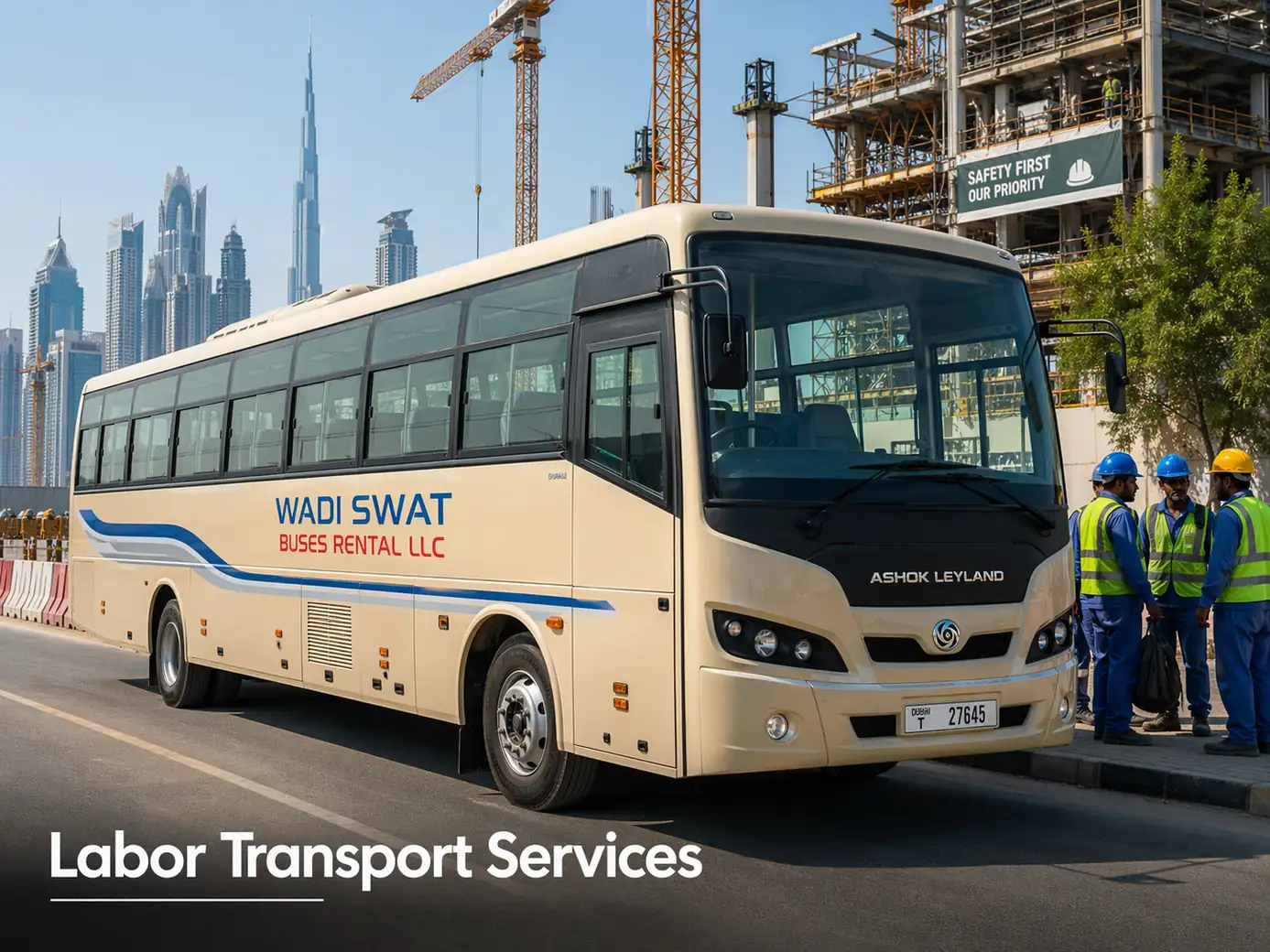
This page is designed for contractors, factories, warehouses, camps, industrial operators and project sites with scheduled workforce movement. It turns repeated questions into a clear decision path, starting with the real movement need and ending with enough information for useful guidance or a written quotation.
The central focus is planning high-capacity, shift-based transport between accommodation, camps, factories and work sites. For that reason, the guidance avoids absolute promises and unapproved prices, and connects every decision to the route, passenger count, timing, vehicle class and written terms.
Important related topics
These phrases define the page scope and the questions answered below.
Labour Transport FAQLabor Transport FAQ guideLabor Transport FAQ requirementsLabor Transport FAQ cost factorsLabor Transport FAQ planning stepsLabor Transport FAQ FAQ
00
Question MapStart with the category that reflects the real transport need.
planning high-capacity, shift-based transport between accommodation, camps, factories and work sites
◆
Decision RoleA clear route from question to decision
contractors, factories, warehouses, camps, industrial operators and project sites with scheduled workforce movement
planning high-capacity, shift-based transport between accommodation, camps, factories and work sites
camp and site locations, shift start and finish, workforce count, working days, access permits, supervisor contacts and contract period
Section 1
Labour Transport FAQ: Core Questions
This part explains labour and workforce transport services for contractors, factories, warehouses, camps, industrial operators and project sites with scheduled workforce movement. The practical aim is planning high-capacity, shift-based transport between accommodation, camps, factories and work sites. Suitability should be judged from the real passenger group and operating conditions rather than from a vehicle name alone.
Service Scope and Suitability — Labor Transport Faq
This part explains labour and workforce transport services for contractors, factories, warehouses, camps, industrial operators and project sites with scheduled workforce movement. The practical aim is planning high-capacity, shift-based transport between accommodation, camps, factories and work sites. Suitability should be judged from the real passenger group and operating conditions rather than from a vehicle name alone.
What the service covers — Labor Transport Faq
What the service covers — Labor Transport Faq should be checked through these practical controls: Confirm who will travel and the purpose of the movement. Match passenger count, luggage and comfort to the practical vehicle class. Do not treat availability or a specific model as confirmed until it is written.
Vehicle and Capacity — Labor Transport Faq
This part explains labour and workforce transport services for contractors, factories, warehouses, camps, industrial operators and project sites with scheduled workforce movement. The practical aim is planning high-capacity, shift-based transport between accommodation, camps, factories and work sites. Suitability should be judged from the real passenger group and operating conditions rather than from a vehicle name alone.
Choosing an option — Labor Transport Faq
Choosing an option — Labor Transport Faq should be checked through these practical controls: Confirm who will travel and the purpose of the movement. Match passenger count, luggage and comfort to the practical vehicle class. Do not treat availability or a specific model as confirmed until it is written.
Section 2
Booking and Confirmation — Labor Transport Faq
A useful enquiry should confirm camp and site locations, shift start and finish, workforce count, working days, access permits, supervisor contacts and contract period. Clear information allows the transport team to review route feasibility, availability and the correct service basis before issuing a written quotation or confirmation.
Information Required — Labor Transport Faq
A useful enquiry should confirm camp and site locations, shift start and finish, workforce count, working days, access permits, supervisor contacts and contract period. Clear information allows the transport team to review route feasibility, availability and the correct service basis before issuing a written quotation or confirmation.
Enquiry details — Labor Transport Faq
Enquiry details — Labor Transport Faq should be checked through these practical controls: Share exact locations instead of broad emirate names. State the date, reporting time, return plan and service frequency. Identify permits, venue access, luggage or special assistance before approval.
Quotation and Approval — Labor Transport Faq
A useful enquiry should confirm camp and site locations, shift start and finish, workforce count, working days, access permits, supervisor contacts and contract period. Clear information allows the transport team to review route feasibility, availability and the correct service basis before issuing a written quotation or confirmation.
Commercial process — Labor Transport Faq
Commercial process — Labor Transport Faq should be checked through these practical controls: Share exact locations instead of broad emirate names. State the date, reporting time, return plan and service frequency. Identify permits, venue access, luggage or special assistance before approval.
Section 3
Pricing and Additional Charges — Labor Transport Faq
Commercial planning normally considers route length, shifts, fleet capacity, daily kilometres, waiting, access permits, tolls, parking and contract duration. A reliable comparison must use the same scope, because a lower figure can exclude items that another quotation includes. The accepted written quotation remains the controlling reference.
Main Cost Factors — Labor Transport Faq
Commercial planning normally considers route length, shifts, fleet capacity, daily kilometres, waiting, access permits, tolls, parking and contract duration. A reliable comparison must use the same scope, because a lower figure can exclude items that another quotation includes. The accepted written quotation remains the controlling reference.
What affects price — Labor Transport Faq
What affects price — Labor Transport Faq should be checked through these practical controls: Check what is included: driver, fuel basis, tolls, parking, permits and waiting. Confirm duty hours, mileage, overtime and additional-trip treatment. Use the written quotation when approving price or comparing suppliers.
Inclusions and Exclusions — Labor Transport Faq
Commercial planning normally considers route length, shifts, fleet capacity, daily kilometres, waiting, access permits, tolls, parking and contract duration. A reliable comparison must use the same scope, because a lower figure can exclude items that another quotation includes. The accepted written quotation remains the controlling reference.
What to confirm — Labor Transport Faq
What to confirm — Labor Transport Faq should be checked through these practical controls: Check what is included: driver, fuel basis, tolls, parking, permits and waiting. Confirm duty hours, mileage, overtime and additional-trip treatment. Use the written quotation when approving price or comparing suppliers.
Section 4
Operations and Changes — Labor Transport Faq
Day-to-day delivery depends on rosters, shift dispatch, safe boarding points, supervisor communication, site access, attendance variation and continuity support. Changes should be reported early, because a different timing, stop, passenger count or access rule may require a revised vehicle, route or operating plan.
Pickup, Timing and Route Changes — Labor Transport Faq
Day-to-day delivery depends on rosters, shift dispatch, safe boarding points, supervisor communication, site access, attendance variation and continuity support. Changes should be reported early, because a different timing, stop, passenger count or access rule may require a revised vehicle, route or operating plan.
Duty management — Labor Transport Faq
Duty management — Labor Transport Faq should be checked through these practical controls: Nominate an operational contact for the passenger group. Report route, shift or passenger changes before dispatch wherever possible. Follow the agreed process for delays, breakdowns and replacement support.
Delays, Breakdowns and Replacement — Labor Transport Faq
Day-to-day delivery depends on rosters, shift dispatch, safe boarding points, supervisor communication, site access, attendance variation and continuity support. Changes should be reported early, because a different timing, stop, passenger count or access rule may require a revised vehicle, route or operating plan.
Support process — Labor Transport Faq
Support process — Labor Transport Faq should be checked through these practical controls: Nominate an operational contact for the passenger group. Report route, shift or passenger changes before dispatch wherever possible. Follow the agreed process for delays, breakdowns and replacement support.
Section 5
Policies and Further Help — Labor Transport Faq
The governing controls include approved passenger capacity, access documents, conduct rules, route changes, replacement arrangements and written contract terms. Customers should review the approved policy or quotation that applies to their booking and use the listed support paths when a requirement needs clarification or escalation.
Cancellation, Conduct and Responsibilities — Labor Transport Faq
The governing controls include approved passenger capacity, access documents, conduct rules, route changes, replacement arrangements and written contract terms. Customers should review the approved policy or quotation that applies to their booking and use the listed support paths when a requirement needs clarification or escalation.
Policy questions — Labor Transport Faq
Policy questions — Labor Transport Faq should be checked through these practical controls: Read the relevant booking, conduct, cancellation and responsibility terms. Keep approvals and changes in writing for a clear audit trail. Use the approved support or escalation channel when a decision is needed.
Contact and Escalation — Labor Transport Faq
The governing controls include approved passenger capacity, access documents, conduct rules, route changes, replacement arrangements and written contract terms. Customers should review the approved policy or quotation that applies to their booking and use the listed support paths when a requirement needs clarification or escalation.
Where to get help — Labor Transport Faq
Where to get help — Labor Transport Faq should be checked through these practical controls: Read the relevant booking, conduct, cancellation and responsibility terms. Keep approvals and changes in writing for a clear audit trail. Use the approved support or escalation channel when a decision is needed.
Approved help paths
?
Direct answersFive essential questions
The following answers are visibly published and mirrored exactly in FAQPage schema.
This page covers the main decision points for labour and workforce transport services: service suitability, information needed, vehicle or operating fit, pricing factors, confirmation steps, changes, policies and the correct next action. It is written for contractors, factories, warehouses, camps, industrial operators and project sites with scheduled workforce movement and should be read together with the approved service or policy page when more detail is required.
Before confirmation, share camp and site locations, shift start and finish, workforce count, working days, access permits, supervisor contacts and contract period. The route and timing must be specific enough for availability and operating feasibility to be checked. A written quotation or confirmation should state the agreed vehicle class, service window, inclusions, exclusions and responsibilities.
Pricing and availability can change according to route length, shifts, fleet capacity, daily kilometres, waiting, access permits, tolls, parking and contract duration. Availability also depends on the confirmed date, vehicle category and operating schedule. Compare quotations only after making sure that the route, hours, included charges and service frequency are the same.
Changes and cancellations are handled under the accepted written quotation and the policy that applies to the booking. Early notice gives the best chance of adjusting the route, time or vehicle, but revised availability, additional operating cost or cancellation charges may apply when the confirmed scope changes.
For further help, prepare the route, passenger count, dates, timing and main concern, then use the approved support links on this page or submit a written quotation request. The team can then direct the enquiry to the correct service, policy, fleet or operational review path.