
Worker Transportation Solutions for Site, Camp and Operational Routes
Built for buyers comparing workforce route practicality, shift movement, fleet suitability, and operating fit before committing to worker transport at scale.
Industrial buyers often need to judge worker route planning, shift timing, capacity fit, and operating practicality all at once. This page helps review that structure before a workforce transport decision is made.
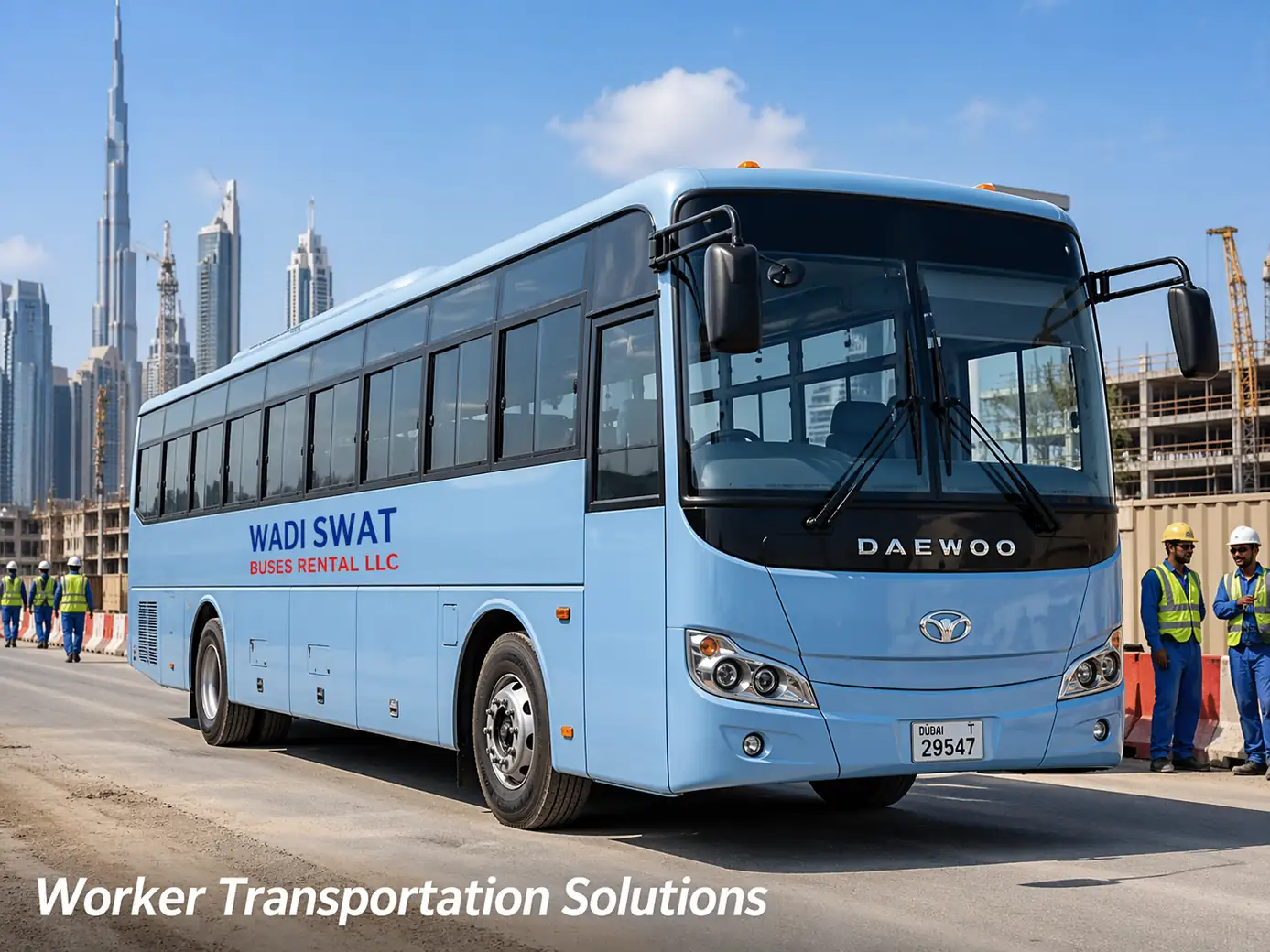
Grounded in worker movement and site practicality
Get a worker transportation quote based on site routes and workforce volume
Useful for camps, sites, and worker transfer routes
Review capacity planning, route practicality, and site logistics before booking
Supports capacity-focused planning for worker movement
Operations buyers worry about workforce volume, site access, shift pressure, and whether the route model can handle real worker movement safely and predictably.
Site worker movement
Operational worker route planning
High-volume workforce support with practical route needs
Operations and industrial buyers comparing route practicality, capacity, and workforce logistics
Keeps the service grounded in worker movement, site practicality, and route logistics instead of treating it like a broad labor-transport overview.
Useful when the buyer prefers worker-centric transport language rather than broader labor-transport framing
How Worker Transportation Solutions Support Practical Site Movement
Worker movement only stays efficient when shift timing, route density, loading logic, and everyday practicality are aligned. This page helps buyers review that operating fit before committing at scale.
For industrial and site-based teams, this page helps buyers assess larger worker volumes, route practicality, and the right operating model before they make a transport commitment.
Who Worker Transportation Solutions Are Best Suited For
Site managers, industrial operators, contractors, camp supervisors, and workforce-mobility planners are the strongest fit for this page. It is better suited to buyers thinking about worker movement at the operating level than to buyers looking for broad labor-language overview only. You can also review our Bus Rental UAE page first.
Worker Movement at Scale
This page is strongest for site-worker movement, operational route planning, high-volume workforce support, and route setups where worker practicality matters more than broad transport language.
When Labor Transport Is the Clearer Choice
Executive transport, hotel guest movement, or very small office commute groups usually need a different frame from this page. For those needs, Labor Transport Services or Monthly Contract Transport may be the more relevant category.
How Worker Transport Is Set Up on Real Routes
Site routes, camp-to-site movement, industrial corridors, and workforce pickup chains usually define worker transport. Efficiency comes from getting shift timing, loading logic, route density, and stop practicality right at the operating level.
How Worker Shift Timing Shapes the Route
Worker transport typically follows shift changes, early starts, and recurring return waves. The route only stays efficient when the timing is built around workforce reality rather than around an idealized schedule.
Selecting the Right Fleet for Worker Transportation
The best worker fleet depends on route density, loading pressure, worker volume, and whether comfort or pure practicality matters more on the job. Buyers commonly compare the Ashok Leyland 55 Seater Labor AC Bus, TATA 67 Seater Labor AC Bus, and Ashok Leyland 80 Seater Labor Non AC Bus.
How Worker Transportation Cost Is Usually Determined
Worker transportation pricing is mainly affected by labor volume, route density, shift timing, loading pattern, vehicle capacity, service repetition, and whether the movement is AC or non-AC focused. In practice, worker movement is priced around operating practicality first.
Ashok Leyland 55 Seater Labor AC Bus
A strong fit where route structure and passenger count match this service requirement.
TATA 67 Seater Labor AC Bus
A useful option when the route needs more passenger room or broader operating flexibility.
Ashok Leyland 80 Seater Labor Non AC Bus
Well suited where the service line needs larger-capacity movement and recurring route practicality.
Where Worker Transport Has to Prove Itself
Worker movement is normally judged through route practicality, shift alignment, loading logic, capacity choice, and the ability to hold up under repeated operational pressure. A provider earns trust here by understanding the work environment, not by using broader transport language.
Trust, Service Standards and Route Reliability
The service should be positioned around practical route planning, suitable fleet allocation, disciplined drivers, clear communication, and service support that matches real operating conditions in the UAE. Trust grows when the service is explained in practical terms instead of relying on broad transport claims.
RTA-Conscious Planning
Commercial transport planning should reflect route suitability, operating practicality, and service expectations consistent with UAE transport standards.
Driver Standard
Professional driver allocation, punctual reporting, and route-aware service discipline.
Operational Safety
Safe boarding, sensible route design, and suitability between service type and vehicle choice.
Service Continuity
Stable scheduling, clear communication, and practical execution for the agreed route model.
Recurring Booking and Contract Structure
Where the service is recurring, stronger continuity usually comes from a clearly defined route brief, practical service scope, and a booking structure that fits how often the movement repeats.
Worker Transportation Solutions: UAE Route and Buyer Realities
Worker transportation has to remain workable at scale. Route density, loading practicality, shift timing, and repeated daily movement between accommodation and job locations all matter, so the strongest setup is the one that stays efficient under operational pressure.
Traffic and access reality: Site rules, industrial roads, camp movement, and shift timing shape route practicality
Pickup and staging logic: Commonly organized around worker housing, site entry points, and operational shift waves
How to Plan and Request Worker Transportation Solutions
The fastest way to get an accurate quote is to share your passenger count, route or pickup pattern, destination, service timing, preferred vehicle size, and whether the requirement is one-time or recurring. Once the route logic is clear, the service can be matched to the right fleet, timing model, and pricing structure much more accurately.
Explore the Most Relevant Supporting Pages
This service page works best when the quote request, fleet choice and supporting information are easy to review together.
Frequently Asked Questions About Worker Transportation Solutions
These answers cover the common buyer questions that arise when comparing worker transportation solutions and deciding whether this service is the right fit.
What is the best way to plan worker transportation solutions?
The best approach is to begin with the real route brief: group size, pickup and drop points, timing, service purpose, and any comfort or luggage requirements. Once those details are clear, the right service structure and fleet fit are much easier to confirm.
What vehicle types are commonly used for worker transportation solutions?
Worker transportation vehicles are usually chosen by volume, route density, and loading practicality. Common comparisons include the Ashok Leyland 55 Seater Labor AC Bus, TATA 67 Seater Labor AC Bus, and Ashok Leyland 80 Seater Labor Non AC Bus.
What information is needed for an accurate quote?
A useful quote usually needs the passenger count, pickup and drop locations, expected timing, trip type, service frequency, preferred vehicle class, and any access or waiting requirements.
Is worker transportation solutions suitable for recurring bookings?
It can be, depending on the service type and how regularly the route runs. If the requirement is ongoing rather than one-time, sharing the schedule and expected route pattern early usually leads to a better commercial setup.
How is this different from Labor Transport Services?
Worker Transportation Solutions is broader in language and suits buyers still shaping their workforce-transport model. Labor Transport Services is the more direct choice where the requirement is clearly industrial, camp-to-site, or high-capacity worker movement.
What is the safest way to choose the right worker transportation solutions option?
Share the full requirement first rather than only a keyword. Route pattern, timing, passenger profile, luggage or equipment needs, and service frequency usually determine whether this page is the right fit or whether a related service or different fleet class would be a better choice.
Need Help Planning Worker Transportation Solutions?
Share your worker count, route points, shift timing, and service frequency so the workforce-transport setup can be aligned with real operating demand.