
WorkforceSecurity guards, patrol teams, site supervisors, control-room staff and contract security crews
Security Guard Transport Solutions
Security Guard Transport Solutions in the UAE
Built for security deployment patterns where off-hour punctuality, relief timing and multi-site coverage define the route structure.
This page helps a buyer compare workforce profile, shift timing, route practicality, fleet fit and contract model before requesting a quotation.
Security guards, patrol teams, site supervisors, control-room staff and contract security crewsOff-hour starts, overnight coverage, rotating deployment, emergency replacement windows and weekend-heavy rostersMedium to high because routes may cover multiple sites, irregular timing and relief coverage across different zonesPassenger vans, minibuses and 35-seater staff shuttles
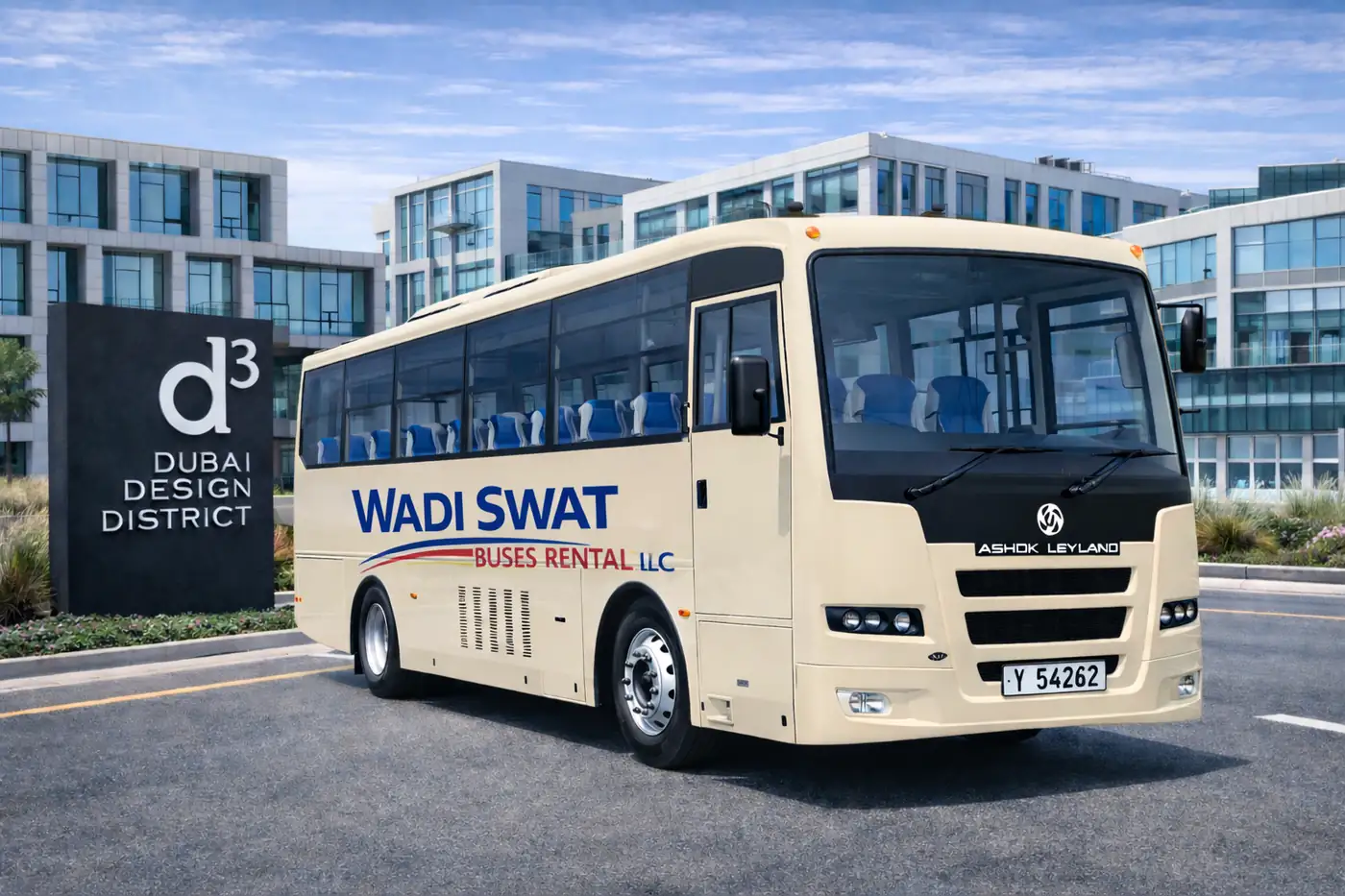
Route planning for Security Guard Transport Solutions across UAE operating conditions
Sector-first planning that connects workforce type, shift timing, route pressure and vehicle fit before pricing.
Shift PatternOff-hour starts, overnight coverage, rotating deployment, emergency replacement windows and weekend-heavy rosters
Route ComplexityMedium to high because routes may cover multiple sites, irregular timing and relief coverage across different zones
Fleet DirectionPassenger vans, minibuses and 35-seater staff shuttles
Industry Overview
Understand the Operating Requirement Before Choosing the Vehicle
Industry transport works best when the route, people, shift model and access conditions are defined before the fleet is assigned.
Security Guard Transport Solutions
Security Guard Transport Solutions explains how security guard transport solutions works in practice across UAE operating conditions, with stronger guidance on route fit, workforce pattern and contract structure.
This page is written for companies that need transport planning shaped around how the sector actually works on the ground. Built for security deployment patterns where off-hour punctuality, relief timing and multi-site coverage define the route structure. It connects the sector problem to the right service family, route logic and fleet decision instead of treating every industry like a generic bus booking.
Why this industry needs its own planning approach
Built for security deployment patterns where off-hour punctuality, relief timing and multi-site coverage define the route structure. The timing, workforce profile, access environment and procurement logic here are not the same as a generic staff route or a one-off rental enquiry.
- Workforce and reporting pattern
- Access and operating environment
- Contract and continuity requirements
Buyer & Workforce Fit
Who Uses This Transport and What the Route Must Achieve
Who this page suits
This page is aimed at operations teams, HR and admin managers, procurement leads, project coordinators and commercial decision-makers who need a buyer-first view of security guard transport solutions before asking for pricing.
Core transport needs in this industry
Typical needs include moving security guards, patrol teams, site supervisors, control-room staff and contract security crews, protecting reporting discipline across off-hour starts, overnight coverage, rotating deployment, emergency replacement windows and weekend-heavy rosters, and making sure origin patterns like staff accommodation, residential pickup points, security company depots and dispersed shift origins connect cleanly to guard posts, compounds, towers, communities, event sites and multi-site security assignments.
Recurring security deployment transport with strict punctuality and route discipline, especially during off-hours
Route Planning
Origins, Destinations, Shift Timing and Access Control
Route design should account for off-hour starts, overnight coverage, rotating deployment, emergency replacement windows and weekend-heavy rosters, the operating geography across communities, malls, towers, hotel districts, industrial gates, compounds and site-based deployment patterns across the uae, and restrictions such as off-hour dispatch, no-fail coverage, multi-site routing, relief timing and sensitive arrival windows around guard handover. That is what keeps the service practical rather than theoretical.
Origins & Pickups
Communities, malls, towers, hotel districts, industrial gates, compounds and site-based deployment patterns across the UAE
- Confirm grouped pickup points
- Avoid unplanned stop growth
- Check inter-emirate origins
Destinations & Sites
Confirm the exact destination, final gate and operating handover for security guard transport solutions.
- Confirm gate or building entry
- Set the exact drop point
- Allow practical walking handover
Shift & Timing
Off-hour starts, overnight coverage, rotating deployment, emergency replacement windows and weekend-heavy rosters
- Fix reporting and return time
- Include overtime or split shifts
- Review weekend and night cover
Access & Continuity
Off-hour dispatch, no-fail coverage, multi-site routing, relief timing and sensitive arrival windows around guard handover
- Record permits and contact persons
- Define waiting and change rules
- Agree backup expectations
Fleet Fit
Match Capacity and Vehicle Type to the Sector Brief
The strongest default fit is usually passenger vans, minibuses and 35-seater staff shuttles. A secondary option is executive vans for supervisors and smaller specialist security teams when headcount, comfort expectations or route shape shift the requirement.
Use the confirmed passenger roster and boarding conditions to verify the primary capacity.
Compare OptionCompare this option when stop density, comfort or passenger growth changes the route brief.
Compare OptionReview every category together when luggage, access or presentation requirements are still undecided.
Compare OptionCommercial Planning
Contract Structure and Quotation Factors
Booking model and quotation flow
The most practical way to price this sector is to confirm workforce type, shift pattern, route geography, access limits and contract term first. That makes it easier to match the service against monthly guard transport contracts, annual security deployment agreements and repeat shift coverage routes.
Share workforce type, route origin, destination environment, shift pattern, passenger count, service frequency, access restrictions and contract term so the right sector transport plan can be reviewed properly.
Details That Shape the Final Price
Passenger profileWho is travelling and how the roster changes.
Route structureDistance, stops, origins, destinations and access.
Shift calendarReporting, return, overtime, weekends and night duty.
Duty hoursDaily driving, waiting, standby and split operation.
Fleet classSeat capacity, comfort, boarding and operating fit.
Contract termOne-time, monthly, annual or project-period support.
Permits & parkingAny gate, authority, parking or staging requirements.
ContinuityBackup expectations and process for approved changes.
Compliance and operations fit
Use only verified wording around licensing, maintenance, driver standards and operating controls. Operationally, buyers should review access control, timing tolerance, boarding order, service continuity and route revision risk before contract sign-off.
Turn the access, timing and operating requirements into one approved start-up and change-control checklist.
- Use verified licensing and compliance wording only
- Confirm route control and site access before start
- Agree the continuity and change process
How to keep the route dependable
The operational brief should account for Recurring security deployment transport with strict punctuality and route discipline, especially during off-hours.
Commercial planning should emphasise route practicality, punctuality and continuity rather than generic quality claims.
Decision Guidance
Where This Page Fits—and When to Compare Another Solution
Security guard deployment and relief movement
This page is strongest when security guard transport solutions needs a repeatable route with clear reporting times and an approved operating brief.
Off-hour and overnight shift transport
Emphasise punctuality, continuity, route practicality and commercial clarity rather than vague quality claims.
Guest hospitality transport
Large labor-camp movement with dense workforce loading
Before You Request Pricing
Plan the Route First, Then Choose the Right Transport Service
Prepare the pickup, destination, timing, passenger count and luggage details first. A complete operating brief allows the team to recommend the right vehicle, calculate duty requirements and prepare a more accurate written quotation.
Route→Schedule→Capacity→Fleet Match→Written Quote
Sector-specific confirmationOff-hour dispatch, no-fail coverage, multi-site routing, relief timing and sensitive arrival windows around guard handover
Define the complete route
List every approved pickup, the final destination and the precise gate or building entrance.
Fix the service timetable
Confirm the date, reporting time, return time, duty hours, waiting and overtime rules.
Count people and luggage together
Share passenger count by shift and include luggage, tools, uniforms or work equipment.
State the vehicle expectation
Mention preferred capacity, comfort level, boarding needs and whether presentation matters.
Confirm the booking pattern
Clarify whether the service is one-time, weekly, monthly, annual or linked to a project term.
Record site and continuity controls
Add access permits, parking or staging, responsible contacts and backup requirements.
1
Route reviewedStops, timing and access are checked.
2
Fleet matchedCapacity and operating fit are compared.
3
Quote preparedThe written scope reflects the real duty.
Industry FAQs
Frequently Asked Questions About Security Guard Transport Solutions
Use these answers to prepare the route, shift and contract brief before requesting pricing.
The most useful starting details are passenger count, workforce type, pickup origin, destination environment, shift pattern, service days, route geography, access restrictions and expected contract term.
The page is mainly written for recurring and commercially planned movement, although some sectors may also need project-based or surge support depending on timing and scale.
It adds the sector-specific operating reality: who is moving, when they report, how access works, what route pressure exists and which fleet types are more practical.
In many cases, yes. Final route flexibility depends on passenger count, operating environment, contract structure and vehicle availability.
Passenger volume, route length, shift timing, number of trips, waiting time, access complexity, fleet type and whether the service is one-off, monthly or contract-based all shape the final price.
The strongest fit is the workforce described for this sector: Security guards, patrol teams, site supervisors, control-room staff and contract security crews. The passenger list should still be checked against the actual route, shift and access environment before a vehicle is assigned.
Confirm the operating pattern in full: Off-hour starts, overnight coverage, rotating deployment, emergency replacement windows and weekend-heavy rosters. Reporting time, return time, overtime, weekend coverage and relief windows can all change the number of vehicles and the route sequence.
Fleet selection follows passenger count, route density, boarding conditions and comfort needs. The source plan identifies Passenger vans, minibuses and 35-seater staff shuttles as the primary direction, with Executive vans for supervisors and smaller specialist security teams as a comparison where the operating brief changes.
It can be reviewed for multi-site or inter-emirate movement when the stops, duty hours and access conditions are provided. The current route context includes Communities, malls, towers, hotel districts, industrial gates, compounds and site-based deployment patterns across the UAE, so practical scheduling must be confirmed before service starts.
Confirm the final passenger roster, approved pickup points, shift calendar, gate or building access, contact persons, waiting rules, backup expectations and the change-control process. The operational constraints include Off-hour dispatch, no-fail coverage, multi-site routing, relief timing and sensitive arrival windows around guard handover.
Final Step
Request a Quote for Security Guard Transport Solutions
The route-first planning module above provides the information needed to review the service scope before a written quotation is issued.
Final deployment remains subject to route review, access conditions, passenger count and fleet availability.
Planning brief readyRoute, schedule and passenger details are prepared.
Fleet direction checkedCapacity and operating conditions are compared.
Written scope confirmedFinal service remains subject to review and availability.