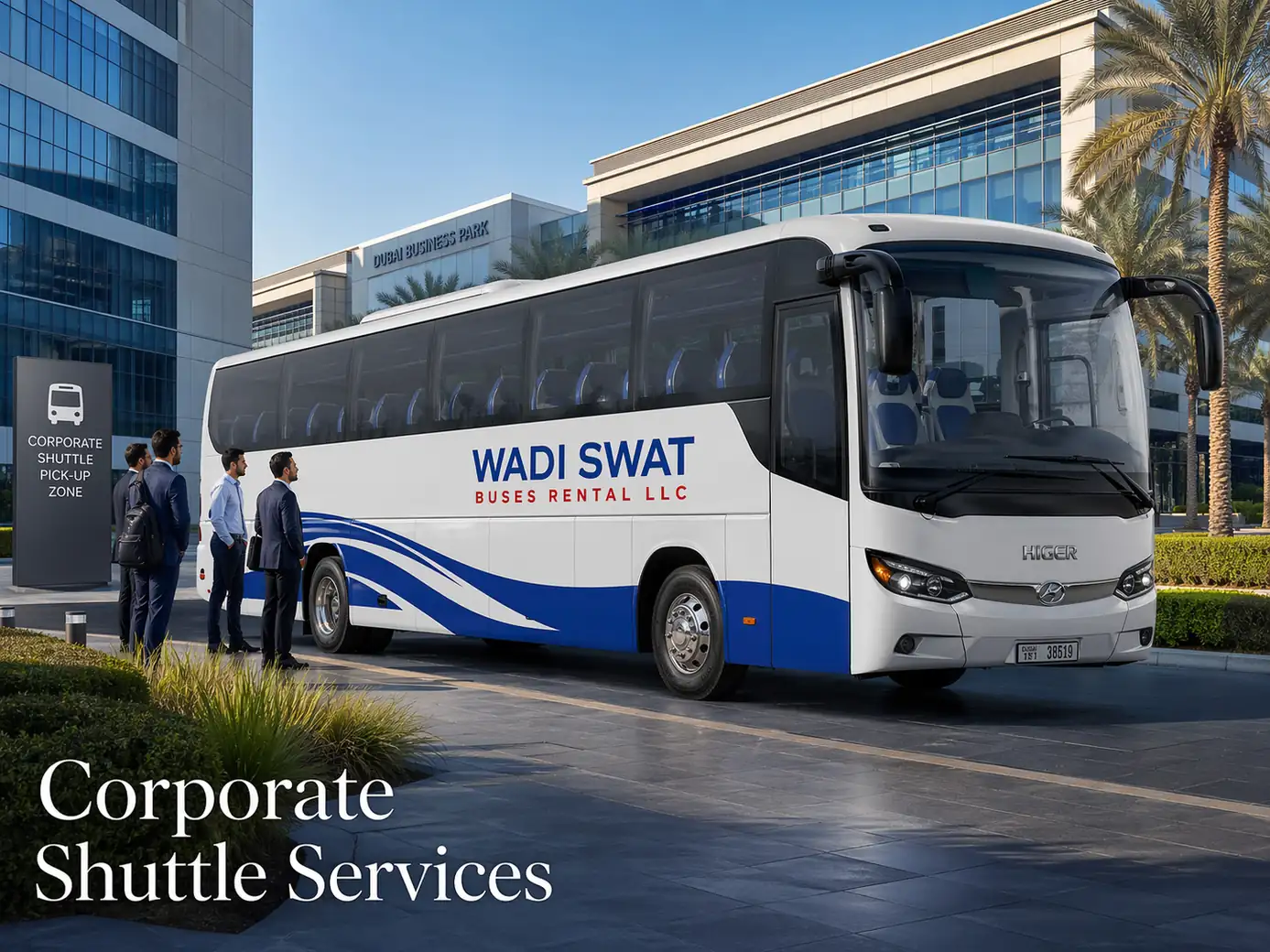
Contract transport solutions
Annual Transport Contract
Annual Transport Contract is designed for organisations that need dependable passenger movement throughout a full operating year. It converts stable routes, several shifts, planned seasonal changes and an agreed annual governance cycle into a written route, vehicle and responsibility plan. The objective is to create a durable service framework that can be budgeted, monitored and adjusted without rebuilding the arrangement every month. Before pricing, the operating days, pickup points, required arrival, return timing, passenger range, site access and contract period must be clear enough for the duty to be assessed realistically.
A dependable arrangement is not created by selecting a bus first. It begins with route evidence, passenger demand and the practical rules of each site. For an annual transport contract, the commercial proposal should state the capacity class, operating window, included duties, customer responsibilities, change process and continuity expectations. This gives both sides a usable reference after service begins.
Defined route and dutyCapacity matched to demandWritten responsibilitiesControlled service changes
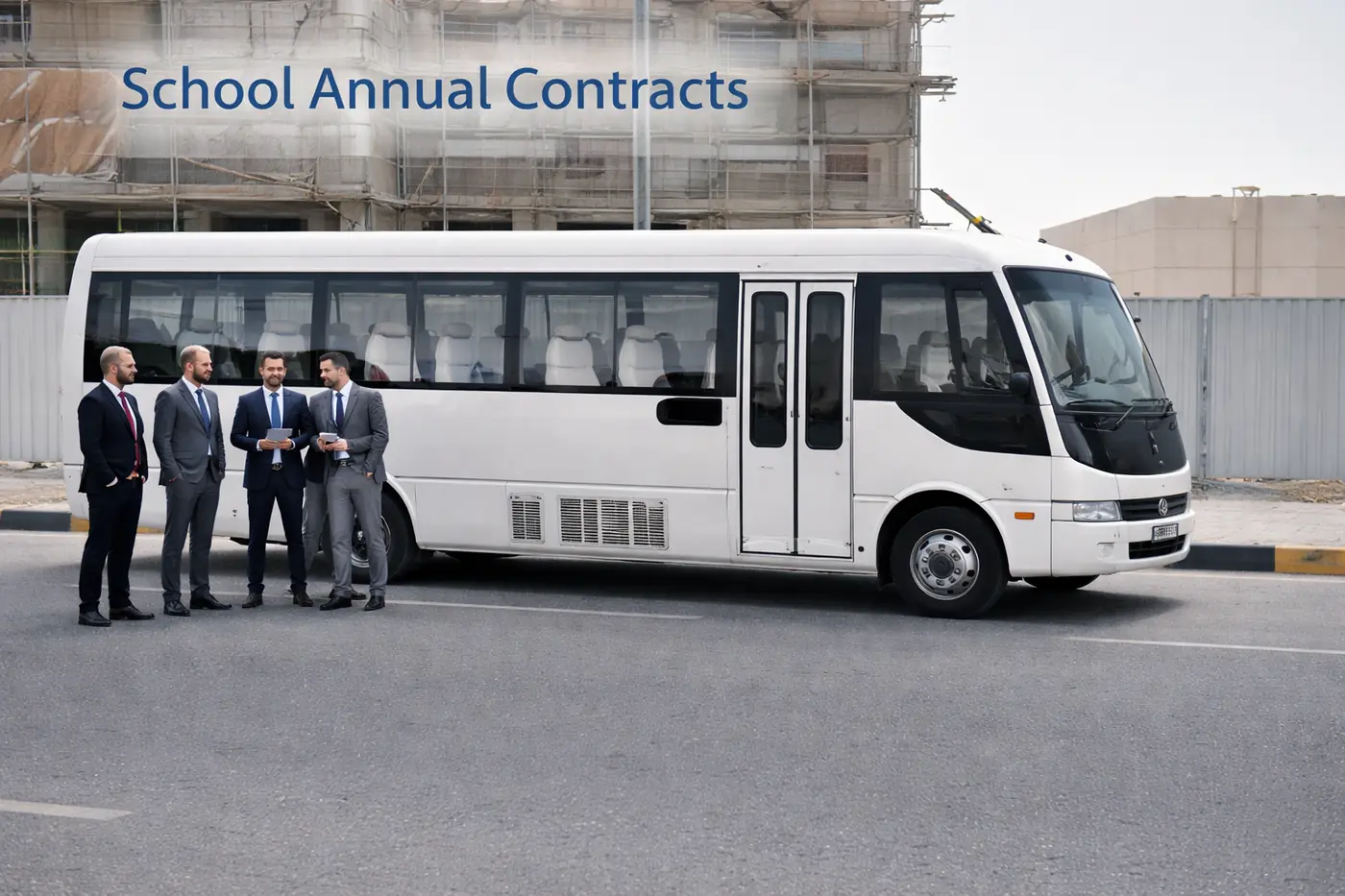
01Contract overview
Daily Pickup and Drop ServiceAnnual Transport Contract UAE: Route and Service Scope
Define passengers, sites, pickup points and the operating route before vehicle selection.
The operating scope for an annual transport contract should describe the complete passenger journey rather than a general promise of transport. It should identify who travels, how often the service runs, where passengers board, the arrival deadline and what happens after the main drop. This is particularly important for corporate offices, industrial operations, hospitality, facilities management, education and multi-site service teams, where missed reporting times can affect a wider operation.
Passenger, Shift and Site Requirements — Annual Transport Contract
Build the passenger profile by duty, not only by total headcount. Separate normal load, peak load, visitors, supervisors, ladies or accessibility needs where relevant. Record the earliest pickup, the required site arrival, the return or second-shift timing and any weekly variation. A route that carries twenty people at one time and forty at another needs a different capacity margin from a fixed daily roster.
Who travels, when and where — Annual Transport Contract
- Normal and peak passenger count
- Shift timetable and required arrival
- Passenger categories and accessibility needs
- Operating days and known variations
Pickup Points, Stops and Required Arrival — Annual Transport Contract
Each pickup and destination needs a usable point, not merely a district name. Add map pins, building entrances, safe waiting areas, gate names and contact details. Where a site controls access, confirm gate passes, driver identification, parking, security procedures and loading restrictions before deployment. These details reduce last-minute calls and help the driver follow one approved route.
Route structure — Annual Transport Contract
Arrange stops in the natural direction of travel and work backwards from the required arrival. Too many small diversions can extend the duty, increase waiting and make every passenger late. The route plan should therefore compare direct pickup, shared meeting points and more than one vehicle when passenger geography is wide. For an annual transport contract, a practical route is one that can be repeated consistently, not only completed once during light traffic.

02Passenger and route planning
Pick and Drop Service DIPVehicle Capacity and Duty Planning — Annual Transport Contract
Match the real peak load, access and complete driver duty to a practical vehicle category.

Vehicle planning for an annual transport contract starts with usable capacity. The registered seating number is only one input; the decision also considers personal items, luggage, step access, journey length, road restrictions, comfort and the possibility of daily variation. The quotation should confirm a suitable vehicle class while allowing the operator to manage availability within the agreed standard.
Vehicle Size, Seating and Access — Annual Transport Contract
Small passenger groups may fit a van, medium teams may require a minibus, and larger or industrial movements may need a staff bus or coach. The best choice is the smallest category that can carry the real peak load safely and comfortably without creating an unrealistic boarding process. A vehicle that is too large may struggle with access, while one that is too small creates crowding or an unplanned second trip.
Best-fit selection — Annual Transport Contract
Driver Hours, Waiting and Continuity — Annual Transport Contract
Driver duty must cover reporting, positioning, passenger boarding, travel, waiting, return and any empty movement between duties. For a twelve-month or similarly defined annual term, the schedule should also leave room for maintenance, legal rest and substitute deployment. A route that appears short on a map can still consume a long duty when it includes several stops, security checks or a long gap between arrival and return.
Operational feasibility — Annual Transport Contract
Operational feasibility is reviewed against the full timetable, not an isolated journey. Confirm whether one vehicle can complete all duties, whether two shifts overlap and whether the vehicle can return to base or another assignment. The continuity plan should state the communication channel, escalation order and replacement approach if a vehicle, driver, road or site issue affects the agreed duty.
03Capacity and duty fit
Vehicle Maintenance ProcessDaily Operations and Service Control — Annual Transport Contract
Control dispatch, communication, changes and continuity through one agreed operating chain.
Daily control turns the contract into a reliable service. The operating team needs a confirmed driver briefing, dispatch record, passenger contact chain and clear rule for reporting changes. For an annual transport contract, consistency improves when routine decisions are agreed in advance and unusual requests are channelled through authorised contacts.
Driver, Dispatch and Communication — Annual Transport Contract
The driver should receive the approved route, reporting time, pickup order, site instructions and responsible contact before dispatch. The customer should nominate people who can confirm passenger or shift changes. The provider should maintain the operational record and communicate any material delay early enough for the customer to respond, rather than waiting until the required arrival has already been missed.
Duty management — Annual Transport Contract
Changes, Delays and Replacement Support — Annual Transport Contract
Changes should be classified as minor operational updates or commercial changes. A temporary passenger absence may not alter the route, while a new stop, additional shift, longer waiting period or different destination can affect distance, hours and capacity. The agreed process should show who may request a change, who approves it, when it becomes effective and whether the quotation or invoice must be revised.
Escalation process — Annual Transport Contract
When an incident occurs, the first priority is safe passenger handling and a clear update. The escalation chain should identify the driver, dispatcher, account contact and customer representative. If replacement transport is needed, the provider assesses the available suitable category and expected response. Any service-continuity commitment should be read together with the contract, operating conditions and actual availability.
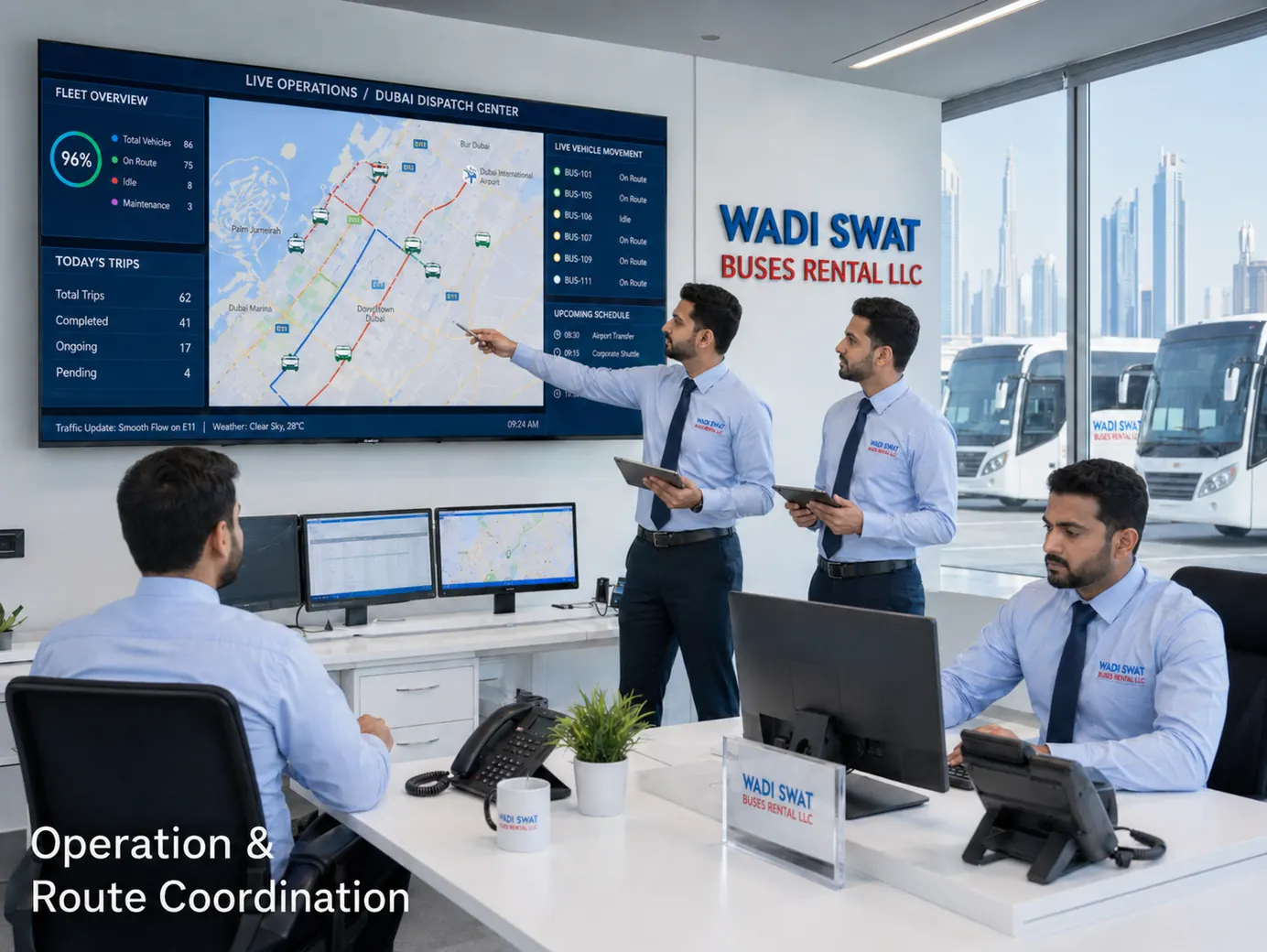
04Operations and continuity
Insurance CoveragePricing, Permits and Contract Responsibilities — Annual Transport Contract
Build the quotation from the full duty and record permits, commercial assumptions and responsibilities.
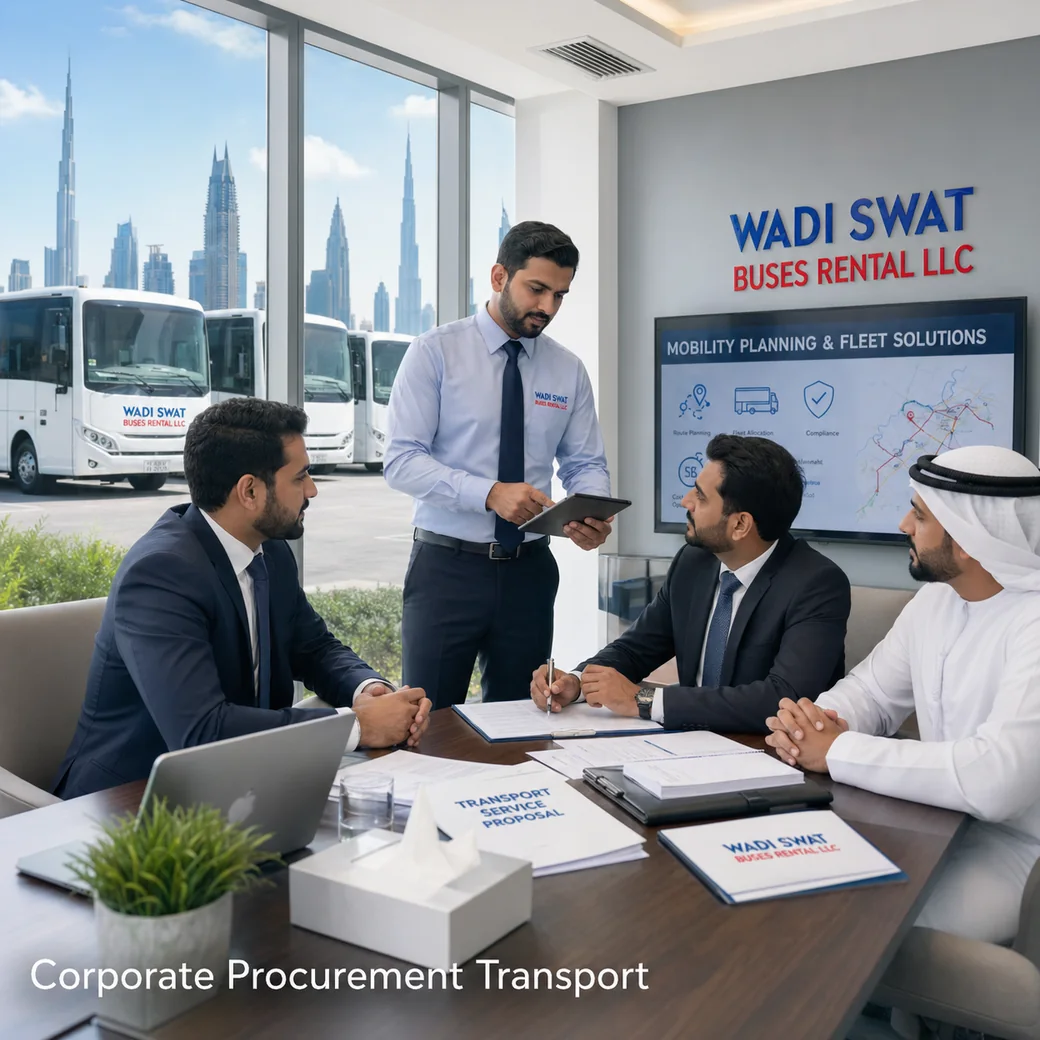
The price for an annual transport contract is built from the defined duty. Distance alone is not enough. Operating days, driver hours, stop density, vehicle category, waiting, tolls, parking, permits, access requirements, additional trips and contract duration can all change the commercial result. A written quotation is therefore the correct place to confirm inclusions and exclusions.
What Affects the Quotation — Annual Transport Contract
Provide one complete information set: start date, a twelve-month or similarly defined annual term, service days, shift times, exact stops, required arrival, passenger range, vehicle expectations, waiting, return movement and site rules. This allows the supplier to calculate the actual duty and identify assumptions. If a requirement is still uncertain, it should be marked as provisional rather than hidden inside a fixed price.
Distance, days, hours and extras — Annual Transport Contract
Distance and routeDays and driver hoursStops and waitingCapacity and extra tripsTolls and parkingPermits and access
Customer and Supplier Responsibilities — Annual Transport Contract
The customer normally supplies accurate passenger and route information, suitable boarding points, site permissions, timely change notices and any agreed parking or accommodation arrangements. The provider normally supplies the agreed vehicle category, professional driver, maintenance, standard operating documents and the continuity measures written into the offer. The final contract should state the exact allocation instead of relying on industry assumptions.
Permits, parking and access — Annual Transport Contract
Permit and access needs depend on the authority, route, free zone, industrial gate, venue or building. Some documents are vehicle- or driver-related, while others require customer sponsorship, site registration or advance gate-pass data. Parking, staging, tolls and restricted pickup points should be discussed before the service starts, because they can affect both timetable and price.
05Commercial responsibilities
Vehicle Maintenance ProcessOnboarding and Booking — Annual Transport Contract
Convert the approved offer into a route file, contact matrix, launch plan and controlled start.
Onboarding for an annual transport contract should convert the approved quotation into an operating file that drivers, dispatchers and customer contacts can use. The file should include the route map, duty timetable, passenger range, vehicle class, contact matrix, site rules, commercial scope and change procedure. This is also the point to confirm monthly operating summaries, incident records, route-change approvals and scheduled performance reviews.
Documents and Information Required — Annual Transport Contract
The enquiry should include company and contact details, exact map pins, service dates, shift schedule, passenger count by duty, pickup order, site access requirements and any purchase-order or invoicing process. Where the route serves controlled facilities, provide gate-pass information early. Clear documents reduce the risk of a vehicle being ready while the site or commercial approval is still incomplete.
Contract setup — Annual Transport Contract
- Approved quotation and commercial scope
- Route map, timetable and passenger range
- Vehicle category and driver duty
- Contact and escalation matrix
- Site, permit and invoice requirements
Trial Route, Confirmation and Start Date — Annual Transport Contract
A route survey or trial can confirm travel time, safe boarding, gate procedure and whether the proposed stop order is realistic. It is especially valuable when the route is new, the arrival window is tight or the project uses unfamiliar sites. Once the result is accepted, both sides confirm the final timetable, service standard, start date and the process for later changes.
Deployment steps — Annual Transport Contract
The recommended launch sequence is a route survey, a controlled trial where needed, final commercial approval and a documented annual start plan. Early days should be monitored closely so that pickup behaviour, passenger numbers and site timing can be compared with the plan. Any adjustment should be documented and communicated to the driver and passengers. This creates a stable operating baseline rather than allowing the route to change informally each day.
06Onboarding and launch
Insurance CoverageFrequently Asked Questions
Answers about service fit, vehicle choice, quotations, access and continuity.
01What is Annual Transport Contract UAE best suited for?
Annual Transport Contract is best suited to organisations that need dependable passenger movement throughout a full operating year. It works when the route, passenger demand, operating calendar and decision contacts can be defined clearly. The service is particularly useful where repeated transport must be controlled through one written scope rather than arranged trip by trip.
02Which vehicles can be used for Annual Transport Contract UAE?
The vehicle may be a passenger van, minibus, staff bus or coach, depending on peak passengers, luggage or personal items, route access, journey length and comfort. The quotation should confirm the capacity class and service standard. A specific model should not be treated as guaranteed unless it is expressly written into the approved offer.
03What information is required to quote Annual Transport Contract UAE?
Provide exact pickup and destination pins, passenger numbers by duty, operating days, shift or reporting times, waiting, return movement, contract period, site-access rules and responsible contacts. For an annual transport contract, also identify known changes, peak periods and any purchase-order, permit or reporting requirements.
04What affects the price of Annual Transport Contract UAE?
Price is affected by vehicle category, distance, operating days, driver hours, stop density, waiting, tolls, parking, permits, access, extra trips, contract duration and availability. A written quotation should show the defined route, assumptions, inclusions, exclusions and the process for commercial changes.
05Are permits, parking or access approvals needed for Annual Transport Contract UAE?
They may be. Requirements depend on the authority, building, industrial site, free zone, venue and route. The customer should confirm site sponsorship, gate-pass and parking conditions, while the supplier confirms the vehicle and driver documents it can provide. These points should be settled before the start date.
06How are changes, delays or replacement vehicles handled for Annual Transport Contract?
Changes are sent through the agreed contact and assessed for route, hours, capacity and price. Delays are communicated through the escalation chain. If a breakdown affects an annual transport contract, the provider follows the continuity and replacement process written in the contract, subject to safety, suitability and actual fleet availability.
Ready for route review
Prepare a complete route brief for Annual Transport Contract
Send the operating days, map pins, shift times, passenger range, waiting, contract period and site rules so the requirement can be reviewed against a practical vehicle and written scope.