
Event Transport Services
Event Transport Services for Venues, Conferences and Group Movement
🎫When guests, delegates, teams or attendees must arrive together and leave without confusion, event transport needs more than available vehicles. Swat Transport supports event organizers, venues, hotels, agencies and corporate planners with driver-included buses, minibuses and luxury coaches planned around venue access, arrival windows, guest flow and return movement across Dubai and the wider UAE.
🚌The strongest event transport plan starts with real event conditions: guest count, pickup points, hotel links, parking areas, venue gate, first arrival target, waiting time, departure waves, fleet style and coordinator contact. A clear plan reduces last-minute pressure, keeps the event schedule controlled and gives your team a cleaner commercial basis before requesting the final quote.
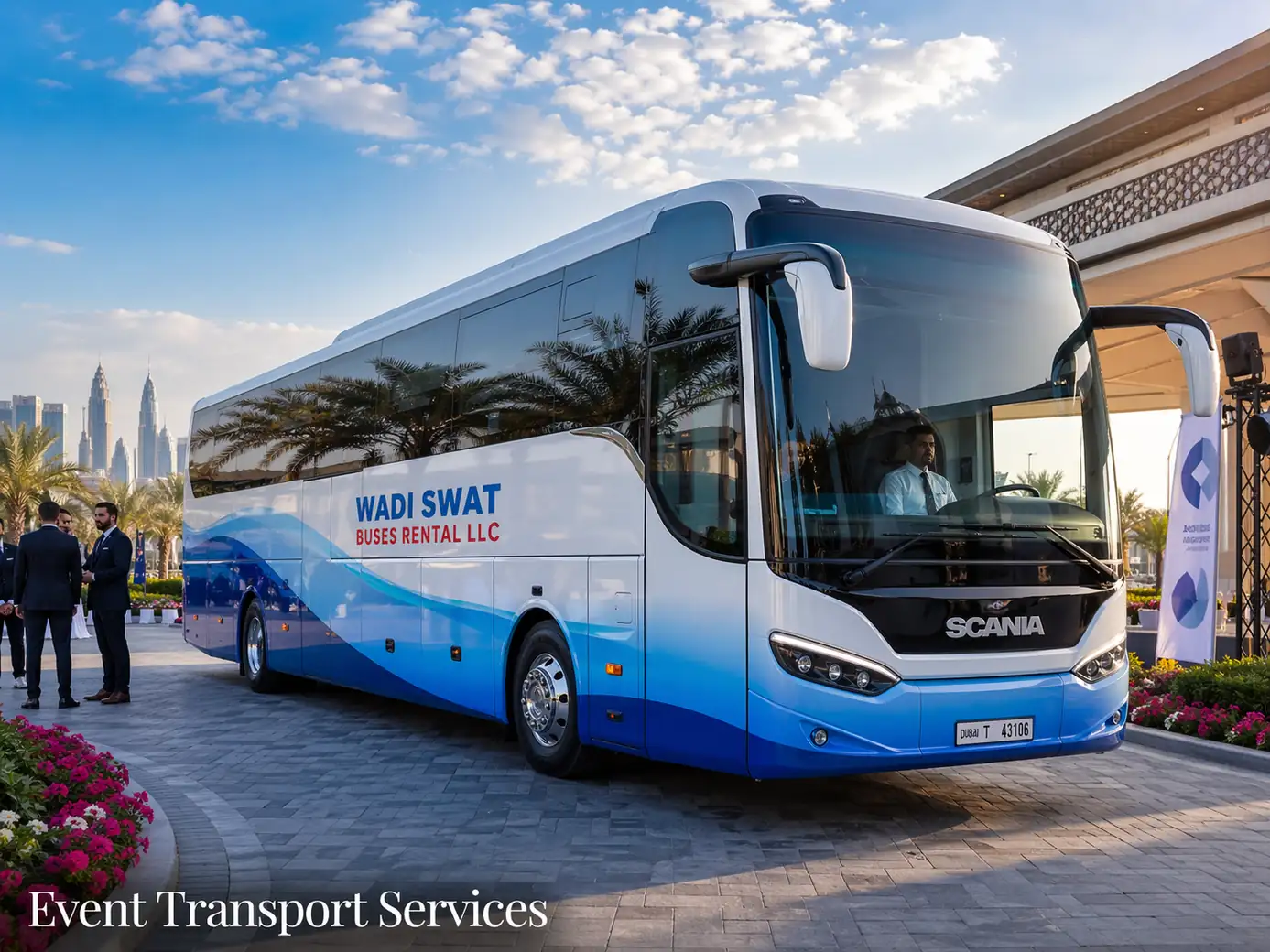
What Was Improved for the Event Transport Page
The previous event page had a useful structure, but it was too short, too generic and too close to a templated service outline. It mentioned event transport, venue access and fleet choice, but it did not speak strongly enough to the real buyer: a planner who needs guests moved on time, a venue team trying to manage access, a hotel coordinating guest movement, or a company approving transport for a function.
This rebuild gives the page a stronger commercial voice. It removes catalogue-style wording, uses one clean hero image, adds clearer route and quote language, supports the latest linking direction and uses image URLs from the approved image list. The content now explains how event transport is actually bought: guest count, pickup windows, venue gates, waiting time, vehicle tone, route waves, coordinator contact and final approval scope.
The first screen stays clean and avoids visual clutter.
Fleet and venue proof are organized in a 3 + 3 layout.
The copy speaks to planners, venues, hotels and approval teams.
Natural keyword distribution supports event transport intent.
Event Transport Services Should Protect Timing, Guest Flow and Venue Access
Event transport is judged by what happens on the event day. Guests do not remember the transport plan document, but they notice if arrival is late, the pickup point is unclear, the bus cannot reach the gate, or the return movement feels confused. That is why event transport should be planned from the venue outward: where people gather, how they arrive, which entrance is approved, how long boarding takes and how the return will be handled when the event ends.
For a conference, guests may arrive from hotels, offices, parking zones or airports. For a corporate dinner, the priority may be timing and presentation. For a public-facing event, the challenge may be staged arrivals and high-volume end-of-event departures. For a multi-day program, the transport plan needs repeatable timing. A strong event transport service brings these details together before the vehicle mix is confirmed.
Best for planners who need timing, arrivals and returns to feel controlled.
The route should match the approved gate, coach bay, hotel lobby or parking pickup point.
Real planning reduces late arrivals, scattered pickups and unclear departure waves.
What a Strong Event Transport Plan Must Get Right
Confirm the Real Gate, Lobby or Coach Bay
A venue name alone is not enough. Event transport needs the actual access point: hotel lobby, ballroom entrance, exhibition hall gate, parking shuttle point, coach bay, airport terminal, office tower pickup or outdoor event gate. The right access point affects vehicle size, loading time and whether passengers can board safely without blocking traffic.
For large events, staging is often more important than distance. A short route can still fail if the bus cannot stop, if guests do not know the pickup point or if the venue does not allow buses near the entrance. A clear access note makes the quote stronger and the live service calmer.
Plan Around How Guests Actually Move
Some events need one organized arrival. Others need waves: staff arrival, VIP arrival, attendee arrival, dinner transfer and late return. The transport plan should match the event rhythm. If everyone leaves at once, return capacity matters. If departures are staggered, the service may need shuttle loops or timed returns.
Good event transport also protects the planner from avoidable calls during the busiest moments. If guests know the meeting point, the driver knows the route and the coordinator knows the return plan, the service can support the event quietly instead of becoming another issue to manage.
- Confirm hotel lobby, venue gate, coach bay, parking zone or approved gathering point.
- Share passenger count by pickup point, not only the total number of attendees.
- State the first arrival target, waiting period, return time and expected departure waves.
- Choose vehicle style according to event tone, guest count, access and budget.
- Separate VIP or speaker movement from general attendee transport where needed.
- Give one event coordinator contact for driver communication on the event day.
Event Fleet Options Should Match Guest Count, Venue Access and Event Tone
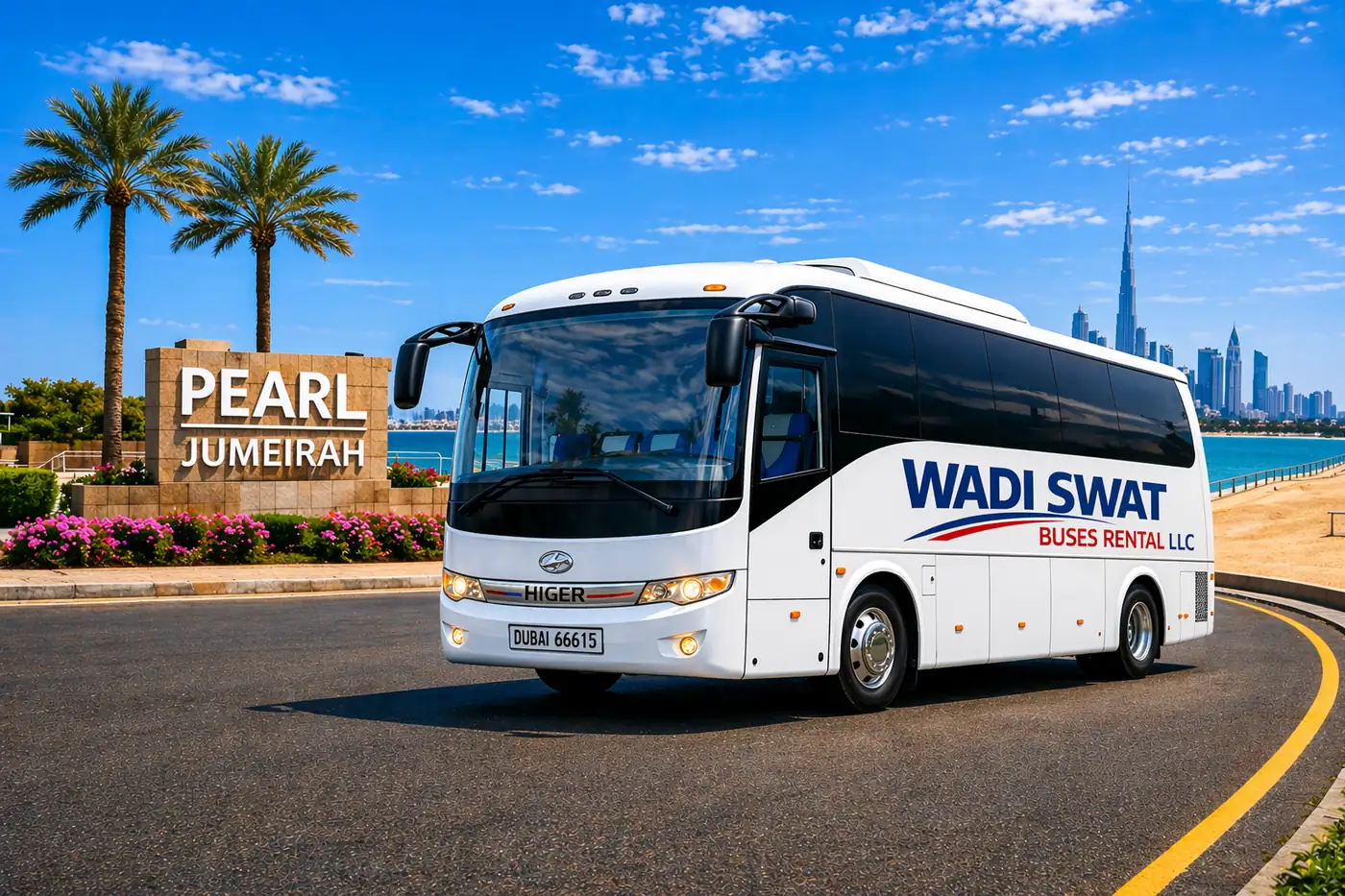
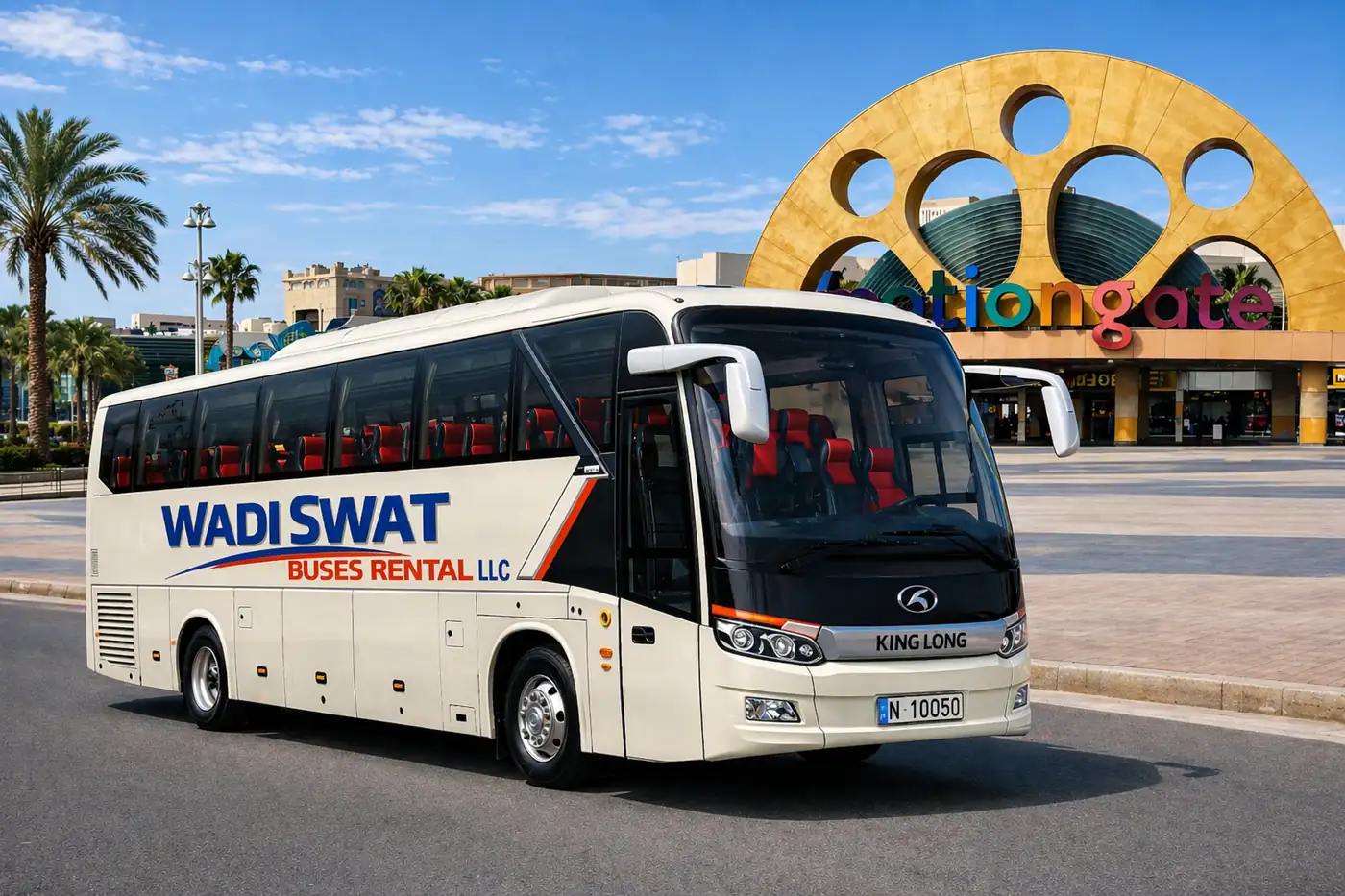
Event fleet selection should start with the movement pattern, not the biggest available bus. A compact guest group may need a 30 seater minibus. A premium conference group may need a 35 seater luxury bus. A larger attendee movement may need a 50+ seater coach to reduce vehicle count and keep arrivals coordinated. The right vehicle is the one that protects the event schedule while matching the expected presentation.
Use Event Fleet when you want to review polished bus options for group movement. Use Bus Rental Rates when the approval team needs pricing context. For related event formats, compare Exhibition Shuttle Services or Wedding Transport Services only when that is the real occasion.
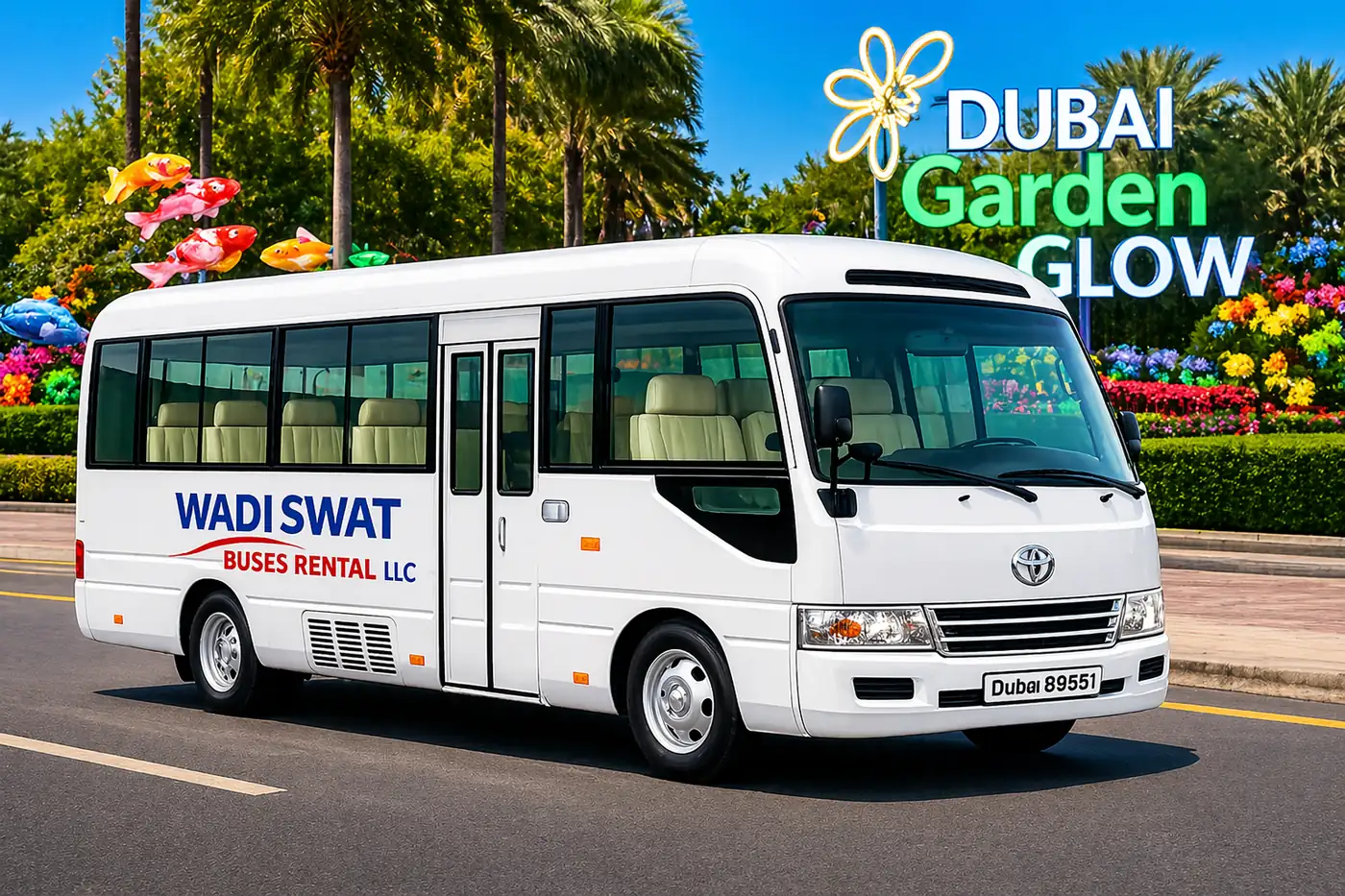
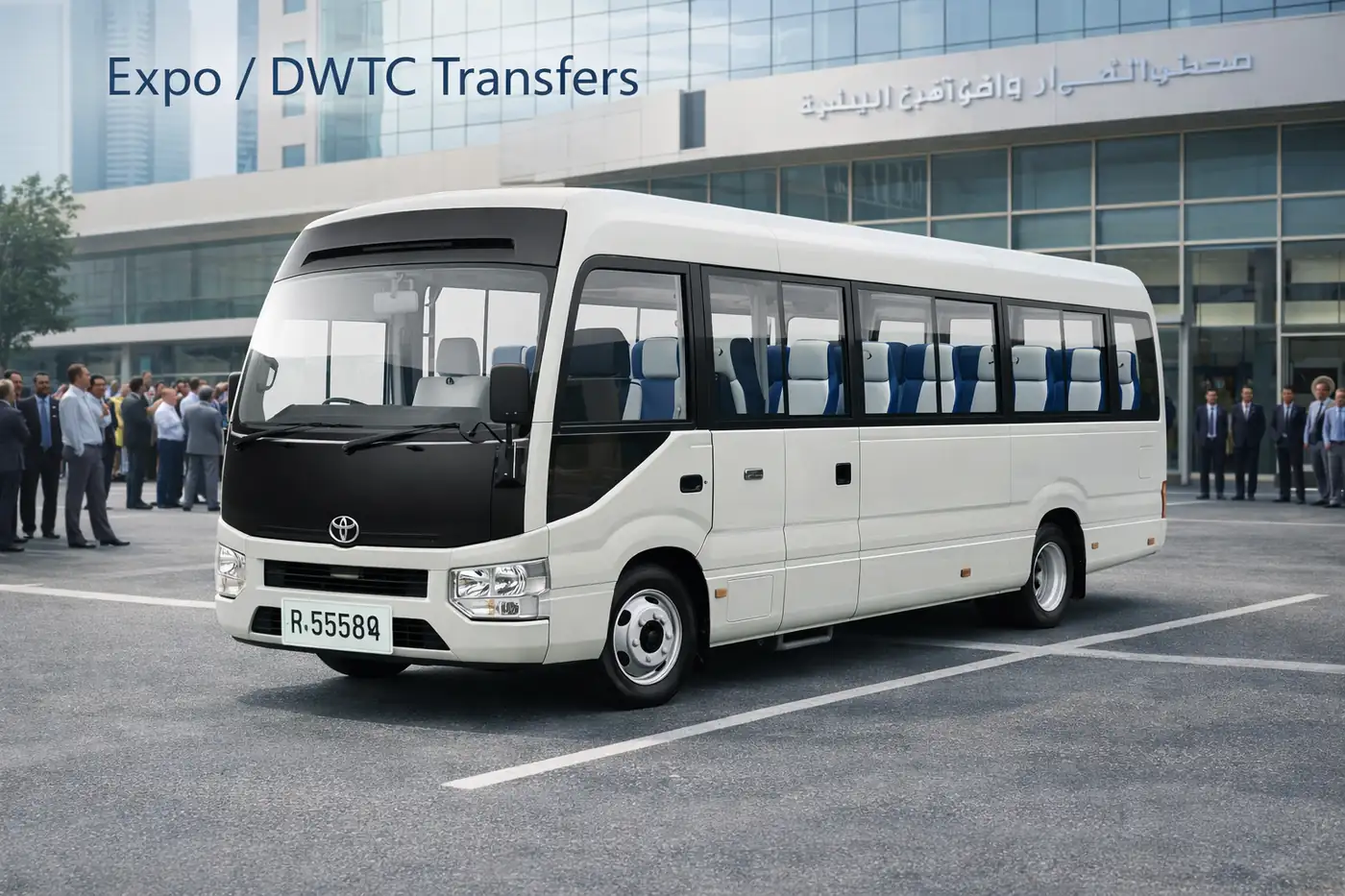
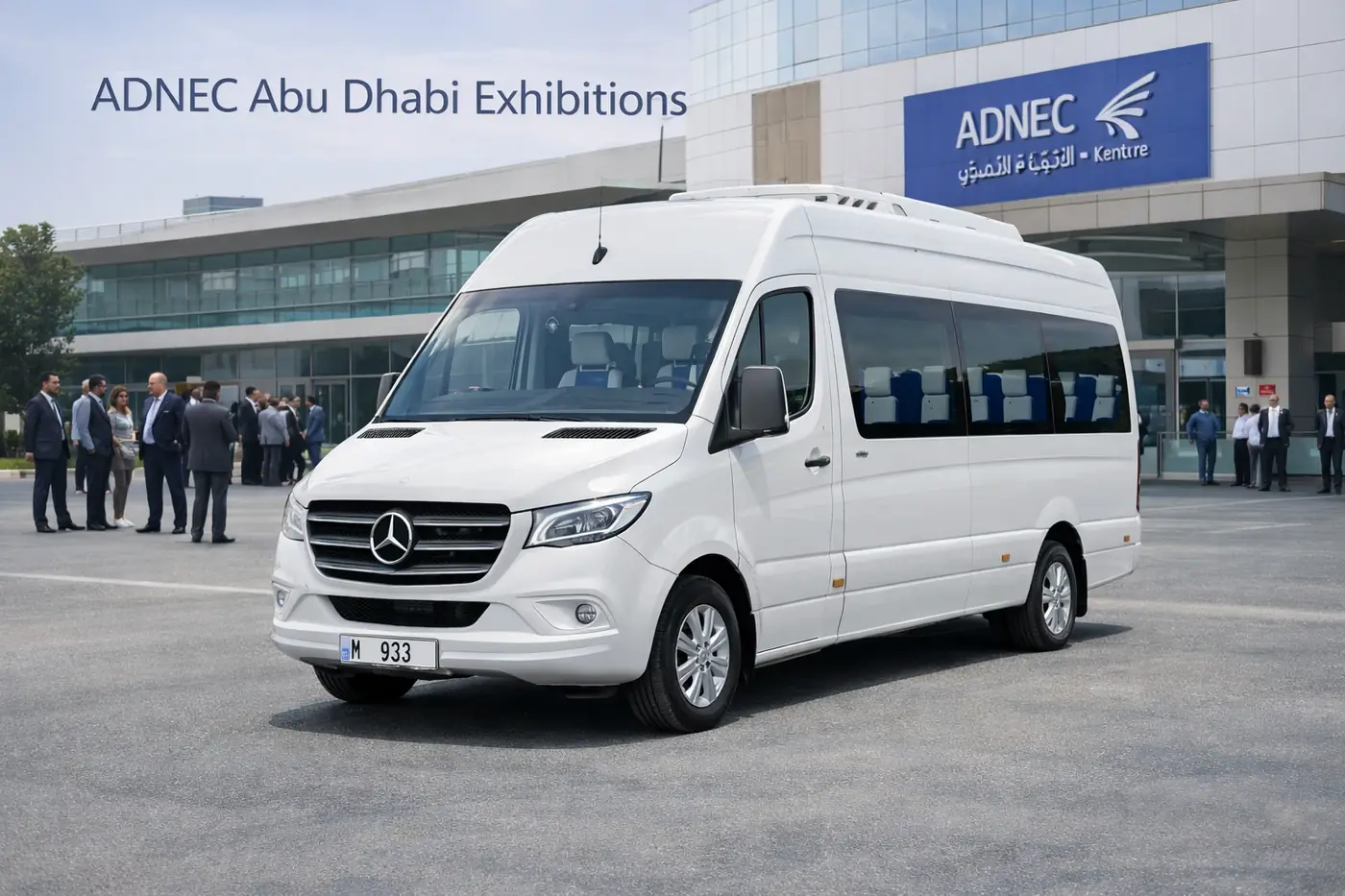
Best for compact attendee groups, hotel-to-venue shuttles and controlled short-route movement.
A polished choice when presentation, guest comfort and medium-capacity movement matter together.
Well suited for larger event groups where capacity, appearance and fewer vehicle movements are important.
Event Transport Pricing Should Be Compared on the Same Route Scope
Event transport pricing becomes unclear when each quote assumes a different service. One quote may include waiting time, another may only include a one-way transfer, and another may assume a smaller vehicle or fewer trips. Before comparing prices, make sure every provider is pricing the same pickup points, same venue gate, same event hours, same return plan and same vehicle style.
A useful event transport quote should show the service basis clearly: route, passenger count, vehicle type, number of trips, timing, waiting scope and the coordinator details needed on the day. If the event has several movements, list them in sequence. That gives the transport team a realistic operating view and gives procurement a fairer way to compare proposals.
| Quote factor | Why it matters commercially | What you should send |
|---|---|---|
| Guest count and fleet mix | The number of attendees and desired presentation control whether a minibus, luxury bus or coach mix is more suitable. | Passenger count by pickup point, VIP needs and preferred vehicle category. |
| Venue access and route distance | Access restrictions, coach bays and travel time affect driver scheduling and vehicle selection. | Venue name, exact gate or lobby, pickup addresses and map pins. |
| Waiting time | A vehicle that waits during the event is priced differently from a drop-off and later return pickup. | Expected waiting period, holding area and whether the same group returns. |
| Arrival and departure waves | Several arrival or return waves may require shuttle loops, additional vehicles or longer service hours. | Arrival windows, return windows and expected passenger split by wave. |
| Event duration | Multi-hour and multi-day events need a clearer duty-hour and availability review. | Event dates, service hours, daily schedule and coordinator contact. |
Who Benefits Most From Event Transport Services
Planners, Venues, Hotels and Corporate Teams That Need Calm Guest Movement
Event transport is strongest when the transport need has timing pressure, a defined venue, a guest group and a schedule to protect. Event agencies use it when they want arrivals to feel organized. Hotels use it when guests need shuttle support. Companies use it when staff, guests or delegates are travelling to a conference, dinner, launch or outdoor event. Venues use it when access and parking pressure need to be reduced.
The service is also useful when the event team wants fewer day-of transport calls. Once the route is approved, the guest pickup point, vehicle size, driver timing and return plan are clear. That gives the coordinator more control and helps the event run with fewer interruptions.
When Another Service May Fit Better
If the movement is tied to an exhibition venue, repeated hall access and exhibitor or attendee loops, Exhibition Shuttle Services may be more precise. If the occasion is a wedding with family and reception movement, Wedding Transport Services may be better. If the route is only airport-to-hotel, Hotel Transfer Services can support that narrower requirement.
Event transport should be selected when the main issue is organized group movement around a function, venue, timing window or guest-flow plan.
Event Transport Across Dubai, Abu Dhabi, Sharjah and the UAE
Event transport demand in the UAE often connects hotels, venues, offices, airports, parking areas, conference halls, exhibition centers, entertainment areas and outdoor sites. Dubai routes may involve Dubai World Trade Centre, Expo City Dubai, Downtown Dubai, Business Bay, Dubai Marina, JBR, Palm Jumeirah, Dubai South, Jebel Ali or airport corridors. Abu Dhabi routes may involve ADNEC, Yas Island, Saadiyat Island, Corniche hotels or corporate venues. Sharjah and Ajman routes may connect guests to Dubai or local venue locations.
For a Dubai-focused requirement, compare the wider Bus Rental Dubai route context with the event-specific timing. For venue-focused passenger service, the pickup and staging details should come before the final vehicle choice. Event transport is usually a planning decision first and a fleet decision second.
Best planned with gate details and guest arrival waves.
Useful when longer timing windows need clear return planning.
Traffic exposure should be considered before event timing is approved.
Clear schedules help protect cost, capacity and arrival discipline.
Event Transport Around DWTC, Expo City, ADNEC, Yas Island and Hotel Venues
Venue type changes the transport plan. Dubai World Trade Centre style events often need hotel shuttles, exhibition-day arrivals, return waves and clear coach-bay instructions. Expo City Dubai, Dubai South and large outdoor venues may need more attention to parking transfer points, walking distance and guest guidance. Hotel ballroom events usually depend on lobby access, valet pressure, pickup timing and whether the vehicle can wait near the hotel or must return later.
Abu Dhabi event routes can create different timing needs. ADNEC, Yas Island, Saadiyat Island and hotel-based venues may involve longer travel windows, intercity guest movement or return plans that run after dinner, entertainment or conference sessions. For events that bring guests from Dubai to Abu Dhabi, Sharjah to Dubai or several hotels into one venue, the route should be reviewed like an operating schedule: first pickup, second pickup, arrival target, holding point, return trigger and final drop-off sequence.
The best result comes when the event team treats transport as part of the guest experience. Guests should not be left guessing where the bus is, which gate to use or when the last return leaves. A polished event transport plan gives people fewer decisions to make and gives organizers fewer urgent calls to answer while the event is live.
What Makes an Event Transport Provider Easier to Work With
A strong event transport provider should make the service easier to approve, easier to explain and easier to run on the day. That means a clear quote scope, suitable vehicle mix, driver-included service, practical route notes, communication with the coordinator and a plan that reflects the actual event schedule. Vague promises are less useful than exact pickup points, timing windows and vehicle direction.
Swat Transport supports event transport with practical route review, UAE-wide passenger movement experience and a fleet direction that can be matched to guest count and presentation. Before final approval, you can also review FAQs and Trust Standards, the wider fleet overview and Contact Us options if your planning team needs more clarification.
Planned around practical guest movement, arrival windows and return scope.
Named contacts reduce confusion around arrival, staging and return waves.
The fleet should match guest count, access conditions and event tone.
Written route details help the day run with fewer transport surprises.
Event Transport Planning for Conferences, Corporate Functions and Venue Shuttles
Different event types need different transport pressure points. A conference usually needs morning arrivals, evening returns, hotel links and a predictable delegate flow. A product launch may need more presentation, a cleaner vehicle appearance and a tighter arrival sequence for invited guests. A gala dinner may need VIP separation, late-night returns and a route that keeps guests comfortable after the event ends. A public-facing outdoor event may need parking shuttles, repeated loops and clearer signs or coordinator messages for guests.
That is why the event transport discussion should not begin with “how many buses are available?” The better starting point is the event schedule. When does the venue open? When should the first guests arrive? Will guests come from one hotel, several hotels or private pickup points? Will the return happen once, or in several waves? Is the vehicle expected to wait, return later, or operate as a shuttle loop? These questions shape the route, cost and vehicle selection more accurately than a simple seat-count request.
Useful for dinners, award nights, product launches, team events and management gatherings.
Works best when pickup waves, registration timing and venue gates are clear.
Suitable where guests need a clear shuttle between holding points and the event venue.
Helpful when family groups, guests or invited attendees need a polished transfer plan.
Small Event Transport Details That Can Create Big Day-of Problems
Many event transport problems start with small missing details. The planner may have the venue name but not the bus access gate. The guest count may be confirmed, but not the count by pickup point. The event end time may be known, but the actual return pattern may be unclear. A quote can look acceptable at the approval stage and still become difficult on the event day if these details are missing.
The best event transport plan removes uncertainty before the service begins. Guests should know where to meet. Drivers should know where to stop. The coordinator should know who to call. The provider should know whether the bus waits, returns later or operates in loops. When these details are confirmed, the transport service becomes calmer, easier to manage and more aligned with the guest experience your event needs.
- Do not approve a quote without confirming the exact gate, lobby, coach bay or parking pickup point.
- Do not compare prices unless the same waiting time, return time and route scope are included.
- Do not place VIP guests and general attendee movement into one route if timing or privacy is different.
- Do not rely on one total guest count when different pickup points need different vehicle planning.
- Do not leave return instructions until the end of the event; return timing should be part of the first brief.
- Do not select vehicle size without checking venue access, turning space and approved passenger loading areas.
How to Request Event Transport Without Losing Time
The fastest route to a useful quote is a practical message. Send the event name, venue, guest count, pickup points, arrival time, return time, vehicle preference, event duration and coordinator details. Add any venue access note, parking instruction, hotel lobby requirement or VIP movement if it matters. If the final schedule is still changing, share the current plan and mark which items are not final yet.
Once the route basis is available, the team can suggest a suitable fleet direction, explain price drivers and help you decide whether a 30 seater minibus, 35 seater luxury bus, 53 seater luxury coach or mixed fleet is the better route. For urgent approvals, use the Request a Quote page or send a direct note through Contact Us.
“We need event transport for 120 guests from two hotels to [venue name], first arrival by 6:30 PM, event ends at 11:00 PM, return in two waves, coach bay access available, luxury bus preferred. Please quote with driver, vehicle size and route basis.”
Frequently Asked Questions About Event Transport Services
These answers support planners, venues, hotels and company teams comparing event transport for conferences, functions, guest shuttles, venue transfers and scheduled group movement.
What details should I send for an accurate event transport quote?
Send the event date, venue name, guest or attendee count, pickup points, arrival window, return time, expected waiting period, preferred vehicle type and one coordinator contact. Event transport quotes become much more accurate when the transport team understands the real movement pattern, not only the number of passengers. If guests arrive in waves, if parking is separate from the venue, or if hotel pickups are involved, share those details before approval.
Which vehicle type is best for event transport services?
The best vehicle depends on guest count, access space, event tone and route timing. A Toyota Coaster 30 seater mini bus can suit compact guest movement and hotel-to-venue transfers. A Higer 35 seater luxury bus can support a more polished group arrival. A Kinglong 53 seater luxury bus is useful when the event needs more capacity, fewer vehicles and a stronger large-group movement plan.
How early should I book transport for a major event?
Book as early as possible when the event has strict arrival windows, multiple pickup points, high guest numbers or a venue with access controls. Early planning gives more time to check vehicle availability, confirm staging points, review route timing and align the transport plan with the event schedule. Short-notice requests can still be reviewed, but the best event transport setups are usually approved before the pressure of event week.
Can event transport include hotel-to-venue shuttle service?
Yes. Hotel-to-venue shuttle service is one of the most common event transport requirements. It works well when attendees are staying in the same hotel, nearby hotels or a designated accommodation area. The route should show the hotel lobby or bus pickup side, the first departure time, the arrival target and the return plan after the event. That keeps the service easy for guests and easier for the planner to manage.
Can one event transport plan include several pickup points?
Several pickup points can be included when the timing remains practical. The key is to group pickup points intelligently and avoid a route that becomes too long before the event even starts. Share guest count by pickup point, not only the total number. The transport plan can then decide whether one vehicle, multiple vehicles or shuttle waves will protect the event arrival window better.
How is event transport different from exhibition shuttle services?
Event transport covers a wider range of functions, corporate gatherings, launches, conferences, dinners, venue transfers and private events. Exhibition shuttle services are more specific to exhibition-style venue circulation, visitor movement and exhibitor schedules. If the movement is built around an exhibition venue, exhibitor timing and repeated venue loops, the exhibition shuttle page may be more accurate. If the movement is broader, event transport is usually the better fit.
How is event transport different from wedding transport?
Wedding transport is more occasion-specific and usually gives more attention to family movement, guest presentation, ceremony timing and reception returns. Event transport is broader and can support conferences, corporate functions, launches, public-facing gatherings and venue shuttle plans. Both services need timing discipline, but the wedding plan usually carries a more personal presentation requirement while event transport focuses more on attendee flow and venue operation.
What affects event transport pricing most?
The main price drivers are guest count, vehicle type, route distance, number of pickup points, waiting time, event duration, return timing, service hours and whether the service is direct or shuttle-based. A single one-way transfer is very different from a multi-hour venue shuttle with repeated loops. For fair price comparison, every quote should use the same route, time window, vehicle class and return scope.
Can Swat Transport support multi-day events?
Multi-day event transport can be reviewed when the daily schedule, venue pattern and expected attendee count are clear. Multi-day service is often easier to manage when each day has a written route plan: pickup times, vehicle count, destination, return windows and coordinator contact. This helps planners avoid daily confusion and gives the transport team a practical operating reference throughout the event period.
Can event buses wait at the venue?
Waiting can be included when the quote scope confirms it in advance. Some events need a vehicle to wait between arrival and return, while others only need a drop-off and later pickup. Waiting time affects driver hours, parking arrangements and pricing. Share the expected waiting period and venue holding area before approval so the quotation reflects the actual service expectation.
What makes an event shuttle route reliable?
A reliable event shuttle route depends on clear pickup points, realistic travel time, confirmed staging space, suitable vehicle size, a named coordinator and return instructions that guests can understand. Reliability is not created by the vehicle alone. It comes from matching guest flow, venue access and timing pressure before the event starts.
Can event transport include airport or hotel arrivals?
Yes, event transport can connect airport arrivals, hotels, venues and return transfers when the timings are shared clearly. For airport-linked movement, share arrival windows, group size, luggage expectation and whether guests are travelling directly to the venue or to hotels first. For hotel-linked movement, provide lobby or coach bay details so the pickup remains organized.
What should the planner confirm before event day?
Before event day, confirm the final guest count, pickup points, venue gate, driver arrival time, coordinator contact, return schedule, waiting scope and any venue access instructions. It is also useful to share parking or coach-bay details if the venue has rules for buses. A final confirmation reduces confusion during the busiest moments of the event.
Is event transport suitable for corporate events and conferences?
Yes. Corporate events and conferences often need structured guest movement between hotels, offices, exhibition venues, dinner venues or airport arrival points. Event transport works well when the planner wants attendees to arrive together, reduce parking pressure and keep the schedule controlled. The vehicle choice should match the event tone, attendee count and access conditions.
What is the safest way to choose an event transport option?
The safest approach is to choose the transport model after the route, guest flow and venue timing are clear. Start with the event schedule, then confirm pickup points, guest volume, arrival waves, return plan and vehicle style. Once those details are known, it becomes much easier to choose between a minibus, a 35 seater luxury bus, a larger coach or a mixed fleet arrangement.
Need Help Planning Event Transport Services?
Send your venue, guest numbers, pickup points, arrival window, return timing and any staging notes so the event transport plan can be matched to the schedule, route and presentation level required.