
Shared Commute

Carlift Services for Fixed-Route and Shared Commuting Needs

Built to help buyers decide whether a fixed shared-commute model, recurring rider structure, and suitable vehicle setup genuinely fit the route.

For routes that depend on recurring riders and a shared-seat model, this page helps clarify whether membership logic, pickup structure, and commuter timing are stable enough to make the service work.

Shared CommuteFixed RouteRecurring RidersMonthly TravelPickup Logic
Why companies land on this pageA reliable carlift page should make shared-seat logic clear and separate it cleanly from private charter transport or employer-managed dedicated routes.
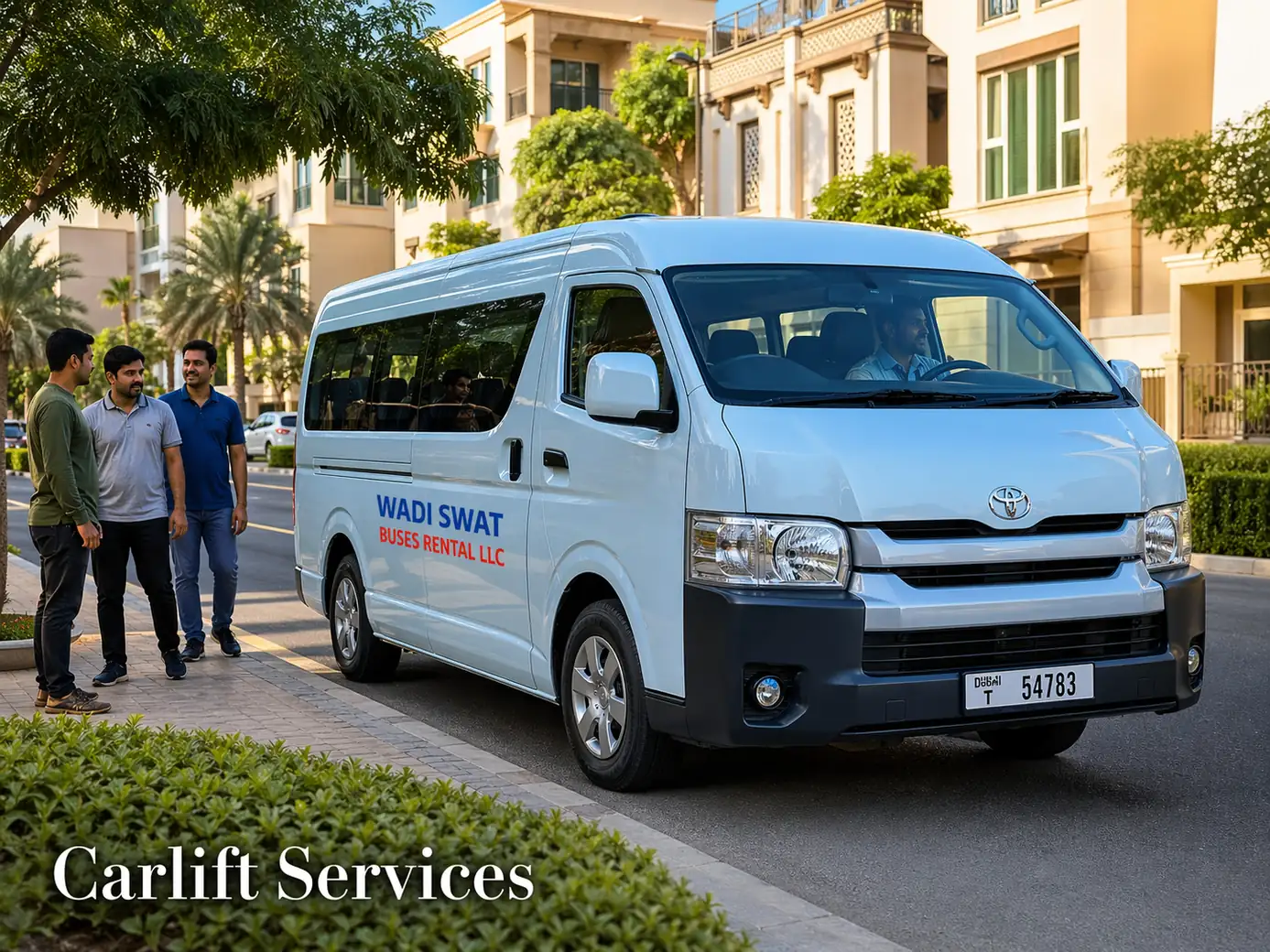
Carlift services with passenger mini van for daily shared transport
Shared commuting only works when the route is stable enough to support recurring ridersShows that carlift planning depends on route stability, rider predictability, and fixed pickup logic rather than flexible charter-style thinking.
Service Value

Suited to stable recurring commuter corridors

Get a quote for fixed-route shared commuting or recurring rider transport

Operational Fit

Suitable for fixed-route riders and shared commuter demand

Review route style, pickup structure, and rider suitability before booking

Common Concern

Built around shared-seat logic instead of private chartering

Riders and buyers want clarity around route membership, timing consistency, shared-seat logic, and whether the service is genuinely recurring rather than ad-hoc.

Client TypeCommuters, fixed-route rider groups, recurring passengers, and buyers comparing shared-seat alternatives
Group SizeSmall recurring rider groups and shared-seat corridor demand
Booking ModelMonthly, route-based, membership-style, and recurring passenger transport
Route TypeFixed-route, corridor-based, limited-stop, and commuter-style transport
Timing TypeScheduled daily commuting windows with defined pickup patterns
Service LevelShared-seat recurring transport with route membership logic
Industries ServedCommuter mobility, recurring passenger movement, and shared transport offerings
Not Ideal ForPrivate charter groups, high-touch corporate transport, or routes that need exclusive dedicated vehicles
Best For

Shared fixed-route commuting

Recurring rider movement on defined corridors

Best For

Monthly or membership-style passenger transport if genuinely offered

Passengers or route managers assessing shared-seat suitability, reliability, and recurring commute structure

Local Route Advantage

Works especially well when commuters accept a fixed route, stable timing, and shared-seat predictability instead of private-trip flexibility.

Best where rider demand clusters around regular commuter corridors

Commute Overview

When Carlift Services Become the Right Shared-Commute Model

A carlift model only works when the route is stable enough to support recurring riders, fixed pickup logic, and dependable timing. This page helps buyers test whether that shared-commute structure is realistic before treating it like ordinary passenger transport.

The page is most useful when the buyer needs to judge whether the route is predictable enough for fixed pickup points, recurring riders, and shared commuting logic instead of private-charter flexibility.

Rider Fit

Who Carlift Services Are Best Suited For

Where the real need is fixed-route shared commuting with recurring riders and a more structured seat-sharing model, this page becomes relevant. It is best suited to commuters and route organizers who want more clarity around carlift practicality than a general daily transport page can offer. You can also review our Bus Rental UAE page first.

Best Shared-Commute Scenarios

Strong Carlift Route Scenarios

This page fits best where fixed-route shared commuting, recurring rider movement on defined corridors, and membership-style passenger transport are the main use cases being considered.

Model Limits

When Carlift Logic Does Not Fit the Route

This page is not meant for private charter groups, high-touch corporate transport, or routes that require exclusive dedicated vehicles rather than shared-seat logic. For those needs, Daily Pickup and Drop Service or Staff Transport Services may fit better.

Route Logic

How a Carlift Model Actually Functions

Shared commuting works through recurring riders, stable corridors, limited-stop movement, and predictable timing. Once route membership and pickup order become clear, the service behaves very differently from private charter transport.

Scheduling Logic

How a Shared-Commute Schedule Holds Together

Carlift timing usually works through fixed daily windows, stable pickup order, and recurring rider expectations. Once those elements are clear, the service becomes easier to manage and much more predictable than flexible passenger movement.

Vehicle Fit

Matching the Vehicle to a Carlift Route

The best carlift vehicle is the one that suits the rider count, corridor type, and repeatable route pattern without oversizing the job. Buyers often compare the Toyota Previa 7 Seater Passenger Mini Van, Toyota Hiace 10 Seater Passenger Mini Van, and Hyundai H1 Shuttle 9 Seater Mini Van when deciding what fits a shared-seat model best.

Route Pricing

How Carlift Pricing Normally Works

Carlift pricing usually depends on corridor length, recurring rider count, pickup-point stability, daily timing windows, vehicle type, and whether the route works as a true shared-seat service. The more stable the rider pattern, the easier it is to price the service in a workable way.

Recommended Vehicle

Toyota Previa 7 Seater Passenger Mini Van

A strong fit where route structure and passenger count match this service requirement.

Recommended Vehicle

Toyota Hiace 10 Seater Passenger Mini Van

A useful option when the route needs more passenger room or broader operating flexibility.

Recommended Vehicle

Hyundai H1 Shuttle 9 Seater Mini Van

Well suited where the service line needs larger-capacity movement and recurring route practicality.

Quote FactorCommute corridor and daily timing
Quote FactorRider count and seat demand
Quote FactorPickup-point stability
Quote FactorRoute frequency and monthly continuity
Commercial Value

What Makes a Carlift Model Feel Real

A carlift service only feels dependable when recurring riders, shared-seat logic, route membership, and pickup consistency are all built into the operating model. The difference between a true commuter setup and loose passenger movement becomes obvious very quickly in daily use.

Trust Layer

Trust, Service Standards and Route Reliability

The service should be positioned around practical route planning, suitable fleet allocation, disciplined drivers, clear communication, and service support that matches real operating conditions in the UAE. Trust grows when the service is explained in practical terms instead of relying on broad transport claims.

Compliance

RTA-Conscious Planning

Commercial transport planning should reflect route suitability, operating practicality, and service expectations consistent with UAE transport standards.

Drivers

Driver Standard

Professional driver allocation, punctual reporting, and route-aware service discipline.

Safety

Operational Safety

Safe boarding, sensible route design, and suitability between service type and vehicle choice.

Reliability

Service Continuity

Stable scheduling, clear communication, and practical execution for the agreed route model.

Contract Fit

Recurring Booking and Contract Structure

Where the service is recurring, stronger continuity usually comes from a clearly defined route brief, practical service scope, and a booking structure that fits how often the movement repeats.

Local Fit

Carlift Services: UAE Route and Buyer Realities

Shared commuting only works well when the corridor is stable enough to support fixed expectations. Once pickup points, timing, and rider membership are clear, the service becomes easier to manage and far more predictable than a flexible day-to-day route.

Traffic and access reality: Pickup timing, stop discipline, and route membership control matter more than broad charter flexibility

Pickup and staging logic: Usually follows fixed pickup points and stable rider patterns rather than custom daily route redesign

Booking Process

How to Plan and Request Carlift Services

The fastest way to get an accurate quote is to share your passenger count, route or pickup pattern, destination, service timing, preferred vehicle size, and whether the requirement is one-time or recurring. Once the route logic is clear, the service can be matched to the right fleet, timing model, and pricing structure much more accurately.

Useful Next Steps

Explore the Most Relevant Supporting Pages

This service page works best when the quote request, fleet choice and supporting information are easy to review together.

FAQs and Trust Standards

Frequently Asked Questions About Carlift Services

These answers cover the common buyer questions that arise when comparing carlift services and deciding whether this service is the right fit.

What is the best way to plan carlift?

The best approach is to begin with the real route brief: group size, pickup and drop points, timing, service purpose, and any comfort or luggage requirements. Once those details are clear, the right service structure and fleet fit are much easier to confirm.

What vehicle types are commonly used for carlift services?

The right carlift vehicle depends on rider count, corridor type, and the level of daily repeatability. Buyers often compare the Toyota Previa 7 Seater Passenger Mini Van, Toyota Hiace 10 Seater Passenger Mini Van, and Hyundai H1 Shuttle 9 Seater Mini Van.

What information is needed for an accurate quote?

A useful quote usually needs the passenger count, pickup and drop locations, expected timing, trip type, service frequency, preferred vehicle class, and any access or waiting requirements.

Is carlift services suitable for recurring bookings?

It can be, depending on the service type and how regularly the route runs. If the requirement is ongoing rather than one-time, sharing the schedule and expected route pattern early usually leads to a better commercial setup.

How is this different from Daily Pickup and Drop Service?

Carlift Services is the better fit where passengers accept a fixed route, recurring timing, and shared-seat logic. Daily Pickup and Drop Service is broader and can cover repeated movement without necessarily implying the same rider-membership or pooled-commute model.

What is the safest way to choose the right carlift option?

Share the full requirement first rather than only a keyword. Route pattern, timing, passenger profile, luggage or equipment needs, and service frequency usually determine whether this page is the right fit or whether a related service or different fleet class would be a better choice.

Final CTA

Need Help Planning Carlift Services?

Share the commuter corridor, pickup points, rider count, and schedule so it can be confirmed whether a fixed shared-seat setup is workable and worth running as a genuine carlift route.

Fast Transport Support

Need help with Carlift Services for Fixed-Route and Shared Commuting Needs?

HomeServicesOur Services OverviewCarlift ServicesShared CommuteCarlift Services for Fixed-Route and Shared Commuting NeedsBuilt to help buyers decide whether a fixed shared-commute model, recurring rider structure, and suitable vehicle setup genuinely fit the route.For routes that depend on recurring riders…

Get a Quote
WhatsApp