1. Home
  2. Media
🎙️ Verified information centre

Media

Organised access to approved company information, service references, publication standards and enquiry routes

🗂️ Media desk✅ Verified publication route🕒 Check before relying
Wadi Swat transport scene supporting Media
🎙️ the central media and information desk for Wadi Swat passenger transport
📡 Media desk🧾 Source🕒 Date control✅ Status✍️ Corrections
01

SWAT Transport Media Centre: Latest Information

company announcements, operational notices, service explanations, fleet context and carefully selected media resources

Current Announcements and Updates — Media

Media operates as the central media and information desk for Wadi Swat passenger transport. It is designed for customers, procurement teams, journalists, partners and readers checking company information. The page is not a substitute for an active-service call or a signed commercial document; it is a structured publication point where readers can understand what information is available, how it is controlled and which approved page should be used next. This wording is applied specifically to the Media publication route and its approved reader purpose.

For Media, this distinction keeps the media page useful without turning it into an unverified live operations feed. The note remains specific to Media and its signed content plan.

Recent items — Media

Current announcements should be limited to company announcements, operational notices, service explanations, fleet context and carefully selected media resources. A publication should state its subject clearly and avoid mixing several unrelated messages into one item. This makes the information easier to review, easier to correct and more useful to customers who are deciding whether the notice affects a route, booking, contract or general understanding of the company. This wording is applied specifically to the Media publication route and its approved reader purpose.

The publication card should identify its category and make the intended reader action visible at a glance. The note remains specific to Media and its signed content plan.

Company News and Operational Notices — Media

The recent-items area follows a practical rule: a dated item should show what has changed, who the information affects and where the reader can confirm the operational detail. Recency is not created by removing dates or repeatedly changing a headline. A reader should be able to see whether the information is new, still effective, under review or retained only as historical context, without having to infer status from promotional wording. This wording is applied specifically to the Media publication route and its approved reader purpose.

A clear status label supports readers who arrive from search and may not know the age or purpose of the item. The note remains specific to Media and its signed content plan.

Published information — Media

Company news and operational notices are different publication types. In this channel, company news belongs here only when the subject has been checked against the responsible business or operations team. An operational notice should explain the service impact and customer action, while company news may explain a broader development. Keeping the two forms distinct prevents a routine planning message from being mistaken for a permanent company commitment. This wording is applied specifically to the Media publication route and its approved reader purpose.

The newsroom layout therefore separates the headline, evidence context and next-step link instead of blending them. The note remains specific to Media and its signed content plan.

02

Topics Covered — Media

passenger services, fleet categories, UAE coverage, route planning, safety communication, events and company participation

Transport media image related to Media
📰 passenger services, fleet categories, UAE coverage, route planning, safety communication, events and company participation

Services, Fleet and Coverage — Media

Published information should deliver organised access to approved company information, service references, publication standards and enquiry routes. The visible page must contain the key meaning, not hide essential qualifications inside an image or script. Every claim should be proportionate to its evidence, and every action link should take the reader to a page that genuinely helps with the subject rather than to an unrelated promotional destination. This wording is applied specifically to the Media publication route and its approved reader purpose.

This standard also supports accessibility because essential meaning remains visible in text and does not depend on animation. The note remains specific to Media and its signed content plan.

Operational topics — Media

The subject map for Media covers passenger services, fleet categories, UAE coverage, route planning, safety communication, events and company participation. This scope is broad enough to help different readers, but each publication should stay focused on one useful question. A concise topic label, clear summary and relevant next step are more valuable than a long list of keywords that does not explain the transport decision. This wording is applied specifically to the Media publication route and its approved reader purpose.

Topic categories are navigation aids, not permission to publish claims outside the approved company and service records. The note remains specific to Media and its signed content plan.

Company, Safety and Community — Media

Services, fleet and coverage information must distinguish a general capability from a confirmed booking. A service page can explain how a transport option is normally planned, but it should not imply that a particular vehicle, route or time is reserved. Media therefore directs readers to the appropriate service reference and keeps availability statements out of editorial copy unless verified for a specific context. This wording is applied specifically to the Media publication route and its approved reader purpose.

Readers can then move from editorial information to a service page without confusing explanation with availability. The note remains specific to Media and its signed content plan.

Corporate topics — Media

Operational topics may include planning, dispatch, access, timing, vehicle readiness and passenger communication. They should describe the control or decision in practical terms. The objective is to help the reader understand what information matters, who normally owns it and when direct confirmation is required, rather than present internal terminology without customer relevance. This wording is applied specifically to the Media publication route and its approved reader purpose.

Practical wording is preferred because customers need to understand the effect, not internal department language. The note remains specific to Media and its signed content plan.

✅ Verification deskOpen approved reference
03

Source and Publication Standards — Media

the most reliable source is the current approved company record, service owner, published policy or route-specific operating brief

Verified Facts and Approved Statements — Media

Company, safety and community subjects require careful boundaries. Safety information should be accurate and visible, while community or event content should not suggest official sponsorship, client approval or measurable results unless supported. The page can explain company participation and transport context without turning a photograph or attendance note into a broader claim. This wording is applied specifically to the Media publication route and its approved reader purpose.

Where a topic involves a third party, the page avoids implying approval, endorsement or performance data not supplied for publication. The note remains specific to Media and its signed content plan.

Editorial control — Media

Corporate topics follow this standard: corporate material should explain the organisation and its work without unsupported rankings, awards, guarantees or invented claims. The reader should be able to separate company identity, service explanation, editorial context and commercial offer. This separation protects clarity because a company introduction is not the same as evidence for a route, and a news item is not automatically a contractual promise. This wording is applied specifically to the Media publication route and its approved reader purpose.

This keeps corporate communication credible for procurement readers as well as the general public. The note remains specific to Media and its signed content plan.
Dates, Corrections and Updates — Media

Source control begins with a simple principle: the most reliable source is the current approved company record, service owner, published policy or route-specific operating brief. Secondary summaries can help readability, but they should not override the current approved source. Where two records differ, the publication is paused or qualified until the responsible owner resolves the inconsistency; speed should not be used to justify avoidable uncertainty. This wording is applied specifically to the Media publication route and its approved reader purpose.

The source note should be sufficient for internal traceability even when confidential records cannot be published. The note remains specific to Media and its signed content plan.

Accuracy process — Media

Verified facts are statements that can be traced to an appropriate record or responsible owner. They should be written without unnecessary exaggeration and with the relevant limitation. A fact about one service, event or vehicle should not be broadened to every operation. This disciplined approach makes Media useful for due diligence as well as general reading. This wording is applied specifically to the Media publication route and its approved reader purpose.

Scope limits are part of accuracy and should not be removed merely to make a headline sound stronger. The note remains specific to Media and its signed content plan.

04

Media Resources — Media

company background, approved service descriptions, selected transport images and routes to verified operational pages

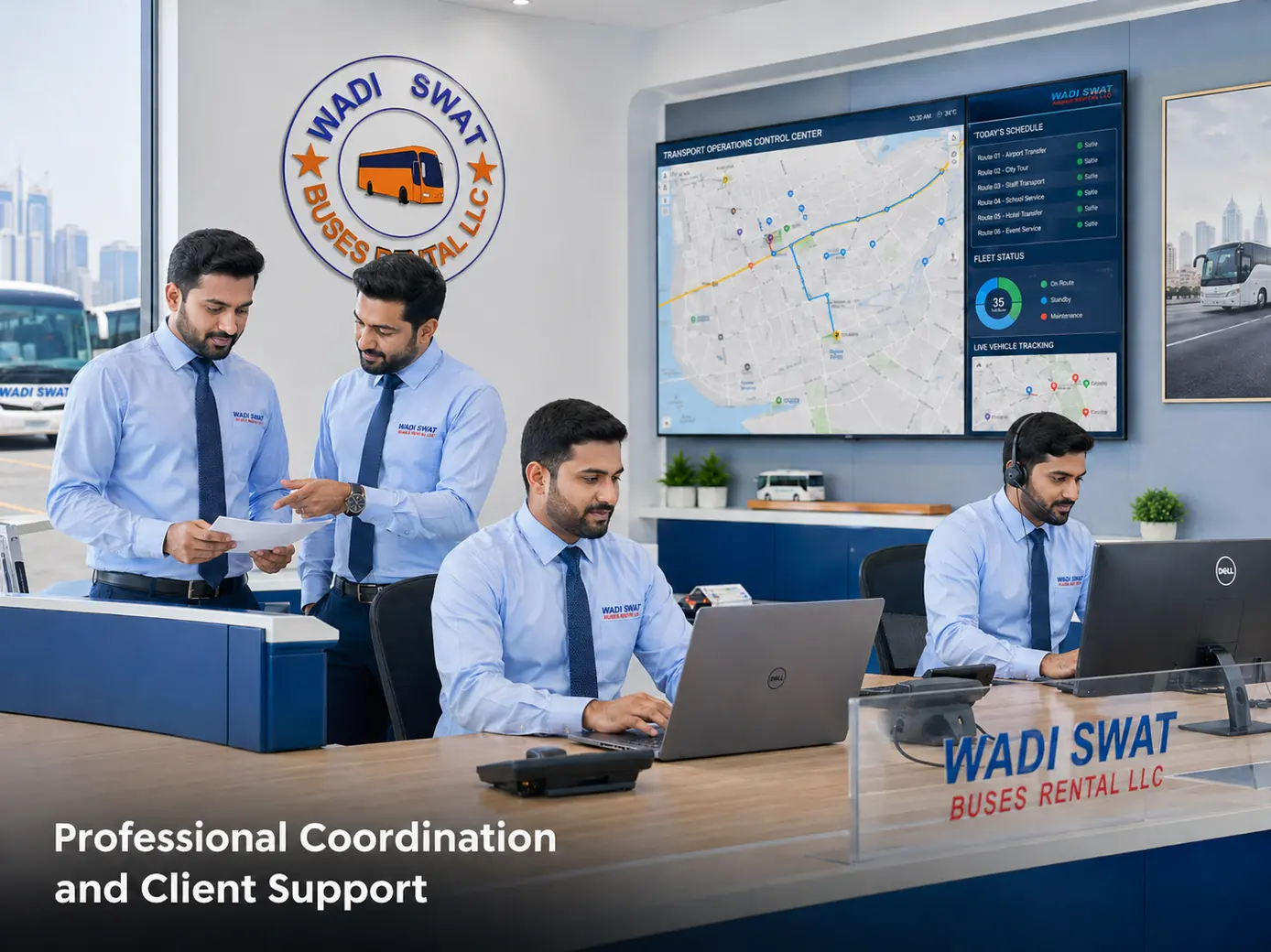
Media resources and coordination for Media
📸 company background, approved service descriptions, selected transport images and routes to verified operational pages

Company Information and Images — Media

Editorial control means every publication should have a clear owner, review state, date and reason for publication before it is presented as current. The reviewer checks whether the page answers the intended reader question, whether a linked source remains current and whether the language could be misunderstood as a guarantee. Approval is not a decorative label; it is the final decision that the item is suitable for public use in its stated form. This wording is applied specifically to the Media publication route and its approved reader purpose.

A second review may be required when the subject involves a policy, external organisation or time-sensitive service condition. The note remains specific to Media and its signed content plan.

Approved assets — Media

Dates have separate functions: the publication date, effective date and latest correction date should not be mixed because each answers a different reader question. The page should preserve enough context for readers to know when the information applied. An item that remains useful after its original date may stay available, but its status should be clear and it should not compete visually with a newer notice that changes the current position. This wording is applied specifically to the Media publication route and its approved reader purpose.

Date labels are positioned consistently so they are visible on desktop, mobile and Arabic RTL versions. The note remains specific to Media and its signed content plan.

Press and Partnership Enquiries — Media

The accuracy process includes review, publication, monitoring and correction. When an error or material change is identified, a correction should state what was amended, preserve the accurate meaning and avoid silently replacing a material fact. Minor typographical changes can be handled proportionately, but changes to service meaning, date, source, responsibility or required customer action deserve a visible and controlled update. This wording is applied specifically to the Media publication route and its approved reader purpose.

The correction record should improve understanding rather than create multiple contradictory versions of the same item. The note remains specific to Media and its signed content plan.

Contact route — Media

Media resources are provided to support accurate understanding of the organisation and its transport work. They may include company background, approved service descriptions, selected transport images and routes to verified operational pages. A resource should be selected because it explains the topic, not because it fills space. The accompanying caption and link should help the reader understand what the asset represents and what it does not prove. This wording is applied specifically to the Media publication route and its approved reader purpose.

Resources are grouped by purpose so users can find company background, service context or an approved enquiry route quickly. The note remains specific to Media and its signed content plan.

🔗 Reader pathwaysOpen approved reference
05

Related Information — Media

service pages and practical guides help readers move from general company information to a specific transport decision

Services and Guides — Media

Company information and images should be current, contextual and proportionate. A photograph can illustrate passenger transport, an event environment or operational coordination, but it cannot by itself verify a service claim. Written context remains necessary, especially when the image could be reused across different pages or when the visible vehicle is only one example from a wider fleet. This wording is applied specifically to the Media publication route and its approved reader purpose.

Image captions should explain the visible transport context and avoid naming passengers or clients without approval. The note remains specific to Media and its signed content plan.

Useful pages — Media

Approved assets follow this rule: images and logos should be used in the approved context, with suitable captions and without implying an endorsement or service fact that is not stated. File quality, orientation and crop should support the page design, while ALT text should describe the visible scene rather than repeat keywords. Media users should request a suitable original or approved version when the intended use requires higher resolution or a different format. This wording is applied specifically to the Media publication route and its approved reader purpose.

Asset governance protects brand consistency while allowing useful editorial and partnership work. The note remains specific to Media and its signed content plan.

Contact and Further Questions — Media

Press and partnership enquiries are handled efficiently when press and partnership requests need the proposed topic, outlet or organisation, intended use, deadline and the exact information or asset requested. The company can then decide whether the request belongs to media relations, commercial partnerships, procurement, service operations or another responsible channel. This protects response quality and avoids publishing an informal answer that was never intended to represent the company officially. This wording is applied specifically to the Media publication route and its approved reader purpose.

A precise brief also helps the company respond within a realistic timeframe and route the request to the correct owner. The note remains specific to Media and its signed content plan.

Next steps — Media

The contact route should match the question. For editorial clarification, questions should identify the page, statement, image or service detail that needs confirmation so the responsible team can review it. For an active service, the authorised operational channel is more appropriate because it can identify the booking, route and duty. Using the correct route reduces delays and keeps public information separate from private customer or passenger data. This wording is applied specifically to the Media publication route and its approved reader purpose.

Private operational details should not be placed into a public media enquiry when a secure customer channel is available. The note remains specific to Media and its signed content plan.

🔗

Approved Reading Library

Planned links that move the reader from general information to the appropriate service or guide.

❓ Approved FAQsReview related guide
Publication and Verification FAQs

Publication and Verification FAQs

Clear answers about what is published and how information is reviewed or corrected.

01What type of information is published here for Media?

What type of information is published here for Media? This page publishes company announcements, operational notices, service explanations, fleet context and carefully selected media resources. Its purpose is organised access to approved company information, service references, publication standards and enquiry routes. A reader should treat a dated and sourced item as the relevant publication, while a route, booking or active-duty question should still be checked through the responsible service contact. The page does not invent live availability, prices, partnerships or operational changes that have not been approved for publication.

02How are updates verified or corrected for Media?

How are updates verified or corrected for Media? The review process follows every publication should have a clear owner, review state, date and reason for publication before it is presented as current. The source is checked against the most reliable source is the current approved company record, service owner, published policy or route-specific operating brief; dates are controlled because the publication date, effective date and latest correction date should not be mixed because each answers a different reader question; and a material change is handled so that a correction should state what was amended, preserve the accurate meaning and avoid silently replacing a material fact. Readers can identify the exact headline, statement or image when requesting clarification, which allows the responsible team to confirm the current position rather than repeat an outdated version.

📬 Ready for a focused enquiry

Use the right source, then request confirmation when needed

use the relevant service or guide link, then send a focused enquiry when the published information does not answer the requirement

Continue to the next step
🧾 Source🕒 Date control✅ Status✍️ Corrections