
Employee Bus Transport
Employee Bus Transport for Reliable Daily Workforce Movement
Built for employers that need orderly recurring employee bus transport for staff and mixed workforces, with route structure, capacity planning, and service discipline that can handle repeated daily pressure.
When reporting times, boarding control, and repeated shift movement all matter at the same time, this page helps buyers judge the right transport setup before signing a recurring service agreement.
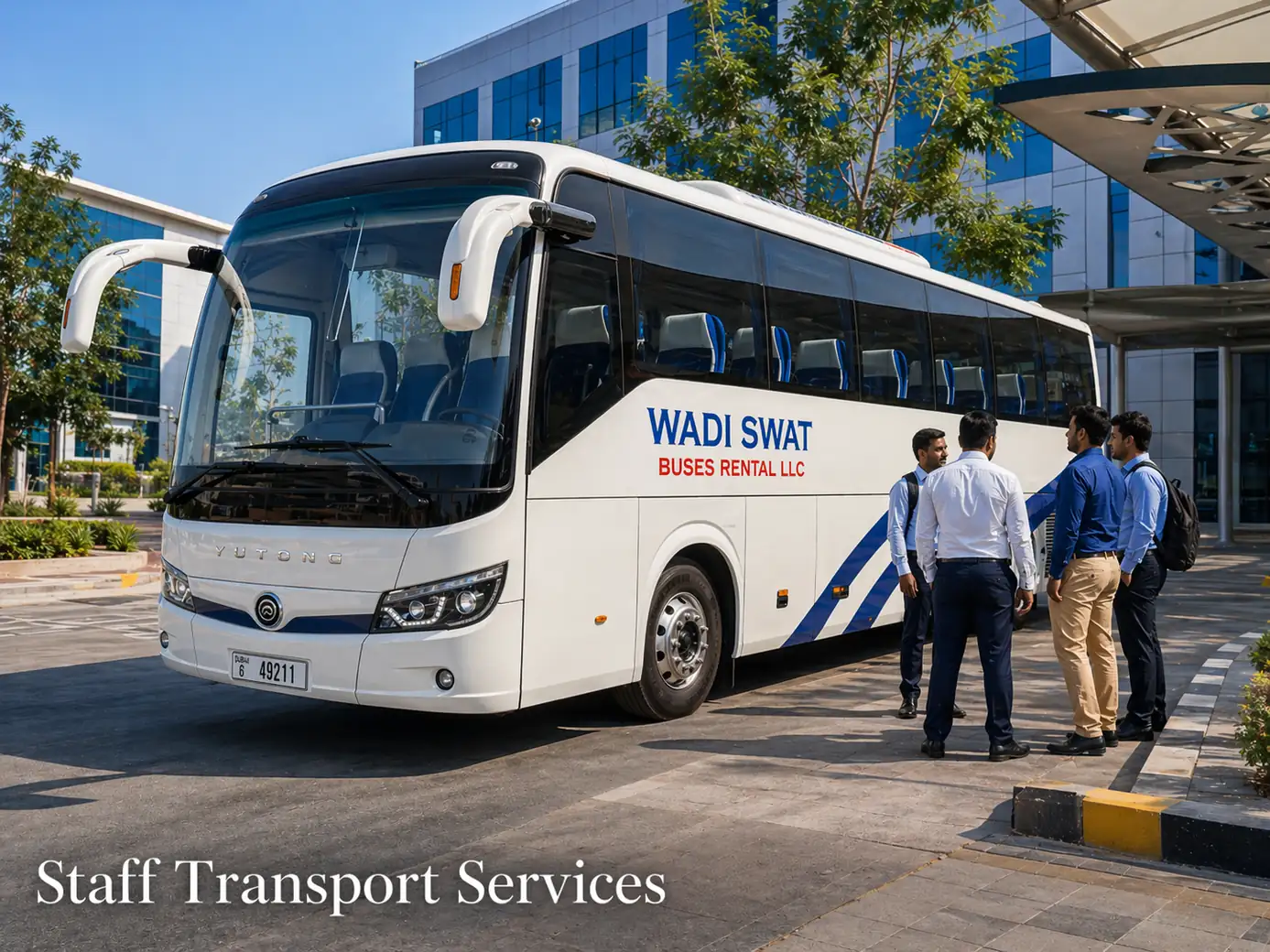
Route planning shaped by real workforce movement
Built for recurring shifts, not one-off passenger trips
Helps control reporting delays and capacity mistakes
Better suited to long-term workforce movement
Late employee arrivals weaken attendance and daily reporting
The wrong bus category raises cost or leaves teams underserved
Weak recurring coordination creates ongoing confusion for staff and management
Daily employee pickup and drop
Multi-stop commuting for medium and large teams
Recurring employer-managed bus transport
How Employee Bus Transport for Reliable Daily Workforce Movement Solves Daily Workforce Movement Problems
Most employee bus transport problems do not begin with a shortage of buses. They begin when headcount, boarding, route timing, and destination access are treated as separate issues instead of one operating system.
A dependable employee bus transport setup starts with shift size, timing pressure, access conditions, and route sequencing. Once those are clear, the right fleet and service model become much easier to define.
Who This Page Is For
HR managers, office administrators, transport coordinators, facilities teams, procurement leads, and employer-side operations managers
Common Problems Behind Employee Bus Transport for Reliable Daily Workforce Movement
Employee Bus Transport usually fails when boarding control is weak, capacity is set incorrectly, reporting windows are too tight, or the service cannot stay consistent across repeated shifts and workdays.
Where Employee Bus Transport for Reliable Daily Workforce Movement Fits Best
This page is strongest for daily employee pickup and drop, multi-stop commuting for medium and large teams, recurring employer-managed bus transport, and recurring employer-managed worker movement where one or more buses need to perform reliably on a fixed timetable.
When This Page Is Not the Best Fit
This page is not the right fit for office commuting, executive guest movement, hotel transport, airport-only transfers, or very small shared passenger requirements. In those cases, staff transport, executive transport, or airport transfer pages usually provide a cleaner match.
How These Routes Usually Operate
Most employee bus transport routes begin with workforce clustering, headcount by shift, boarding control, route sequencing, destination-entry timing, and practical turnaround planning. Some run as one stable corridor, while others need several synchronized buses feeding one or more locations.
How Shift Timing Shapes Transport
Workforce transport usually depends on strict reporting windows, repeated shift changes, early departures, controlled arrival timing, and minimal boarding delays. Strong schedule planning reduces late reporting, improves loading flow, and helps keep movement steady over long operating periods.
Choosing the Right Bus Type
Fleet choice should follow worker volume, route length, access conditions, boarding intensity, and climate expectations. Mid-size buses can fit compact routes, while larger AC or non-AC workforce buses make more sense once volume, distance, or repeated shift pressure starts to rise.
Toyota Hiace 12 Seater Passenger Van
Useful when the route needs dependable capacity without jumping too early into the largest workforce category.
Toyota Coaster 30 Seater Mini Bus
A stronger fit once boarding density rises and the route needs more seat margin across repeated shifts.
Ashok Leyland 50 Seater Staff Transport Bus
Best suited to higher-volume worker movement where capacity, route durability, and stable reporting pressure all matter.
What Usually Drives Employee Bus Transport for Reliable Daily Workforce Movement Costs
Employee Bus Transport for Reliable Daily Workforce Movement costs usually move with route distance, headcount, pickup density, shift frequency, waiting conditions, vehicle size, climate requirement, service days, and contract term. For most employers, route structure and passenger volume shape cost more than the advertised bus category alone.
Why Employers Look for Stable Employee Bus Transport for Reliable Daily Workforce Movement
Employers stay with providers when movement stays on time, boarding remains manageable, and route performance does not collapse under daily repetition. The real value is not the bus by itself. It is the ability to keep workforce movement organized across repeated shifts and strict reporting expectations.
Trust, Route Reliability and Workforce Transport Standards
The service should be built around route practicality, suitable bus allocation, disciplined drivers, dependable daily execution, and a contract structure that fits recurring worker movement. Trust grows when the transport plan reflects real boarding conditions, timing pressure, and safe high-volume movement instead of vague transport claims.
Employee Bus Transport for Reliable Daily Workforce Movement: Route Realities on the Ground
This kind of workforce transport depends less on straight-line distance and more on how boarding volume, access control, reporting windows, and synchronized movement shape the journey in practice. The best setup usually protects arrival discipline while keeping loading manageable at the origin end.
Traffic and access reality: Industrial gate timing, long-distance workforce corridors, site-entry controls, bus staging limits, and pressure around synchronized reporting windows.
Pickup and staging logic: Grouped boarding points, assembly-area dispatch, batch boarding, route turnarounds, and practical pickup discipline around recurring workforce clusters.
Operating Standards
Commercial transport planning should reflect route suitability, worker volume, and operating practicality consistent with workforce transport needs in the UAE.
Driver Standard
Professional driver allocation, punctual reporting, and route discipline aligned with recurring workforce movement.
Operational Safety
Safe boarding, practical stop control, and suitable vehicle planning for large worker groups.
Service Continuity
Stable route execution, dependable shift timing, and responsive coordination for recurring project or operations transport.
Recurring Booking and Contract Structure
Flexible recurring contract support matters when workforce movement must stay stable for weeks or months without constant route resets or supplier confusion.
How to Plan and Request Employee Bus Transport for Reliable Daily Workforce Movement
The fastest way to get an accurate quote is to share headcount, pickup origin, destination, reporting times, shift pattern, service days, vehicle preference, and any gate or waiting restrictions. Once the route brief is clear, the right fleet and recurring service model can be planned with much better accuracy.
Explore the Most Relevant Supporting Pages
This page works best when the quote request, fleet choice, and supporting information are easy to review together.
Frequently Asked Questions About Employee Bus Transport for Reliable Daily Workforce Movement
These answers focus on the questions employers, project teams, and transport coordinators usually ask before choosing employee bus transport for recurring workforce movement.
How do you plan employee bus transport routes?
We usually begin with origin location, headcount, shift timing, boarding practicality, destination, and route pressure. From there, pickup batches and vehicle allocation are structured to improve reporting accuracy and daily operating flow.
What bus sizes are usually used for this kind of transport?
That depends on worker count, layout, shift size, route length, climate needs, and whether AC or non-AC transport is required. Larger workforce buses become more relevant when boarding volume is high or the route must support repeated industrial movement.
What information is needed for an accurate employee bus transport quote?
A useful quote normally needs headcount, pickup location, destination, reporting time, return timing, service days, vehicle preference, contract term, and any access or waiting restrictions.
Can this service support recurring transport?
Yes. This service is usually most valuable when movement repeats daily or across a project or operating term and the employer needs route stability rather than one-time transport.
How is employee bus transport different from general staff transport?
Employee Bus Transport for Reliable Daily Workforce Movement is more capacity-driven and operationally strict. It usually focuses on recurring workforce routing, structured boarding, reporting discipline, and destination timing rather than office-style commuting.
When should a buyer choose Employee Bus Transport for Reliable Daily Workforce Movement over broader worker transport pages?
Choose Employee Bus Transport for Reliable Daily Workforce Movement when this specific operating pattern is central to the requirement. It becomes the stronger fit once this route type becomes the main transport challenge.
Plan a Dependable Employee Bus Transport for Reliable Daily Workforce Movement Route
If you need stable workforce movement for this route type, send your headcount, pickup origin, destination, shift timing, service days, and vehicle preference so the most practical route structure and fleet model can be recommended.