
Bus Rental Abu Dhabi
Bus Rental Abu Dhabi With Driver supports companies, hotels, schools, event planners and private groups that need a clear passenger movement plan within Abu Dhabi or to another emirate. Planning starts with passengers, luggage, pickup, destination, timing, waiting and return. The route is then matched to a suitable van, minibus, coach or staff bus instead of selecting only from an advertised seat count. Operational planning covers longer urban distances, island-to-mainland travel, airport transfers, industrial staff routes and major event venues, with the operating scope written before dispatch.
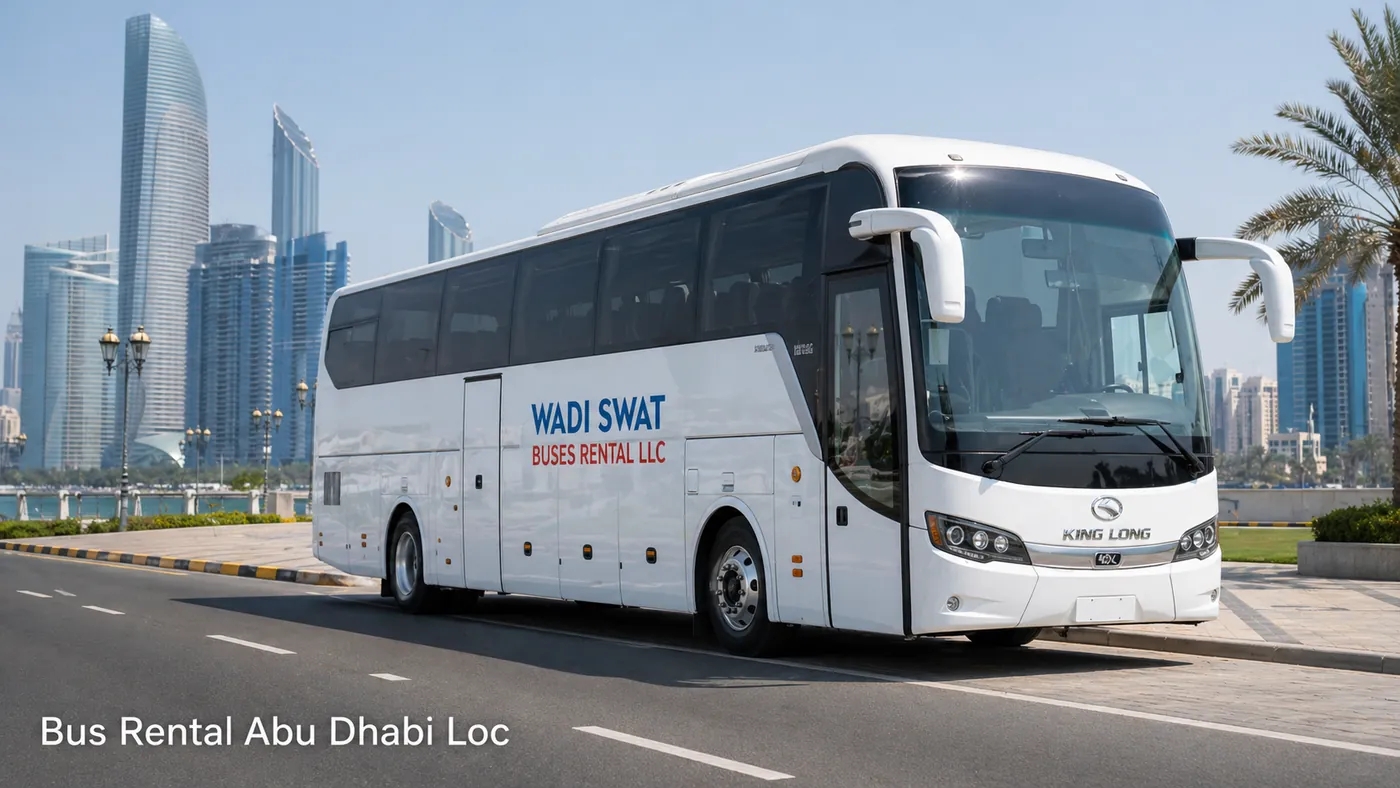
Passenger Route Examples for Abu Dhabi
The examples show how different passenger movements should be described before a vehicle is selected. For this emirate, island-to-mainland timing can be longer than the map first suggests.
See the route-planning factors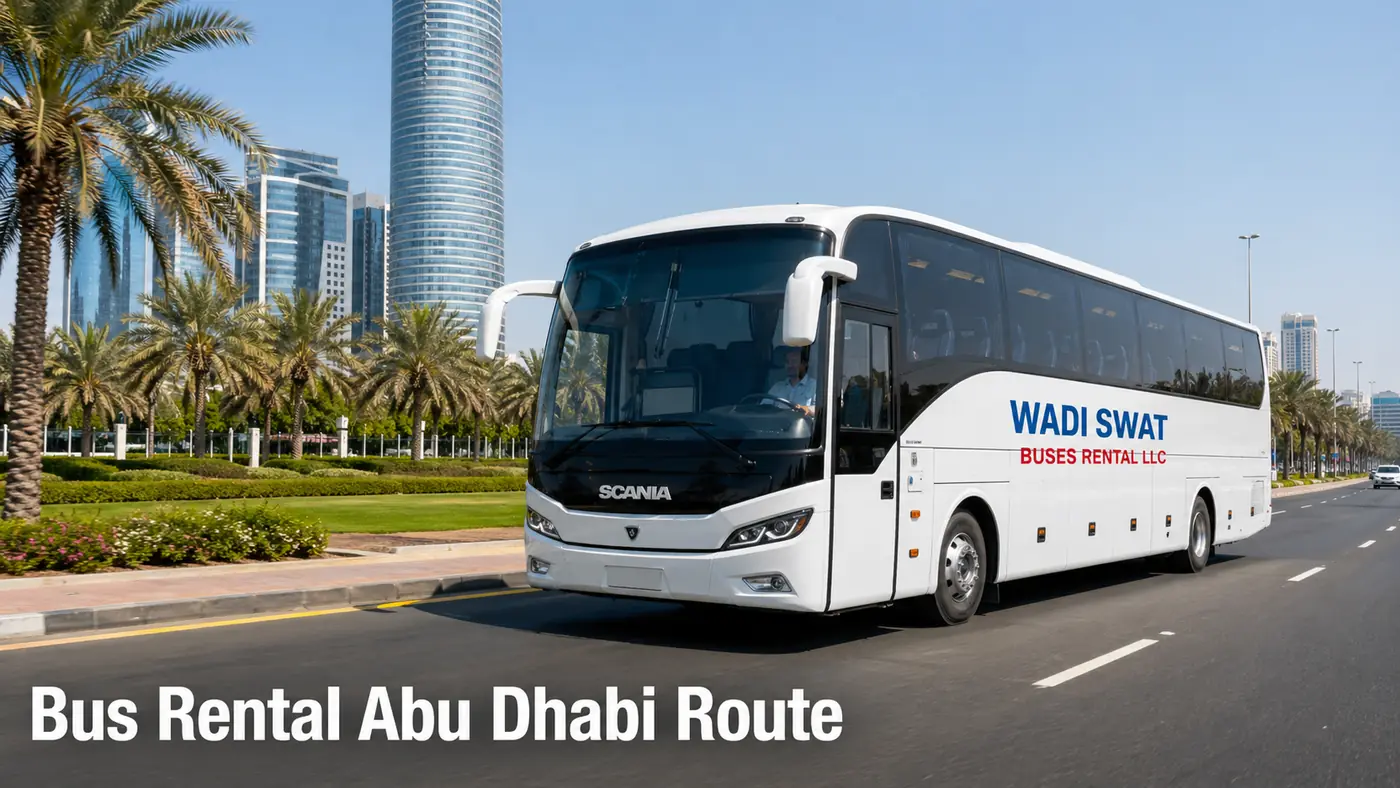
Mussafah and mainland staff routes
Confirm accommodation clusters, site gates, shift start, number of daily trips and return timing for recurring company transport.
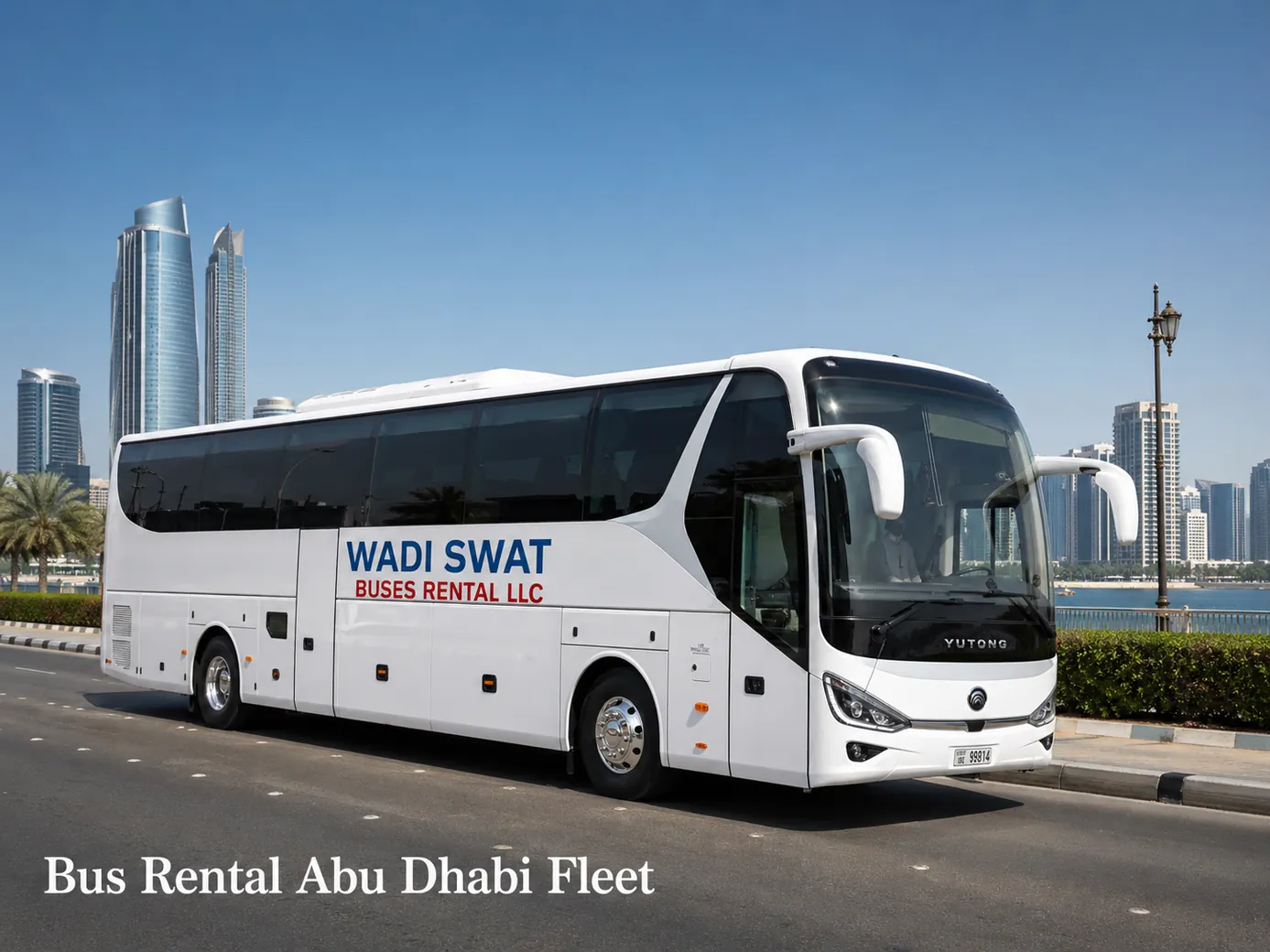
Abu Dhabi airport and city hotels
Share flight details, terminal, luggage, meet point, hotel coach bay and whether the vehicle waits or returns later.
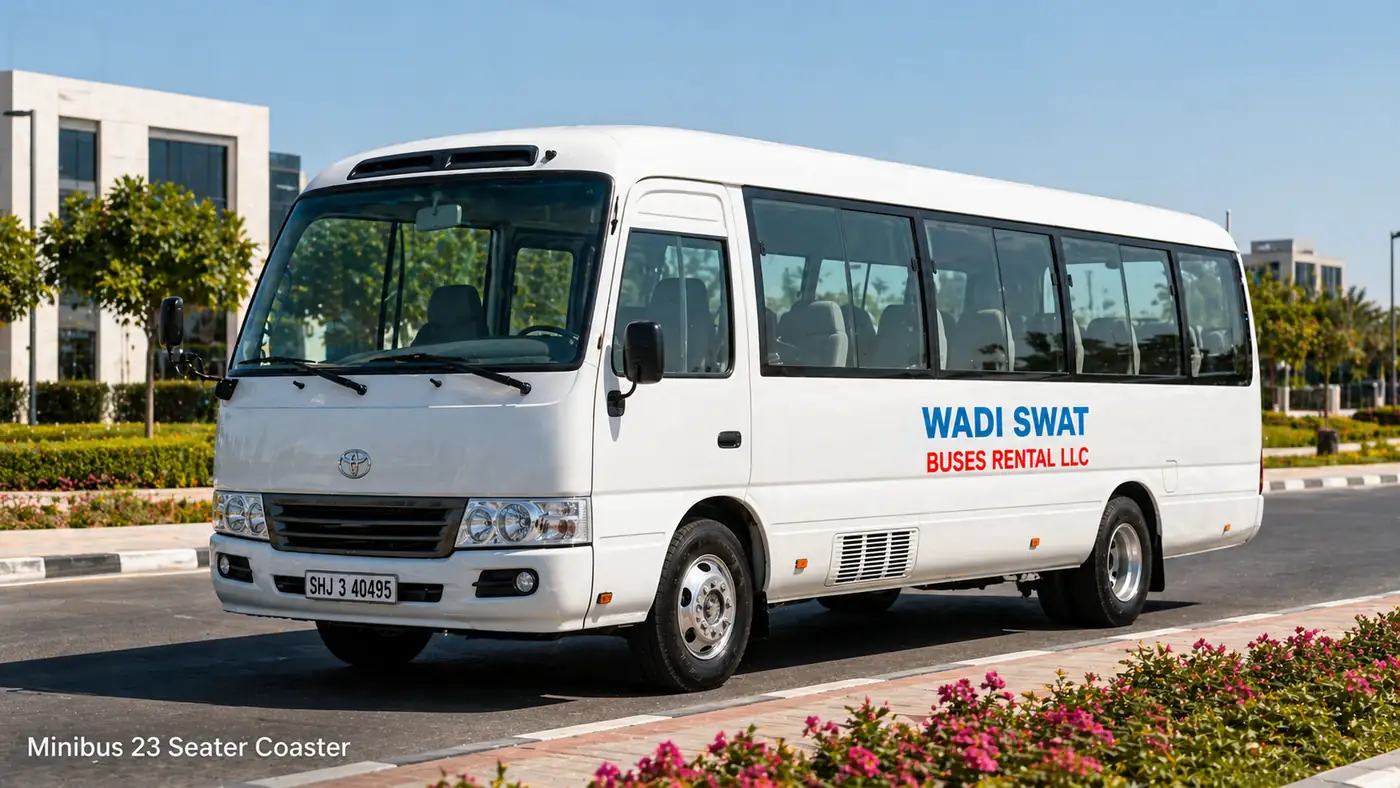
Yas Island events and attractions
Plan the venue gate, guest arrival waves, driver staging point, finish time and return movement before confirmation.
Saadiyat, Reem and Al Maryah business travel
Use exact hotel, museum, office or tower access points and allow realistic movement between island districts.
Plan the Full Abu Dhabi Duty Before Choosing a Vehicle
A passenger movement should not begin with a vehicle name alone. A compact group with large suitcases can need more usable space than a larger staff team carrying only personal bags. The bus is therefore selected after the passenger count, luggage, pickup sequence, destination, access, timing and waiting have been written clearly. For this emirate, island-to-mainland timing can be longer than the map first suggests.
This approach keeps the group in a suitable vehicle and reduces last-minute substitutions. It also makes the quotation easier to compare because the route, duty period, stops and operating conditions are already defined. The route brief should also reflect that Mussafah and ICAD routes need exact gate and shift details.
Staff, Airport, Hotel, Event and Tour Transport in Abu Dhabi
Different passenger movements require different planning even when the group size is the same. The complete purpose, route, luggage and operating time determine the suitable class. This becomes important because airport groups need terminal, luggage and waiting instructions.
Staff and corporate transport
Recurring employee routes need operating days, pickup order, shift start, return timing and normal passenger variation. Operational planning must allow for the fact that Yas and Saadiyat events need staging and release times.
Review service detailsAirport and hotel groups
Terminal, flight timing, luggage, meet point, coach access and waiting decide the practical vehicle. Before confirmation, remember that tower and hotel entrances should be identified by map pin.
Review service detailsEvents, exhibitions and weddings
Venue gate, guest waves, standby, finish time and return departures should be agreed before dispatch. Local route planning is stronger when Al Ain or inter-emirate duties need every stop and return time.
Review service detailsSchools and institutions
Supervised boarding, passenger list, reporting time and institution access shape education movement. For this emirate, island-to-mainland timing can be longer than the map first suggests.
Review service detailsTours and private groups
A realistic itinerary, stop duration, luggage and final drop keep the full-day duty workable. The route brief should also reflect that Mussafah and ICAD routes need exact gate and shift details.
Review service details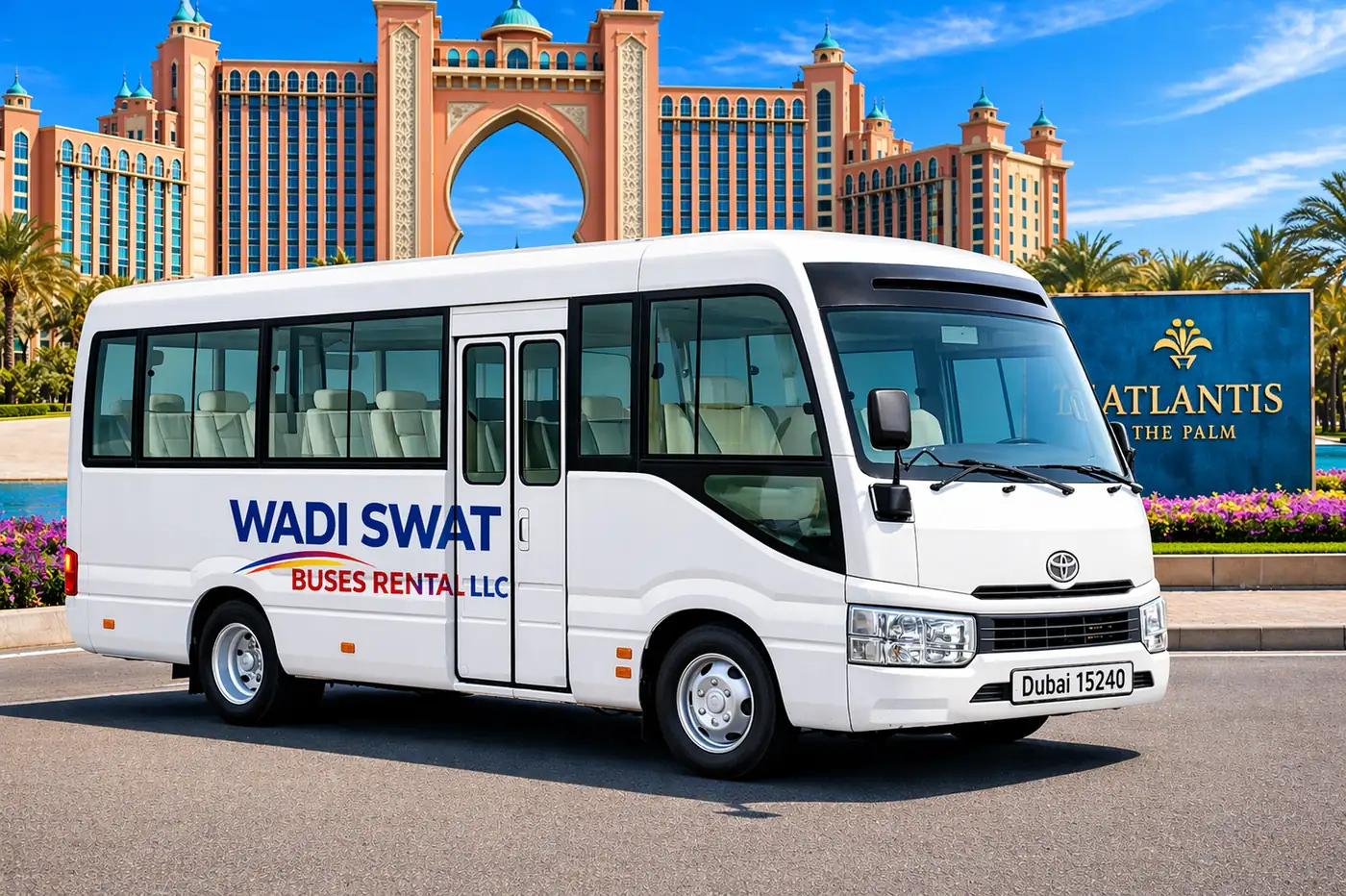
Industrial and project routes
Site gates, permits where required, shift timing and worker pickup sequence are essential for recurring work. This becomes important because airport groups need terminal, luggage and waiting instructions.
Review service details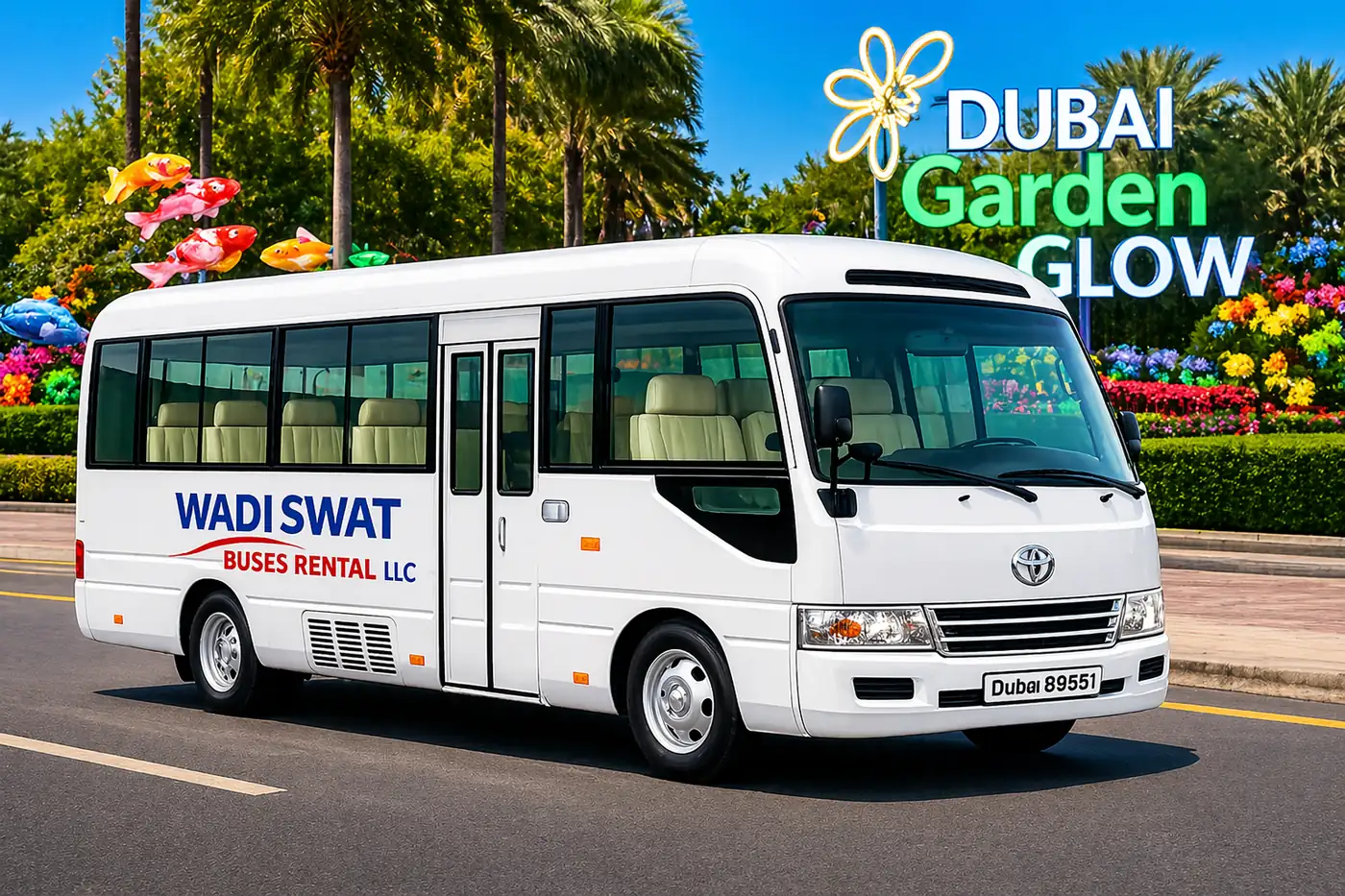
Recurring route control
Operating days, pickup order, shift arrival and return should be stable for routes linked with Mussafah, ICAD and mainland worksite gates.
Review service details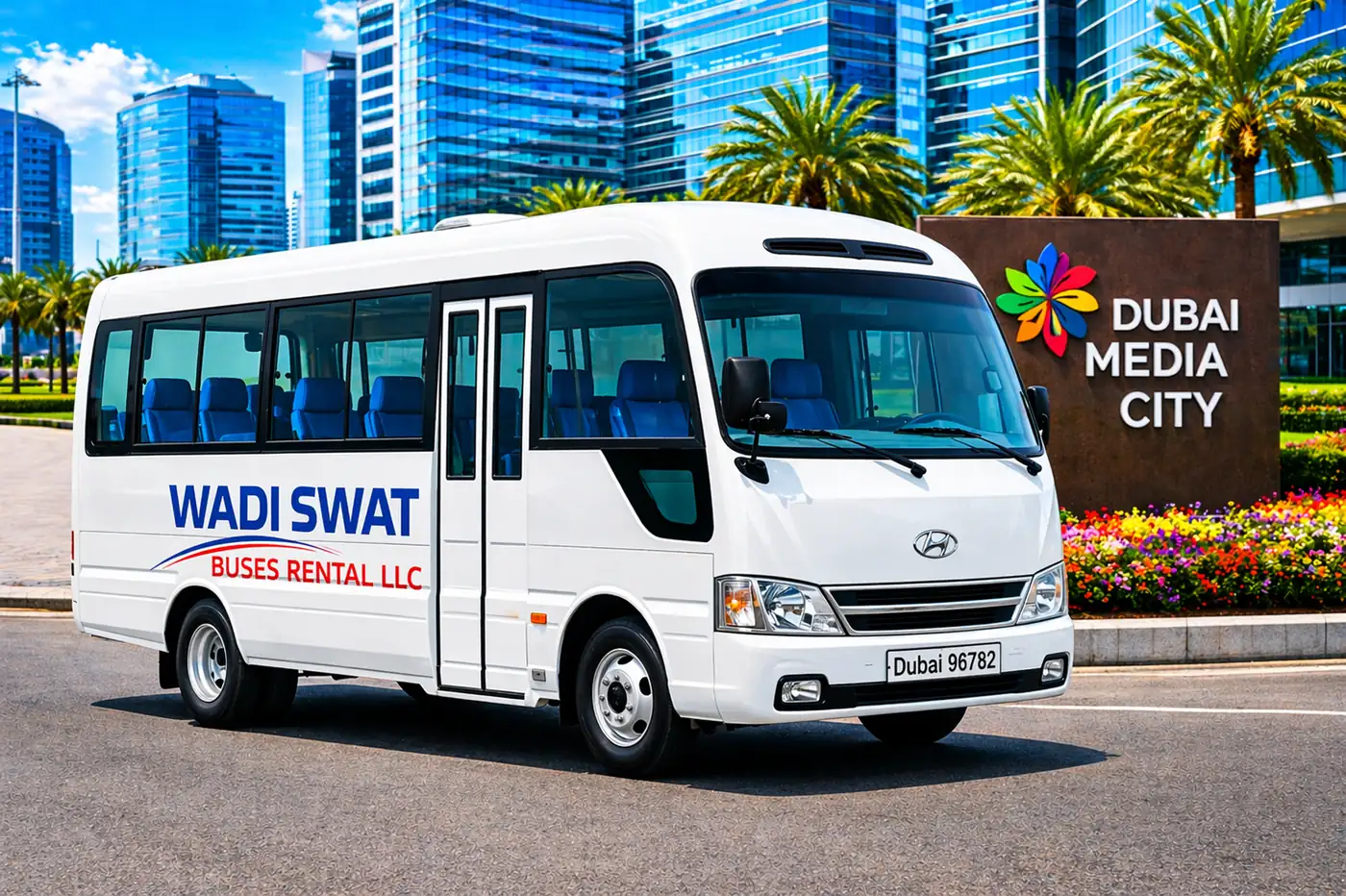
Inter-emirate duty planning
Journeys involving Al Ain, Dubai and other inter-emirate duties need all stops, waiting and release time written before confirmation.
Review service detailsChoose the Right Passenger Vehicle for Abu Dhabi Routes
Vehicle labels describe a nominal class, not the usable capacity for every route. Confirm the actual seating layout, luggage space, boarding access and journey length before allocating the vehicle. Local route planning is stronger when Al Ain or inter-emirate duties need every stop and return time.
Abu Dhabi Passenger Vehicle Comparison
| Vehicle | Nominal seats | Where it works well | Capacity and luggage notes | Photo |
|---|---|---|---|---|
| Passenger van | 7–15 | Compact groups, airport parties and small teams | Confirm luggage, sliding-door access and whether the group should stay in one vehicle. | |
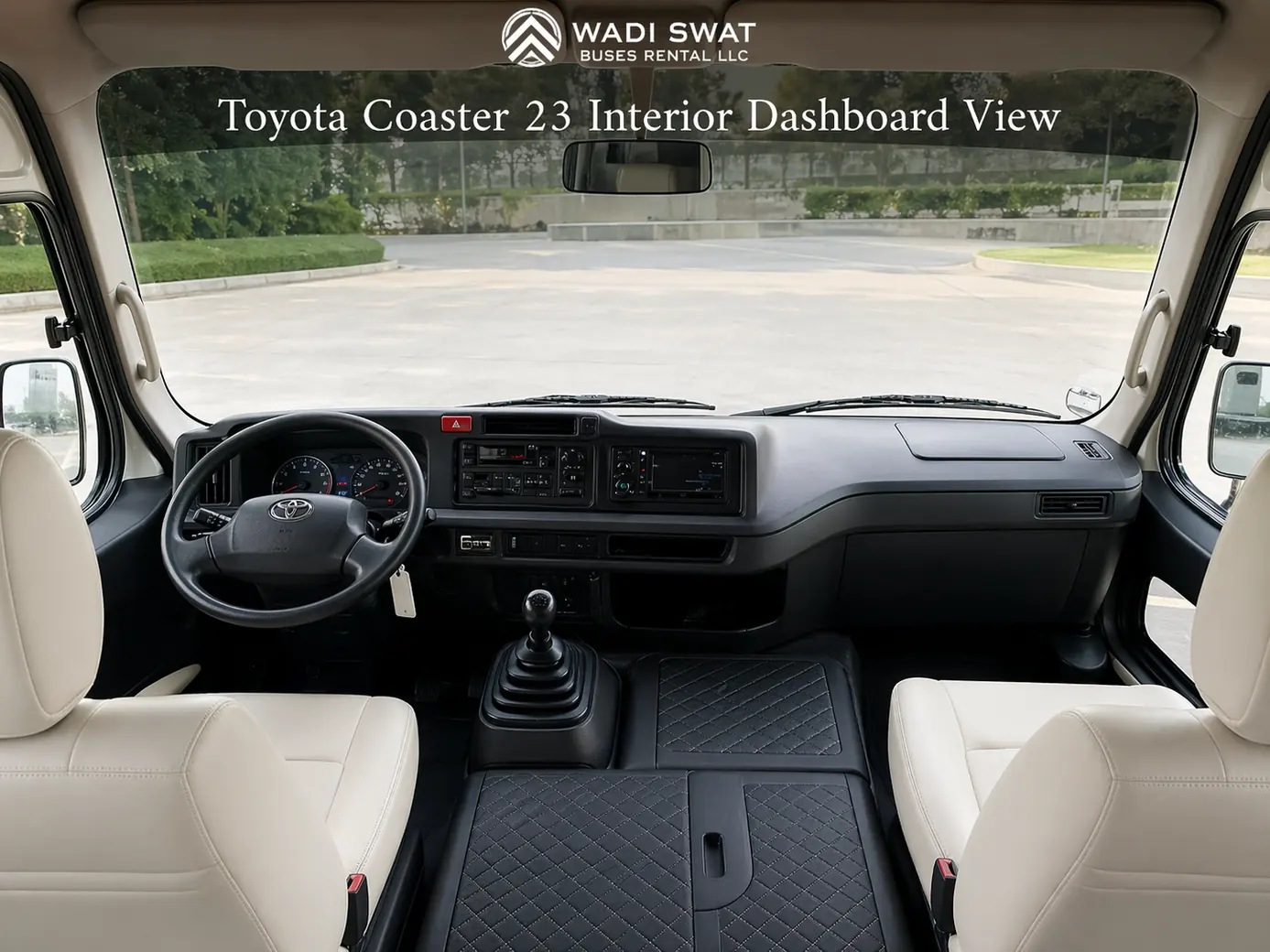
| Toyota Coaster | 23 | Hotel guests, office teams, airport groups and private transport | A practical medium-group class; leaving a capacity margin can improve boarding and baggage handling. | |
| Toyota Coaster | 30 | Staff routes, events, institutions and larger medium groups | More seats, but a full load may reduce aisle and luggage flexibility. | |
| Hyundai County / Civilian | 25–30 | Company routes, events, hotel work and organised group duties | Confirm the supplied model, actual layout, step access and availability. | |
| Mitsubishi Rosa | 34 | Groups near or above a comfortable Coaster load | Useful when passengers, luggage or journey length make a smaller minibus feel tight. | 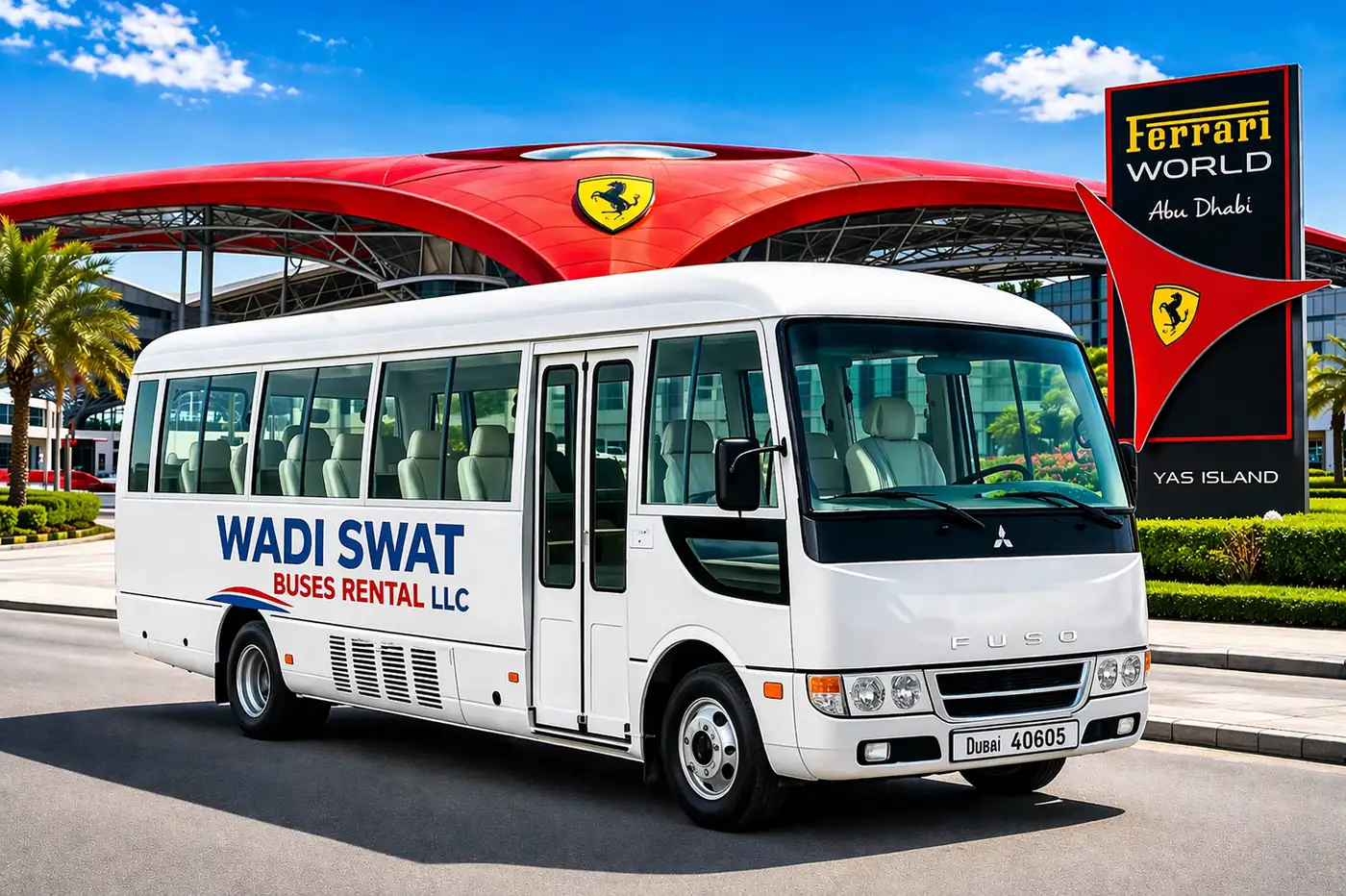 |
| Luxury or staff bus | 35–84 | Larger guest groups, workforce routes and higher-capacity duties | Choose the class from comfort, luggage, duty length and passenger volume. | 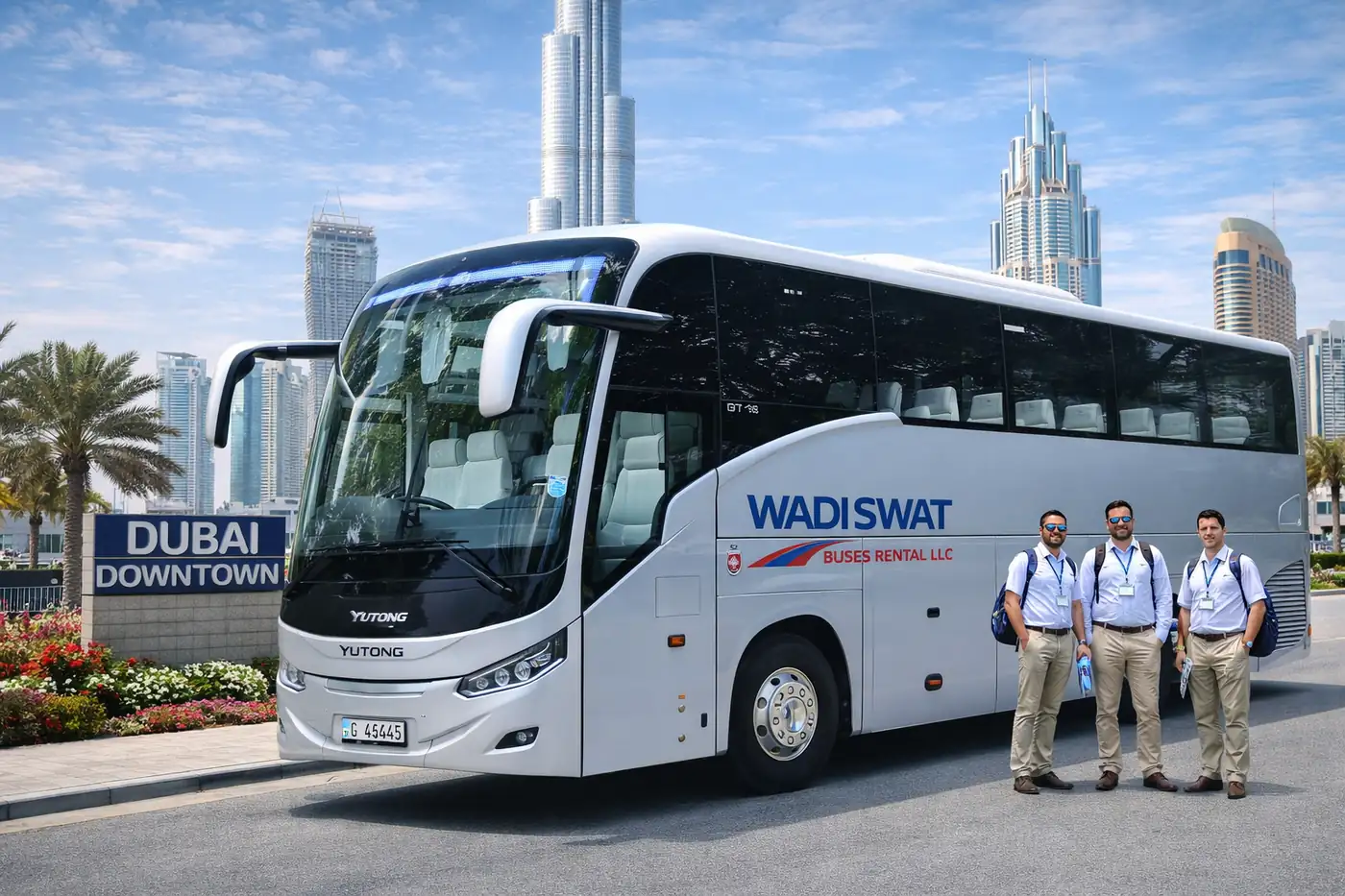 |
Abu Dhabi Route Patterns and Pickup Planning
These examples show typical planning patterns, not public timetables. The final schedule begins with the exact building, terminal or gate, passenger and baggage totals, reporting time, stop order, waiting and return. For this emirate, island-to-mainland timing can be longer than the map first suggests.
What the Written Quotation Should Confirm
The written quotation should identify the vehicle class, driver, date, route and duty period. Waiting, parking, extra trips, access charges and inter-emirate extensions must be stated when they apply. The route brief should also reflect that Mussafah and ICAD routes need exact gate and shift details.
Confirm these details before booking
- Vehicle class, requested seating and any agreed equivalent — airport groups need terminal, luggage and waiting instructions
- Professional driver, service date and reporting time — Yas and Saadiyat events need staging and release times
- Exact pickup, destination and every scheduled stop — tower and hotel entrances should be identified by map pin
- One-way, return, standby or full-duty arrangement — Al Ain or inter-emirate duties need every stop and return time
- Commercial inclusions written into the quotation — island-to-mainland timing can be longer than the map first suggests
Confirm these items separately when they apply
- Waiting beyond the agreed period — Mussafah and ICAD routes need exact gate and shift details
- Extra trips, pickups or route changes — airport groups need terminal, luggage and waiting instructions
- Airport, hotel, parking, venue or access charges — Yas and Saadiyat events need staging and release times
- Heavy baggage, equipment or mobility requirements — tower and hotel entrances should be identified by map pin
- Inter-emirate extensions, permits or special coordination — Al Ain or inter-emirate duties need every stop and return time
Three Checks Before a Vehicle Is Allocated
Passenger number alone does not decide the vehicle. The actual seat layout, luggage, repeated boarding, access, stop order and journey length should be checked together. For this emirate, island-to-mainland timing can be longer than the map first suggests.
Passengers and the actual seating layout
State the full passenger number and any passengers who need easier boarding. The offered vehicle must match the registered layout and practical duty. The route brief should also reflect that Mussafah and ICAD routes need exact gate and shift details.
Suitcases, cabin bags and equipment
Count large cases, cabin bags, prams, event equipment and other items separately. A full passenger load may leave too little usable luggage space. This becomes important because airport groups need terminal, luggage and waiting instructions.
Timing, stops and pickup access
List every pickup and drop, reporting time, waiting and return. Precise access details prevent an apparently simple route becoming unworkable. Operational planning must allow for the fact that Yas and Saadiyat events need staging and release times.
Build a Clear Abu Dhabi Passenger Transport Brief
Use the fields below to organise the information needed for an initial vehicle direction. The offered bus, driver schedule and commercial scope are confirmed after the full route is reviewed. Before confirmation, remember that tower and hotel entrances should be identified by map pin.
What Changes the Cost of a Abu Dhabi Transport Duty?
A useful quotation is based on the actual duty rather than a single generic price. Distance, operating hours, waiting, vehicle class, stops, baggage and access can all change the scope. Local route planning is stronger when Al Ain or inter-emirate duties need every stop and return time.
Route distance and return movement
A direct transfer, return duty and inter-emirate journey involve different distance and operating time. For this emirate, island-to-mainland timing can be longer than the map first suggests.
Duty hours, waiting and standby
Airport holding, event standby, a full-day outing and a short transfer are different duties. The route brief should also reflect that Mussafah and ICAD routes need exact gate and shift details.
Vehicle class and availability
The required seating, comfort and availability influence which van, minibus or coach is offered. This becomes important because airport groups need terminal, luggage and waiting instructions.
Stops, access and baggage
Extra pickups, restricted loading areas and heavy luggage may increase time or require another vehicle class. Operational planning must allow for the fact that Yas and Saadiyat events need staging and release times.
Six Common Group Transport Situations in Abu Dhabi
Use the scenario closest to your movement, then add the exact route, access and timing. These are planning examples, not fixed packages. Local route planning is stronger when Al Ain or inter-emirate duties need every stop and return time.
Daily employee route
A repeated timetable with known pickup clusters, shift arrival and return. For this emirate, island-to-mainland timing can be longer than the map first suggests.
Airport group arrival
Flight, terminal, hotel, passenger and luggage details in one plan. The route brief should also reflect that Mussafah and ICAD routes need exact gate and shift details.
Event shuttle
Venue access, guest waves, standby and scheduled returns. This becomes important because airport groups need terminal, luggage and waiting instructions.
School or institution trip
Supervised boarding, coordinator, passenger list and return arrangement. Operational planning must allow for the fact that Yas and Saadiyat events need staging and release times.
Private day trip
A realistic itinerary, stop duration, parking and final release time. Before confirmation, remember that tower and hotel entrances should be identified by map pin.
Inter-emirate group duty
Every stop, waiting period, route distance and return time are confirmed. Local route planning is stronger when Al Ain or inter-emirate duties need every stop and return time.
When a Van, Minibus, Coach or Staff Bus Fits Better
The correct class depends on people, bags, journey length, stops, access and expected comfort. For this emirate, island-to-mainland timing can be longer than the map first suggests.
Use a van for a genuinely compact group
A 7–15 seat van can be efficient for smaller parties, light baggage and tighter urban pickup points. The route brief should also reflect that Mussafah and ICAD routes need exact gate and shift details.
Use a minibus for a medium group
A 20–34 seat minibus keeps staff, hotel guests, event delegates or tour groups together without the footprint of a full coach. This becomes important because airport groups need terminal, luggage and waiting instructions.
Use a coach for a larger or longer duty
A 35–53 seat coach provides more capacity and comfort for larger groups, luggage-heavy work and longer journeys. Operational planning must allow for the fact that Yas and Saadiyat events need staging and release times.
Vehicle Classes for Different Abu Dhabi Duties
The offered vehicle should match the actual duty, not only a generic category name. These six checks keep the allocation practical. Before confirmation, remember that tower and hotel entrances should be identified by map pin.
7–15 seat vans
Compact groups, smaller airport parties and accessible local pickup patterns. Local route planning is stronger when Al Ain or inter-emirate duties need every stop and return time.
20–23 seat minibuses
Medium teams and guest groups that need one organised vehicle. For this emirate, island-to-mainland timing can be longer than the map first suggests.
25–34 seat minibuses
Larger staff, education, event and tour groups with manageable luggage. The route brief should also reflect that Mussafah and ICAD routes need exact gate and shift details.
35–53 seat luxury coaches
Longer journeys, corporate guests and larger groups needing higher comfort. This becomes important because airport groups need terminal, luggage and waiting instructions.
60–84 seat staff buses
High-volume workforce transport and repeated project routes. Operational planning must allow for the fact that Yas and Saadiyat events need staging and release times.
Capacity margin
Move to a larger class when bags, comfort or the journey make the nominal limit too tight. Before confirmation, remember that tower and hotel entrances should be identified by map pin.
Information Needed Before Availability Can Be Confirmed
A complete enquiry reduces follow-up questions and avoids last-minute changes, especially for airport work, multiple pickups, urgent bookings and recurring routes. Local route planning is stronger when Al Ain or inter-emirate duties need every stop and return time.
Actual passenger count
State the people travelling, including coordinators, children and passengers requiring easier boarding. For this emirate, island-to-mainland timing can be longer than the map first suggests.
Number and type of bags
List checked cases, cabin bags, prams, tools, event items and other equipment separately. The route brief should also reflect that Mussafah and ICAD routes need exact gate and shift details.
Exact pickup and destination
Provide the terminal, hotel, tower, residence, school, venue or worksite and every stop. This becomes important because airport groups need terminal, luggage and waiting instructions.
Date and reporting time
Share the service date, vehicle reporting time, required arrival and return target. Operational planning must allow for the fact that Yas and Saadiyat events need staging and release times.
One-way, return, standby or full duty
Explain whether the vehicle leaves after drop-off, returns later or remains with the group. Before confirmation, remember that tower and hotel entrances should be identified by map pin.
One-time, weekly or monthly service
For recurring transport, include operating days, contract period, shift times and route variation. Local route planning is stronger when Al Ain or inter-emirate duties need every stop and return time.
Abu Dhabi Pickup, Access and Timing Checks
A suitable bus can still be delayed by an incomplete route. Exact building entrances, gates, terminals, reporting points and waiting instructions should be supplied before dispatch. For this emirate, island-to-mainland timing can be longer than the map first suggests.
Island and mainland journey time
Abu Dhabi journeys can cover substantial distance even when both points are inside the emirate. The route brief should also reflect that Mussafah and ICAD routes need exact gate and shift details.
Exact tower, hotel or venue entrance
For island districts, give the exact tower, hotel or venue entrance rather than only the island name. This becomes important because airport groups need terminal, luggage and waiting instructions.
Mussafah and ICAD gate planning
Mussafah duties need site-gate details, shift timing and a realistic worker pickup sequence. Operational planning must allow for the fact that Yas and Saadiyat events need staging and release times.
Airport terminal and coach-bay details
Inter-emirate work should include all stops, waiting and driver release time. Before confirmation, remember that tower and hotel entrances should be identified by map pin.
Yas and Saadiyat event staging
Provide the exact entrance, reporting point and release time for this part of the Abu Dhabi duty. Local route planning is stronger when Al Ain or inter-emirate duties need every stop and return time.
Al Ain and inter-emirate return plan
Provide the exact entrance, reporting point and release time for this part of the Abu Dhabi duty. For this emirate, island-to-mainland timing can be longer than the map first suggests.
Key Abu Dhabi Areas Served for Passenger Transport
The locations below are common route references. Service remains subject to the exact pickup, access, date, reporting time, complete duty and vehicle availability. The route brief should also reflect that Mussafah and ICAD routes need exact gate and shift details.
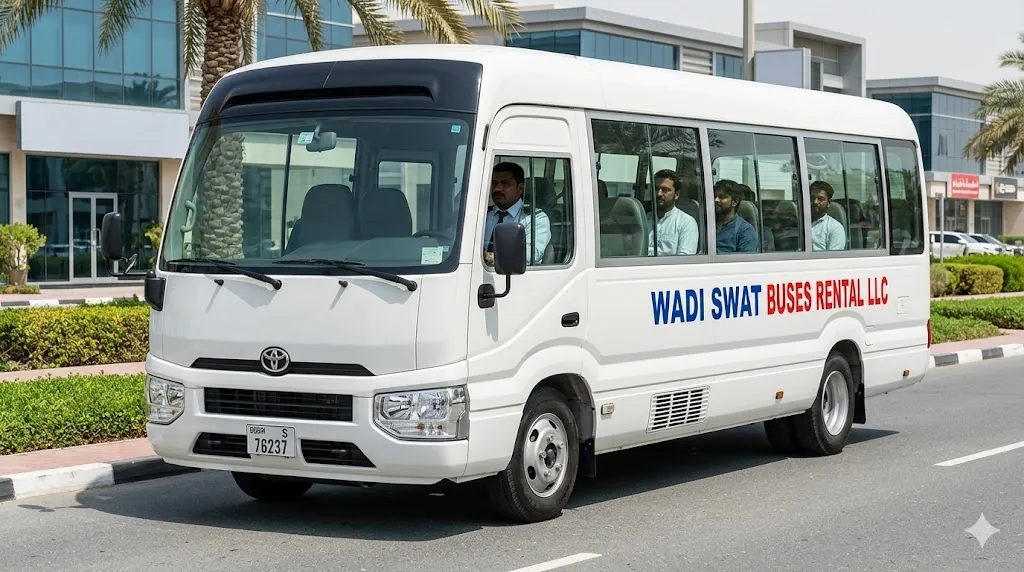
Vehicle and Cabin Images for Route Planning
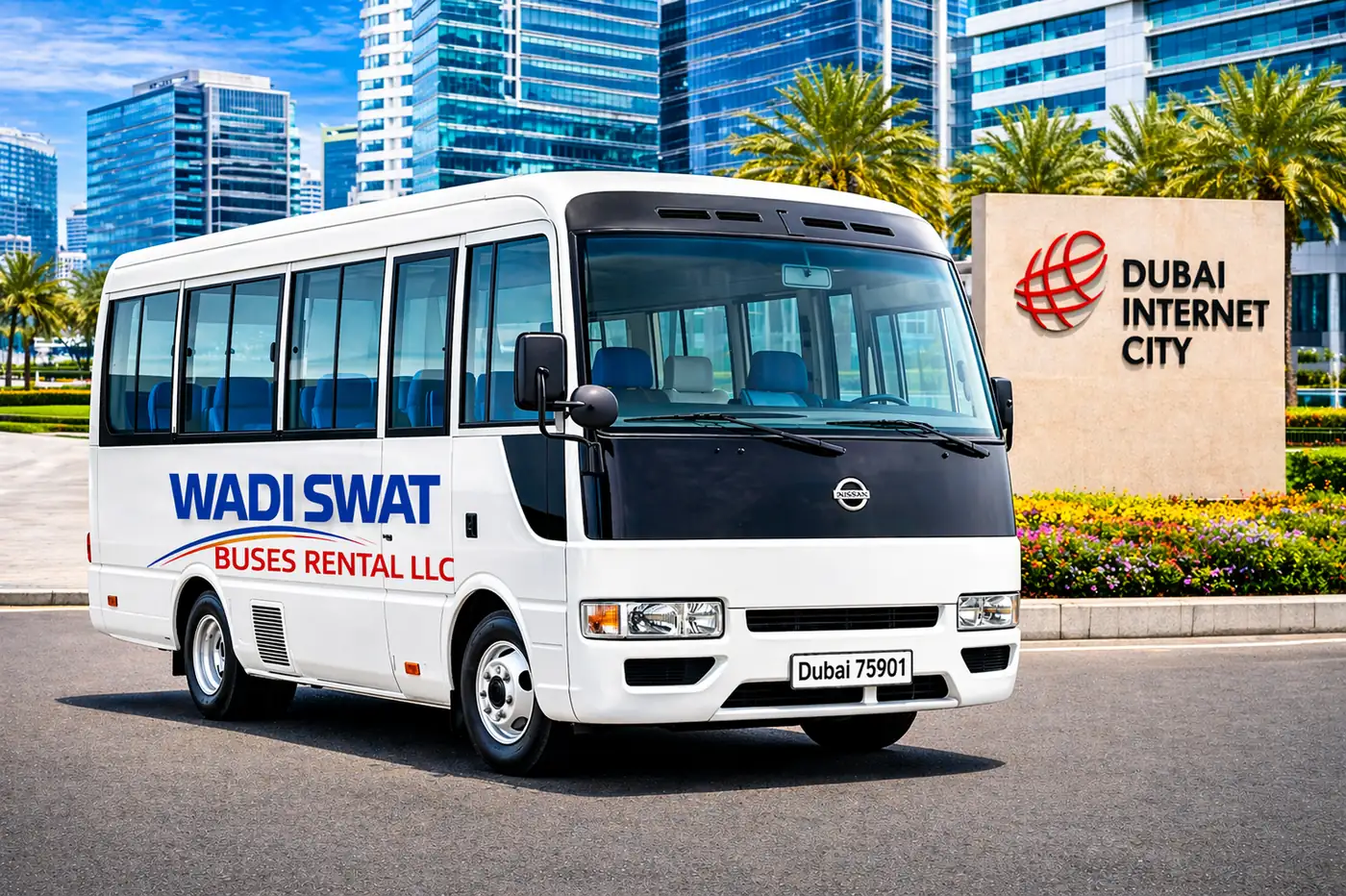
The images identify a vehicle class or page-specific route visual. They do not guarantee the exact dispatched vehicle or claim a landmark that the photograph does not prove. This becomes important because airport groups need terminal, luggage and waiting instructions.
Useful Next Pages for Planning Transport in Abu Dhabi
The selected service, fleet and local pages support island, airport and Mussafah decisions; each link answers a different next-step question.
Bus Rental
Use Bus Rental to review the related service, location, vehicle or planning guidance within the approved transport network.
Explore this pageBus Rental Al Barsha
Use Bus Rental Al Barsha to review the related service, location, vehicle or planning guidance within the approved transport network.
Review the details20-34 Seater Minibuses
Use 20-34 Seater Minibuses to review the related service, location, vehicle or planning guidance within the approved transport network.
Plan this servicePlaces
Use Places to review the related service, location, vehicle or planning guidance within the approved transport network.
Compare the optionsJbr
Use Jbr to review the related service, location, vehicle or planning guidance within the approved transport network.
Open the guidePassenger Transport Companies in Dubai
Use Passenger Transport Companies in Dubai to review the related service, location, vehicle or planning guidance within the approved transport network.
Explore this pageBus Rental Fujairah ↗
Use Bus Rental Fujairah ↗ to review the related service, location, vehicle or planning guidance within the approved transport network.
Review the detailsBus Rental Sharjah ↗
Use Bus Rental Sharjah ↗ to review the related service, location, vehicle or planning guidance within the approved transport network.
Plan this serviceBus Rental Hatta ↗
Use Bus Rental Hatta ↗ to review the related service, location, vehicle or planning guidance within the approved transport network.
Compare the optionsVan Rental Abu Dhabi ↗
Use Van Rental Abu Dhabi ↗ to review the related service, location, vehicle or planning guidance within the approved transport network.
Open the guide35 Seater Bus Rental Abu Dhabi ↗
Use 35 Seater Bus Rental Abu Dhabi ↗ to review the related service, location, vehicle or planning guidance within the approved transport network.
Explore this pagePassenger Transport Companies in Abu Dhabi ↗
Use Passenger Transport Companies in Abu Dhabi ↗ to review the related service, location, vehicle or planning guidance within the approved transport network.
Review the detailsMonthly Staff Transport Contract Guide ↗
Use Monthly Staff Transport Contract Guide ↗ to review the related service, location, vehicle or planning guidance within the approved transport network.
Plan this serviceThree Booking Mistakes That Cause Last-Minute Changes
Most last-minute changes come from incomplete information rather than the route itself. Operational planning must allow for the fact that Yas and Saadiyat events need staging and release times.
Choosing only from the advertised seat count
A seat label does not describe luggage space, aisle access, folding seats or the complete interior. Before confirmation, remember that tower and hotel entrances should be identified by map pin.
Leaving luggage and waiting out of the request
Airport bags, equipment and standby can change the practical vehicle and commercial duty. Local route planning is stronger when Al Ain or inter-emirate duties need every stop and return time.
Sending only a broad area name
Provide the exact building, terminal, gate, date, reporting time, stops and return in the first message. For this emirate, island-to-mainland timing can be longer than the map first suggests.
Final Details to Check Before Requesting Availability
Confirm passengers, luggage, exact pickup and destination, service date, reporting time, every stop, waiting or return, preferred vehicle class, access requirements and whether the duty is one-time or recurring. The route brief should also reflect that Mussafah and ICAD routes need exact gate and shift details.
6 Practical Bus Rental Questions
The answers below address island, airport and Mussafah decisions. The written quotation remains the reference for allocation, availability and included items.
What is Bus Rental Abu Dhabi best suited for?
It is best suited to corporate staff, project teams, airport groups, hotels and scheduled passenger movements. The final service should be matched to the passenger total, luggage, exact route, operating hours and access conditions rather than selected from a seat number alone.
Which vehicles can be used for Bus Rental Abu Dhabi?
The suitable category may be a van, minibus, coach or staff bus. Selection depends on passengers, luggage, comfort, route distance, boarding needs and access at every pickup and destination.
What information is required to quote Bus Rental Abu Dhabi?
Send the date, reporting time, service frequency, exact pickup, destination, every stop, passenger count, separate luggage details and whether the vehicle is required one way, for a return, on standby or on a recurring schedule. For Abu Dhabi, also state site gates, shift reporting times, parking, terminal access and any route-specific approvals.
What affects the price of Bus Rental Abu Dhabi?
Price is affected by vehicle class, distance, number of stops, total duty period, waiting, service frequency, season and availability. Fuel, tolls, parking, permits, extra mileage, overtime or additional trips should be stated separately in the written quotation.
Are permits, parking or access approvals needed for Bus Rental Abu Dhabi?
Requirements depend on the route, authority, site and vehicle. The customer should confirm site gates, shift reporting times, parking, terminal access and any route-specific approvals; the transport team can then identify which items are within its scope and which approvals must be arranged by the client or venue.
How are changes, delays or replacement vehicles handled for Bus Rental Abu Dhabi?
Changes should be reported before dispatch so the vehicle, route, timing and price can be reassessed. Breakdown escalation and replacement arrangements follow the written quotation or contract and remain subject to availability, access and equivalent operational suitability.
Send Your Abu Dhabi Route for a Written Quotation
Use the route builder to organise passengers, luggage, pickup, destination, date, reporting time, stops and return. The complete scope can then be checked for vehicle availability and commercial confirmation. This becomes important because airport groups need terminal, luggage and waiting instructions.