Factory shift mobility

Factory Worker Transport

Factory Worker Transport is planned around scheduled movement for production teams between accommodation, assembly points and factory gates. A reliable proposal starts with the passenger load, exact pickup and destination pins, shift timing, access conditions and commercial responsibilities. The objective is organised worker arrivals that support production continuity without unrealistic travel promises.

01Shift and route map02Peak capacity check03Gate and permit review04Written continuity scope
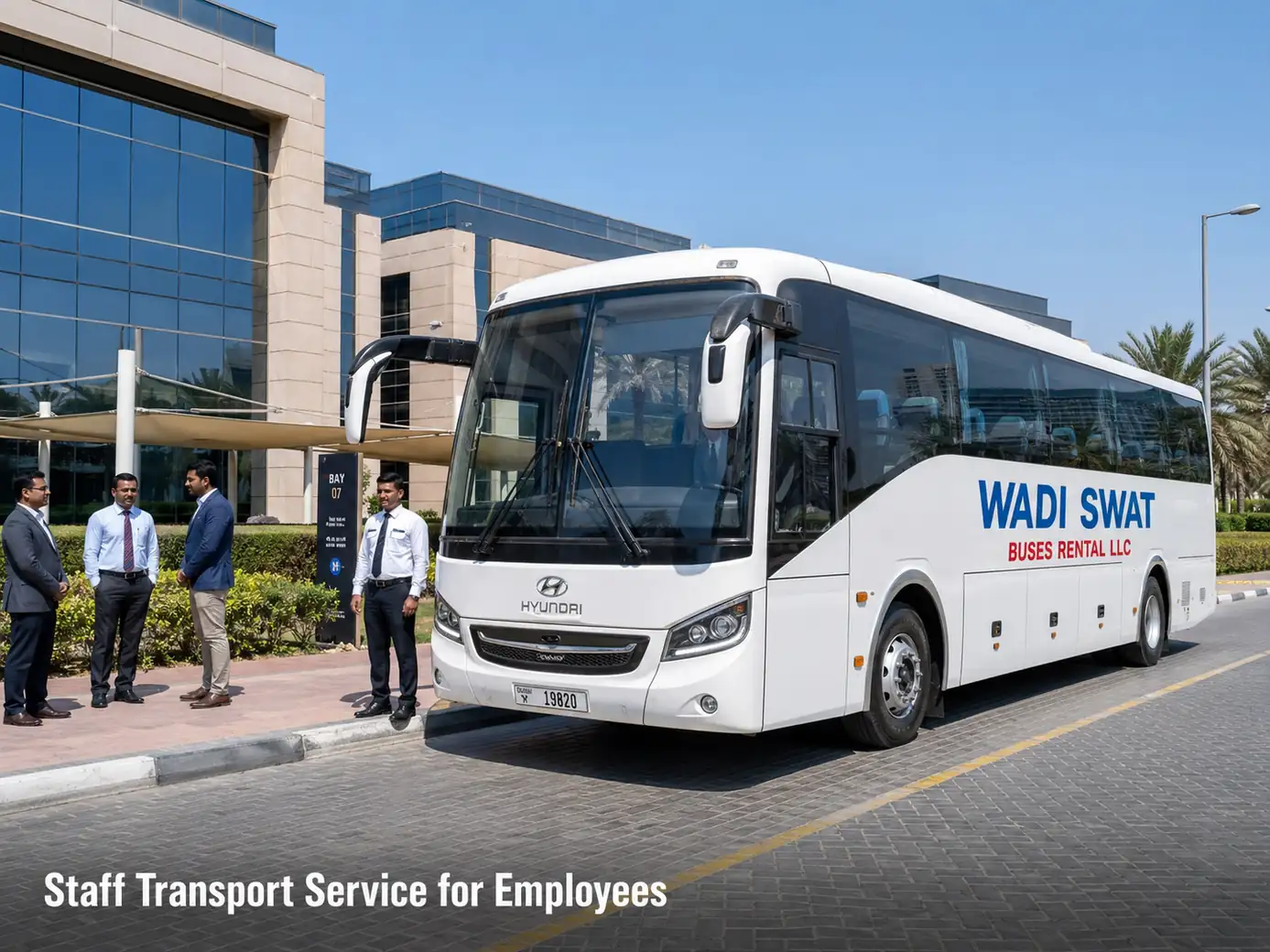
Factory Worker Transport workforce operation with a bus serving an organised work route
Factory Worker Transport: Scheduled movement for production teams between accommodation, assembly points and factory gates.
01Route map02Peak load03Access check04Continuity

Factory Worker Transport: Route and Service Scope

Factory Worker Transport should be designed as a controlled passenger operation. The scope combines scheduled movement for production teams between accommodation, assembly points and factory gates with a route pattern that can be checked, quoted and managed. This section establishes who uses the service, how the duty repeats and which location details must be confirmed before a vehicle is assigned.

1.1

Passenger, Shift and Site Requirements — Factory Worker Transport

The service brief for Factory Worker Transport should begin with the real passenger group and operating purpose. It is intended for manufacturing managers, HR teams, plant administrators and accommodation coordinators. The central requirement is scheduled movement for production teams between accommodation, assembly points and factory gates. A useful brief separates the normal operating day from exceptional conditions, because a route that works for a quiet day may fail during a shift peak or project mobilisation. The client should identify who authorises the movement, who confirms attendance and which reporting time the transport must protect. This creates a practical basis for vehicle, route and duty planning rather than starting with a preferred bus model.

Operational scope also needs boundaries. For Factory Worker Transport, the expected pattern is fixed reporting times tied to production shifts, with controlled pickup points and a defined return cycle. The written requirement should say whether the service is one-way or return, whether it repeats on weekends or public holidays, and how overtime or temporary transfers are communicated. The target outcome is organised worker arrivals that support production continuity without unrealistic travel promises. That outcome depends on verified information and shared responsibilities; it should not be presented as an unconditional guarantee.

Who travels, when and where — Factory Worker Transport

  • passenger group and authorised coordinator
  • Normal and peak operating pattern
  • Reporting time and return requirement
  • Weekend, holiday and overtime rules
  • Clear limits of the agreed scope
1.2

Pickup Points, Stops and Required Arrival — Factory Worker Transport

Pickup and arrival planning for Factory Worker Transport must convert location names into usable operating points. The route is shaped by fixed reporting times tied to production shifts, with controlled pickup points and a defined return cycle, while the main planning risk is that shift handovers create concentrated boarding demand while factory gates may enforce narrow arrival windows. Each stop should have an exact pin, a safe boarding position, a realistic boarding allowance and a named coordinator. Stops that look close on a map can sit on opposite traffic directions or require a long turnaround, so they should be ordered according to the actual road approach.

The destination must be equally specific. Access planning should cover factory gate permits, identity checks, waiting rules and safe turning space. A driver should not be expected to discover the correct gate during the first live duty. A route trial or documented access check is especially useful when the approach includes industrial traffic, temporary roads, security barriers or limited turning space. The final route sheet should record the approved approach, reporting deadline and fallback contact.

Route structure — Factory Worker Transport

  • Exact pickup pins and safe boarding points
  • Stop order based on road direction
  • Verified gate and destination contact
  • Boarding allowance and arrival margin
  • Alternate access instruction when approved

Vehicle Capacity and Duty Planning — Factory Worker Transport

Capacity and duty planning translate the passenger requirement into a workable vehicle operation. For Factory Worker Transport, planners must consider the busiest shift, overtime pattern and normal attendance variation, the approach to the site and the full driver window. A good decision balances seats, route access, comfort and continuity instead of selecting a bus from capacity alone.

Factory Worker Transport route planning for shifts, access and passenger coordination
Operational image selected for Factory Worker Transport from the approved SWAT image directory.
2.1

Vehicle Size, Seating and Access — Factory Worker Transport

vehicle selection for Factory Worker Transport starts with the maximum authorised passenger load, not the average. Capacity should be based on the busiest shift, overtime pattern and normal attendance variation. Seats, standing restrictions, luggage or tools, air-conditioning requirements, journey length and access geometry all influence the category. A van, minibus, staff bus or higher-capacity labour bus can only be considered after these facts are known. The quotation should describe a suitable category and capacity rather than guarantee a specific model before fleet allocation.

Access can make a theoretically suitable bus impractical. The planner should confirm factory gate permits, identity checks, waiting rules and safe turning space. The route should also allow safe boarding and alighting without forcing passengers into vehicle traffic. Where several shifts have different loads, a mixed fleet or separate duty can be more efficient than assigning one oversized vehicle throughout the day. The objective is operational fit, not the largest possible bus.

Best-fit selection — Factory Worker Transport

  • Peak passenger load by shift
  • Seats, tools, luggage and comfort needs
  • Turning, parking and gate geometry
  • vehicle category subject to allocation
  • Capacity margin for authorised changes
2.2

Driver Hours, Waiting and Continuity — Factory Worker Transport

Driver-duty feasibility is part of the transport design for Factory Worker Transport. The schedule must allow for pre-trip checks, travel to the first pickup, boarding, the passenger journey, waiting, the return movement and travel after the final drop. Split shifts and long gaps can occupy a vehicle and driver even when passengers are not moving. The commercial scope should therefore record the full duty window rather than only the minutes spent with passengers.

Continuity is strongest when there is a route controller who knows the production calendar, shutdowns and escalation process. The plan should identify which changes require advance approval and which can be managed within the existing route. Driver hours, rest requirements, access curfews and parking restrictions can limit last-minute additions. A workable schedule protects both punctual reporting and lawful, realistic operation.

Operational feasibility — Factory Worker Transport

  • Full driver duty window
  • Waiting and split-shift exposure
  • Rest, curfew and access constraints
  • Parking position between movements
  • Feasible return and additional-trip rules

Daily Operations and Service Control — Factory Worker Transport

Daily operations determine whether the written route remains dependable after launch. The control model for Factory Worker Transport needs a route controller who knows the production calendar, shutdowns and escalation process, current passenger information and a clear escalation process. Dispatch, the driver, the client coordinator and the destination contact should work from the same approved instruction.

3.1

Driver, Dispatch and Communication — Factory Worker Transport

Daily control for Factory Worker Transport depends on one clear communication chain. The supplier needs an authorised contact who can confirm attendance, route changes and site instructions, while the client needs a dispatch contact for delays, vehicle identification and escalation. Instructions passed informally through multiple passengers can conflict and should not replace the approved channel. The route register should show the current stops, timings, vehicle category and destination contact.

The most useful operating record is concise and current. It should reflect shift headcount, pickup pins, reporting deadline, gate contact and approved start date. A change log helps distinguish a permanent revision from a one-day exception. Where the route serves a controlled site, the security list and gate contact should be updated before the vehicle arrives. This reduces avoidable waiting and gives both parties a common reference when reviewing service performance.

Duty management — Factory Worker Transport

  • Single authorised communication chain
  • Current route and passenger register
  • vehicle and driver identification process
  • Destination contact and security list
  • Daily exception and change log
3.2

Changes, Delays and Replacement Support — Factory Worker Transport

changes and delays must be handled through a defined process rather than improvised promises. For Factory Worker Transport, the material risks include shift handovers create concentrated boarding demand while factory gates may enforce narrow arrival windows. The response may involve contacting the site, adjusting a pickup sequence, reviewing an alternate gate or arranging replacement support subject to the contract and operational availability. The responsible coordinator should communicate what changed, which passengers are affected and the revised instruction.

Replacement planning does not mean every disruption disappears immediately. It means responsibilities, escalation contacts and the intended continuity approach are written in advance. The contract should explain how breakdowns, road closures, absent passengers, overtime and additional trips are assessed. This supports a professional response without making unsupported guarantees about exact recovery time. For Factory Worker Transport, that continuity approach is anchored by a route controller who knows the production calendar, shutdowns and escalation process.

Escalation process — Factory Worker Transport

  • Delay and change escalation contacts
  • Road, gate and passenger disruption steps
  • Replacement scope subject to contract
  • Clear instruction for affected passengers
  • Recorded resolution and route update
Commercial clarityReview Jlt

Pricing, Permits and Contract Responsibilities — Factory Worker Transport

Commercial clarity protects both sides of Factory Worker Transport. The quotation should reflect distance, operating days, split duties, waiting, tolls, permits and vehicle quantity and identify which permits, parking, waiting and change responsibilities belong to each party. Unapproved prices or assumptions should not replace a route-based written scope.

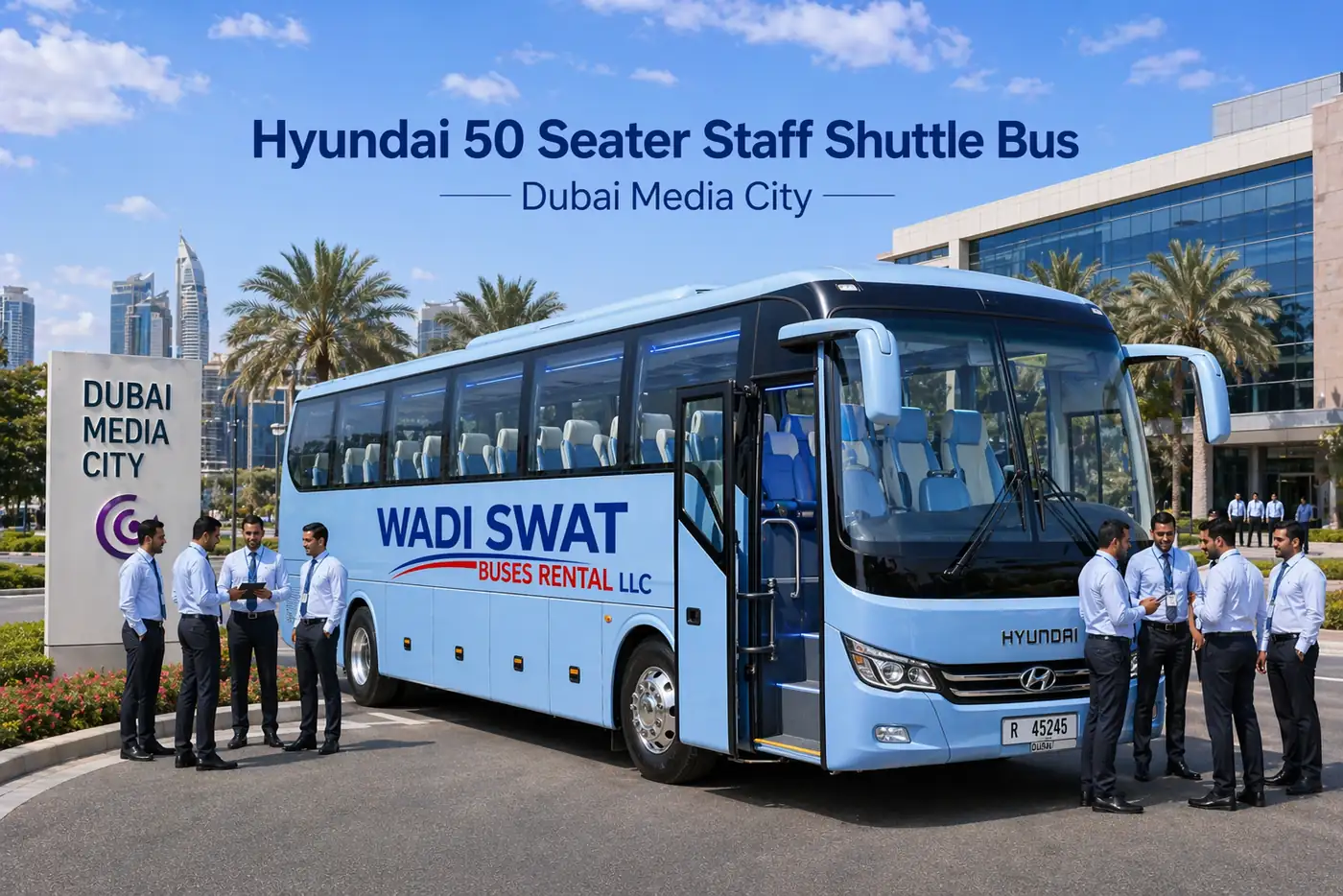
Suitable workforce bus category considered for Factory Worker Transport
Operational image selected for Factory Worker Transport from the approved SWAT image directory.
4.1

What Affects the Quotation — Factory Worker Transport

A written quotation for Factory Worker Transport should be built from the operating duty. Relevant commercial factors include distance, operating days, split duties, waiting, tolls, permits and vehicle quantity. Two routes with the same passenger count can have very different costs when one requires several stops, extended waiting, restricted access or a second driver duty. The quotation should therefore state the route assumptions, operating days, timetable, vehicle category, contract period and validity.

Prices should not be inferred from a generic seat rate when the service is recurring or operationally complex. The customer should review whether fuel, tolls, permits, parking, driver accommodation, additional mileage, overtime, extra trips and replacement terms are included or excluded. Any change in the approved scope should be assessed before it becomes part of the daily operation. The commercial review for Factory Worker Transport must reflect distance, operating days, split duties, waiting, tolls, permits and vehicle quantity.

Distance, days, hours and extras — Factory Worker Transport

  • route and timetable assumptions
  • Operating days and contract period
  • Included and excluded commercial items
  • Validity and change-control terms
  • No unsupported seat-rate assumption
4.2

Customer and Supplier Responsibilities — Factory Worker Transport

Responsibilities for Factory Worker Transport should be divided clearly between client and supplier. The client commonly controls passenger information, site permissions, parking access and timely change instructions; the supplier controls the agreed vehicle duty, driver assignment, maintenance and operational communication within the contract. Exact allocation must appear in the written quotation because access rules differ by authority, project and facility.

Permit and parking requirements are route-specific. The relevant checks are factory gate permits, identity checks, waiting rules and safe turning space. A site may need vehicle documents, driver details or worker lists before entry, and the lead time should be built into mobilisation. Neither party should assume that a general approval covers every gate or future location. Responsibilities should be confirmed again when the destination changes.

Permits, parking and access — Factory Worker Transport

  • client access and passenger responsibilities
  • supplier vehicle and driver responsibilities
  • Permit, parking and document ownership
  • Lead time before mobilisation
  • Reconfirmation when the site changes

Onboarding and Booking — Factory Worker Transport

Onboarding is the point where the proposed service becomes executable. For Factory Worker Transport, mobilisation requires shift headcount, pickup pins, reporting deadline, gate contact and approved start date. A controlled route review, document check and start confirmation reduce confusion during the first duties and provide a basis for later improvement.

5.1

Documents and Information Required — Factory Worker Transport

Onboarding for Factory Worker Transport should convert the commercial agreement into an executable route pack. The minimum information includes shift headcount, pickup pins, reporting deadline, gate contact and approved start date. The passenger total should be separated by shift and pickup point, and every location should be verified in the same map system used by the operations team. The service start should not rely on an informal message containing only a broad area name.

Documents and approvals depend on the site and contract. A useful mobilisation checklist covers the signed scope, purchase order or acceptance, contact matrix, route sheet, access documents, vehicle requirements and invoice procedure. When several departments are involved, one owner should confirm that all prerequisites are complete before deployment. The mobilisation owner for Factory Worker Transport should verify shift headcount, pickup pins, reporting deadline, gate contact and approved start date.

Contract setup — Factory Worker Transport

  • Signed scope or written acceptance
  • route sheet and contact matrix
  • Access and vehicle documentation
  • Invoice and purchase-order procedure
  • One owner for mobilisation readiness
5.2

Trial Route, Confirmation and Start Date — Factory Worker Transport

A controlled start for Factory Worker Transport can include a route review, access confirmation or trial movement before the first full passenger duty. The trial should test the actual approach, turning space, expected travel window and communication chain; it should not be used to promise a permanent journey time from one observation. Any issue found should be recorded and resolved in the route sheet.

Final confirmation should state the commencement date, pickup sequence, reporting target, authorised contacts and change cut-off. The success measure is organised worker arrivals that support production continuity without unrealistic travel promises. After launch, early duties should be reviewed for stop discipline, access delays and capacity accuracy so that evidence-based adjustments can be agreed without changing the service informally.

Deployment steps — Factory Worker Transport

  • route review or trial where useful
  • Verified approach and turning space
  • Approved start date and pickup sequence
  • Early-duty performance review
  • Evidence-based service adjustments

Related Labour, Fleet, Area and Trust Resources

These are the exact approved supporting routes for Factory Worker Transport. They help the buyer continue to the relevant service, vehicle category, operating area or governance information without turning this workforce page into an unrelated link directory.

01Labor Transport SharjahReview Labor Transport Sharjah where the requirement extends into this closely related service.0249-71 Seater Staff BusesCompare 49-71 Seater Staff Buses when passenger capacity, luggage, comfort or route access affects the vehicle choice.03Fleet Inspection StandardsUse Fleet Inspection Standards for the related requirements, planning checks or customer guidance.04JltReview Jlt for connected coverage, pickup access or route planning.05Camp to Site Labor TransportOpen this approved planning page for a related service, vehicle, area or trust requirement.06Labor Transport MusaffahOpen this approved planning page for a related service, vehicle, area or trust requirement.07Labor Transport SajaaOpen this approved planning page for a related service, vehicle, area or trust requirement.08Labor Transport SonapurOpen this approved planning page for a related service, vehicle, area or trust requirement.0950-67 Seater Labour AC BusesOpen this approved planning page for a related service, vehicle, area or trust requirement.1080-84 Seater Labour Non AC BusesOpen this approved planning page for a related service, vehicle, area or trust requirement.11Insurance CoverageOpen this approved planning page for a related service, vehicle, area or trust requirement.12Safety StandardsOpen this approved planning page for a related service, vehicle, area or trust requirement.13Labour TransportOpen this approved planning page for a related service, vehicle, area or trust requirement.14ServicesOpen this approved planning page for a related service, vehicle, area or trust requirement.

Questions to Confirm Before Booking

These answers apply to Factory Worker Transport and remain subject to the approved route, site rules and written quotation.

01What is Factory Worker Transport best suited for?

Factory Worker Transport is best suited to scheduled movement for production teams between accommodation, assembly points and factory gates. It is relevant to manufacturing managers, HR teams, plant administrators and accommodation coordinators when passengers can follow an agreed timetable and use controlled pickup points. The brief should state the normal and peak pattern, reporting deadline, destination access and return requirement. It is less effective when locations, passenger counts or duties remain undefined. Suitability is confirmed after the route, access and operating window are reviewed.

02Which vehicles can be used for Factory Worker Transport?

vehicle category depends on the busiest shift, overtime pattern and normal attendance variation, together with journey length, tools or luggage, comfort needs and access geometry. A van, minibus, staff bus or labour bus may be considered, but the written quotation should describe the approved category and capacity rather than promise a specific model before allocation. The site approach and safe boarding position must also suit the selected vehicle.

03What information is required to quote Factory Worker Transport?

To prepare a quotation, provide shift headcount, pickup pins, reporting deadline, gate contact and approved start date. Also confirm operating days, return pattern, waiting, overtime, contract duration, permit responsibility and any special passenger or site conditions. Exact map pins are more useful than broad area names. Complete information allows the supplier to review route feasibility, driver duty, vehicle capacity and commercial inclusions together.

04What affects the price of Factory Worker Transport?

The main cost factors are distance, operating days, split duties, waiting, tolls, permits and vehicle quantity. Price can also change with additional stops, long waiting, restricted access, extra trips, driver accommodation, parking or a requirement for standby support. The written quotation should show assumptions, inclusions, exclusions, validity and the method for pricing later changes. No price should be treated as final until the operating scope is confirmed.

05Are permits, parking or access approvals needed for Factory Worker Transport?

Permits, parking and access approvals depend on the authority, facility and route. The relevant checks for this requirement include factory gate permits, identity checks, waiting rules and safe turning space. The client and supplier should agree who supplies worker lists, vehicle documents, driver details, passes and parking approvals. Lead times should be completed before mobilisation, and the checks should be repeated when the gate or destination changes.

06How are changes, delays or replacement vehicles handled for Factory Worker Transport?

changes are managed through a route controller who knows the production calendar, shutdowns and escalation process. The coordinator should identify the affected passengers, new instruction and required timing. Delays, road closures, absent passengers, overtime and breakdowns are assessed against the agreed escalation and replacement terms. Replacement support remains subject to the contract and operational conditions; the priority is clear communication, safe continuity and a documented route update.

Ready for route review

Turn Factory Worker Transport Into a Clear Operating Scope

Send the passenger count, exact pins, shifts, access notes and contract period. The next step is a written review of scheduled movement for production teams between accommodation, assembly points and factory gates—not an unsupported instant promise.

Continue to an Approved Planning Page
Exact route and shift briefSuitable capacity reviewAccess and responsibility checkWritten commercial scope